Fitness & Strength Training
Read more →I'm 16 and Play Football: Can I Start Weight Training?
An under-17 football player asks whether he can start lifting weights. A straight answer on safety, speed, where to begin and how to fit it into the week.
Articles on training, tactics, data science and team management for football and futsal, written for amateur and youth coaches. Filter by sport or topic below to find what you need.
An under-17 football player asks whether he can start lifting weights. A straight answer on safety, speed, where to begin and how to fit it into the week.
A futsal coach recalls the night his team was relegated, what he said and shouldn't have, and what he changed in the weeks after so he didn't lose the group.
Kilometres per match is football's most quoted stat and the one that says least about effort. Why it misleads managers and what you should measure instead.
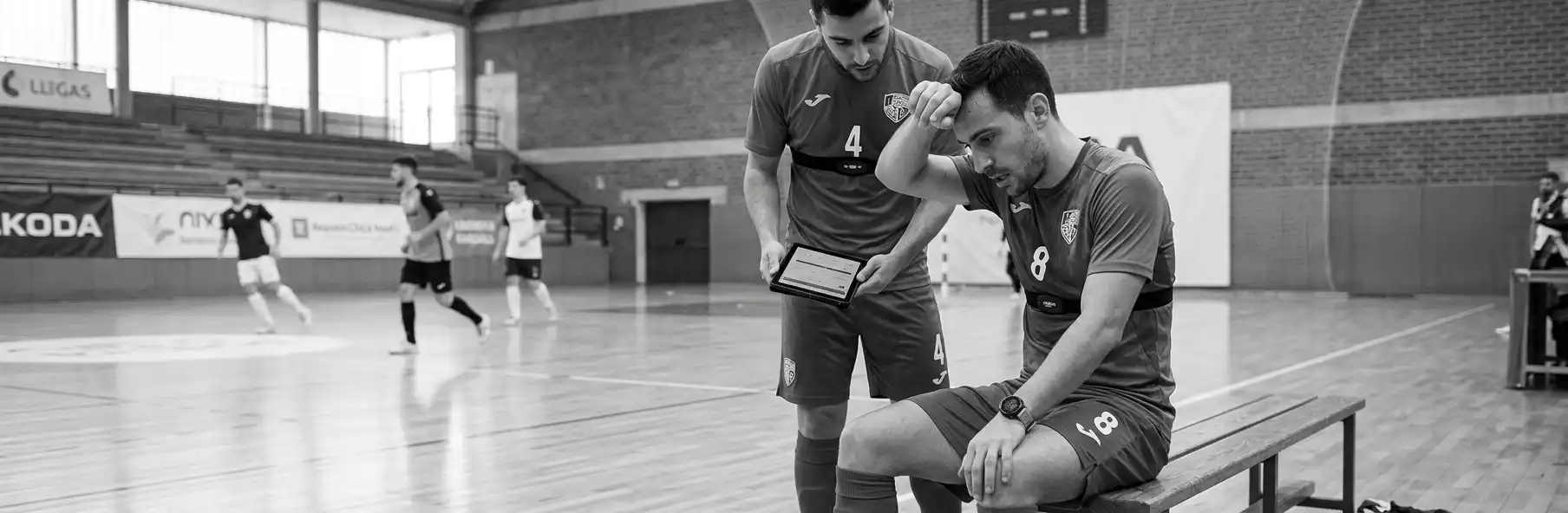
How to use heart rate straps in futsal: find each player's real max, read recovery on the bench, check small-sided games and understand the limits of the data.
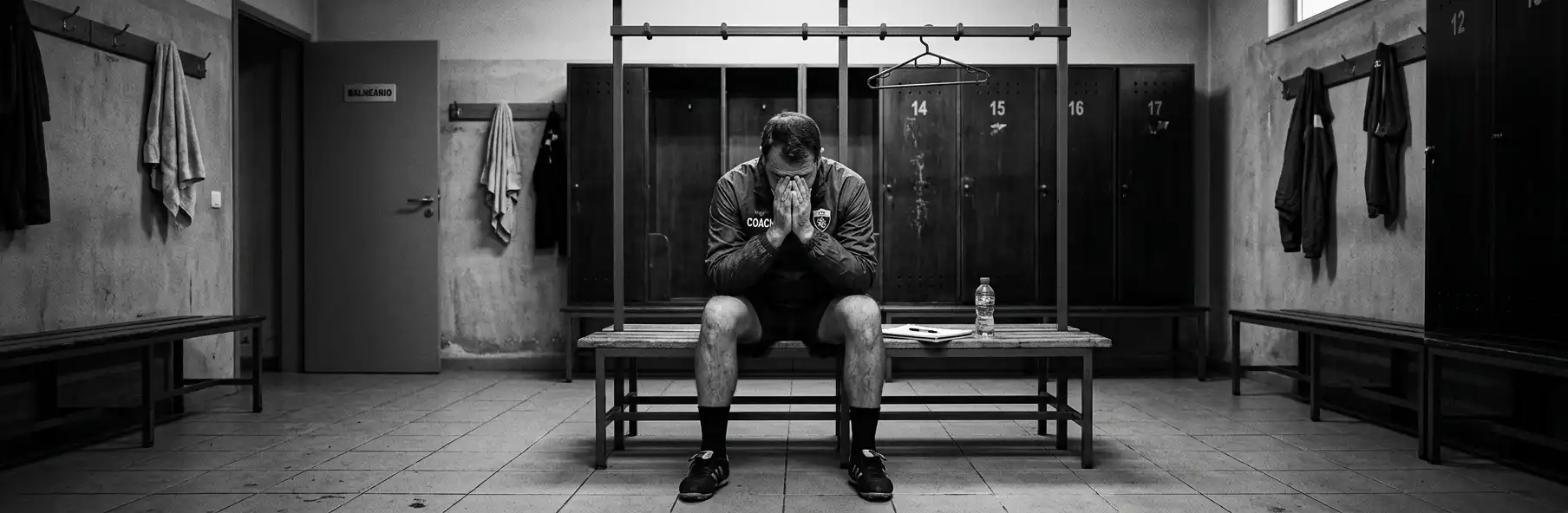
A non-league football manager recalls the half-time talk where he shouted, blamed players and lost the group. What went wrong and the 10-minute routine he uses.

In amateur futsal, two or three gym sessions a week usually take more than they give. Why one well-built session is enough in season, and the exceptions.
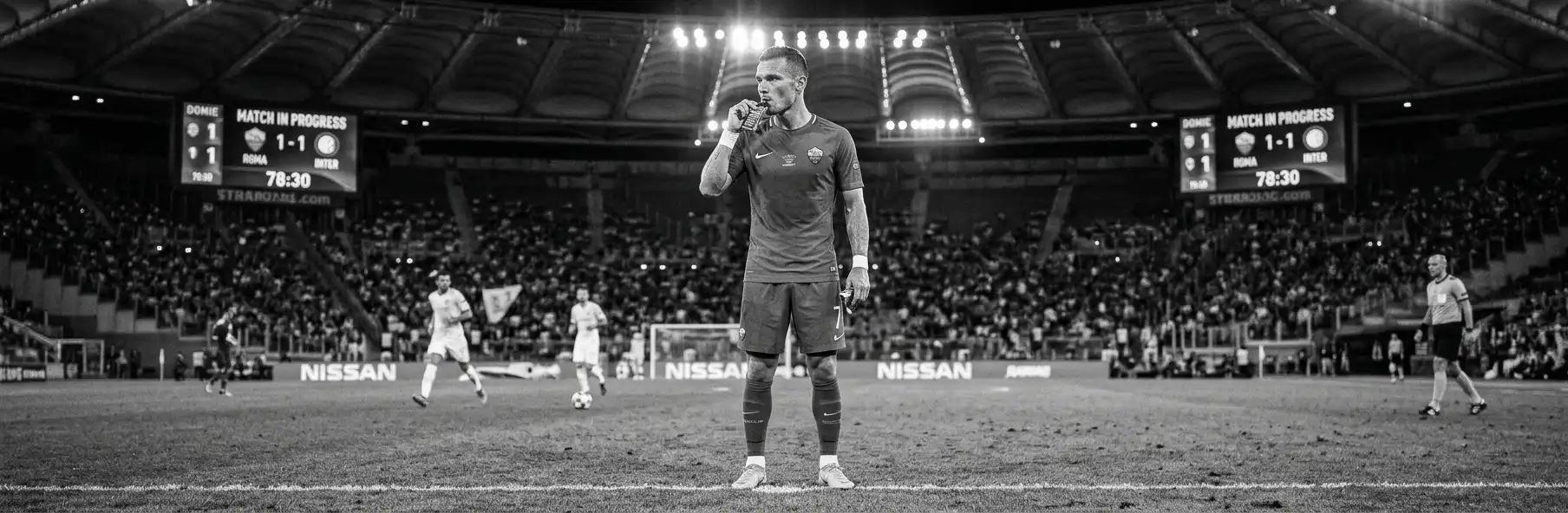
How much caffeine to take before a football match, when to take it and what it costs your sleep. Doses per kilo, evening kick-offs and who should avoid it.
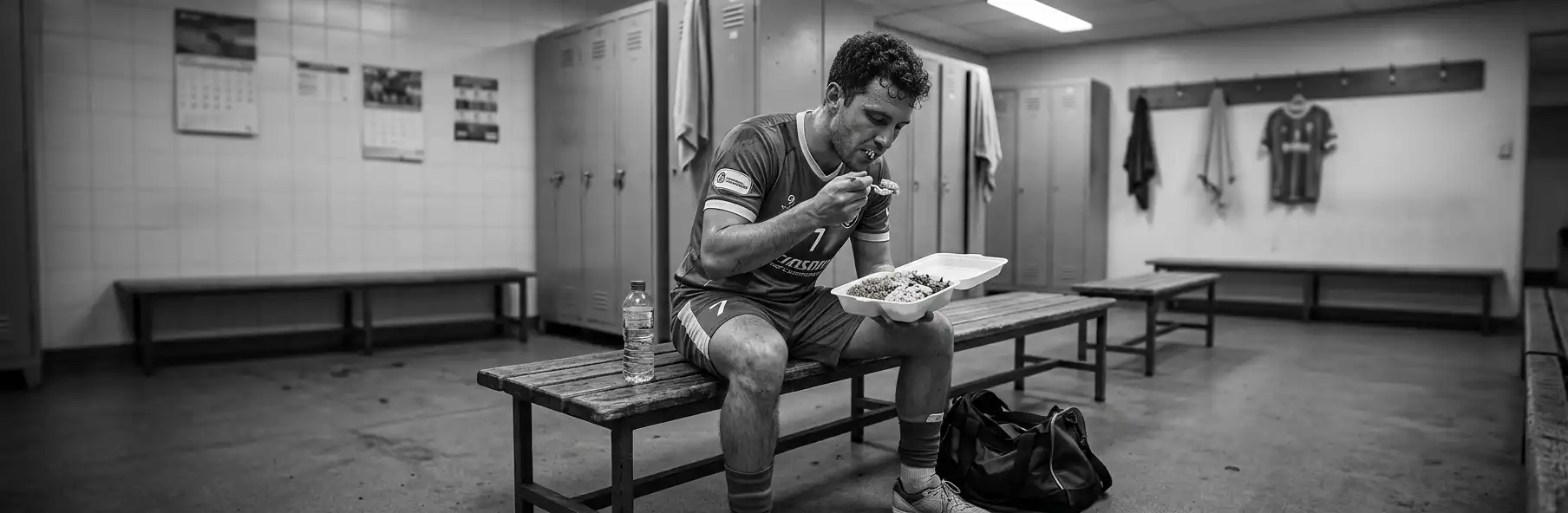
Futsal matches that finish at 10pm push dinner late. What to eat in the changing room and at home to recover without wrecking sleep, and the post-match pint.
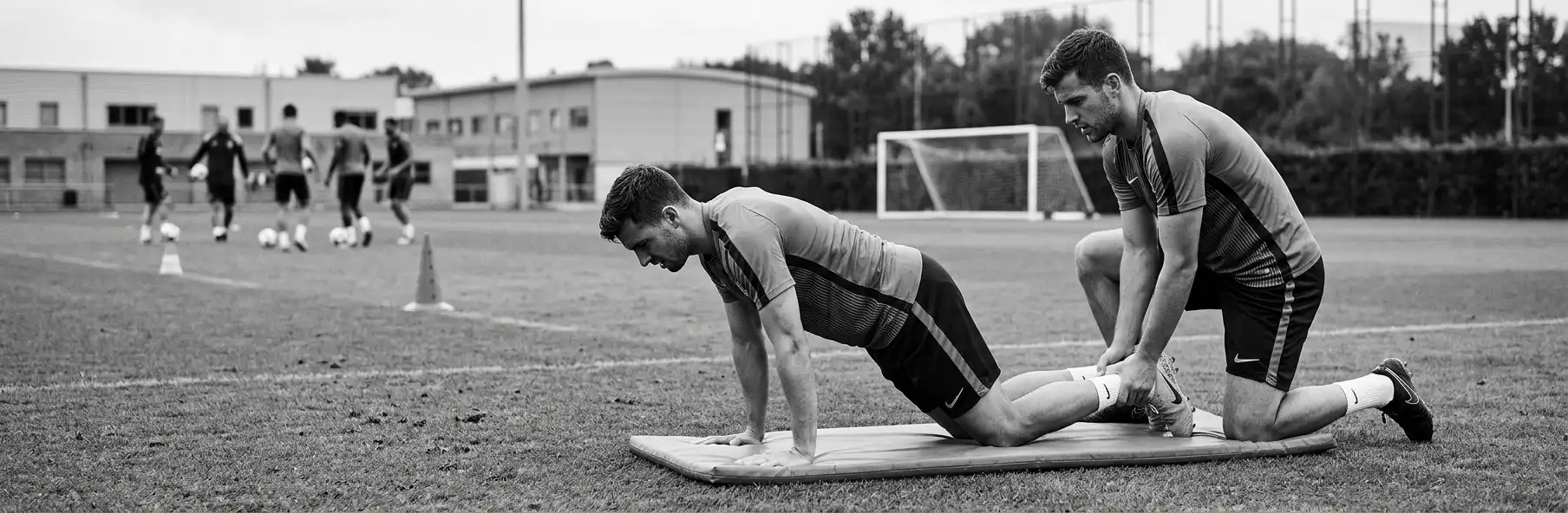
The Nordic hamstring curl cuts football injuries, yet squads drop it because of the soreness. A 10-week protocol and where it fits in the weekly microcycle.
Groin pain is one of the most stubborn injuries in futsal. Why indoor courts punish the adductors, a 5-second test to spot it and the Copenhagen protocol.
Weekend futsal tournaments fill the whole season for many families. What they add to development, what they take away, and how to choose the ones worth doing.
Everyone tells you to bench the undisciplined talent to set an example in football. In most cases, it costs you more than the indiscipline did.
A bigger club has invited your child to play football. Before you say yes, the criteria that separate a good move from an emotional decision.
A mum asked me whether to worry about her son, a futsal goalkeeper who concedes a lot of goals. The answer and how to talk about it at home.
A dad asked me whether to make his son finish the football season or let him stop now. The honest answer and the questions to ask before you decide.
Your level drops a minute into your futsal shift and the court seems to grow. Why it happens and what to train to last the intensity.
Cramp in the last fifteen minutes of a football match is rarely just a lack of water. What actually triggers it and the week's plan to reduce it.
Everyone installs the flying goalkeeper in youth futsal because the elite uses it. In most age groups it's taught too soon and hides more than it solves.
I switched line mid-season in futsal and in the first session I was always off the beat. A first-person diary of the two weeks it took to adapt.
Seven games without scoring, my place on the line and my head heavier than my legs. A first-person diary of a goal drought in youth football.
Every grassroots manager wants to install gegenpressing after watching Klopp's Liverpool. Most shouldn't. Why the counter-press fails at amateur and semi-pro level.
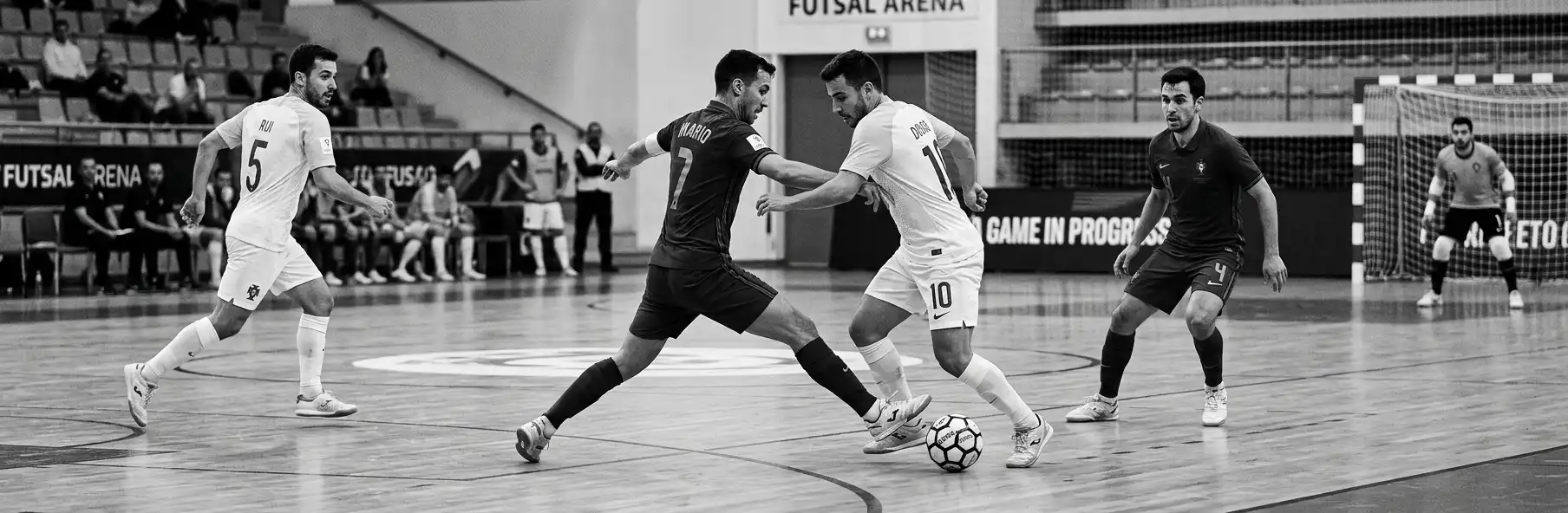
High press in futsal is the most shared coaching tactic on social media. It's also the most badly applied by amateur teams. When the risk of using it clearly outweighs the reward.
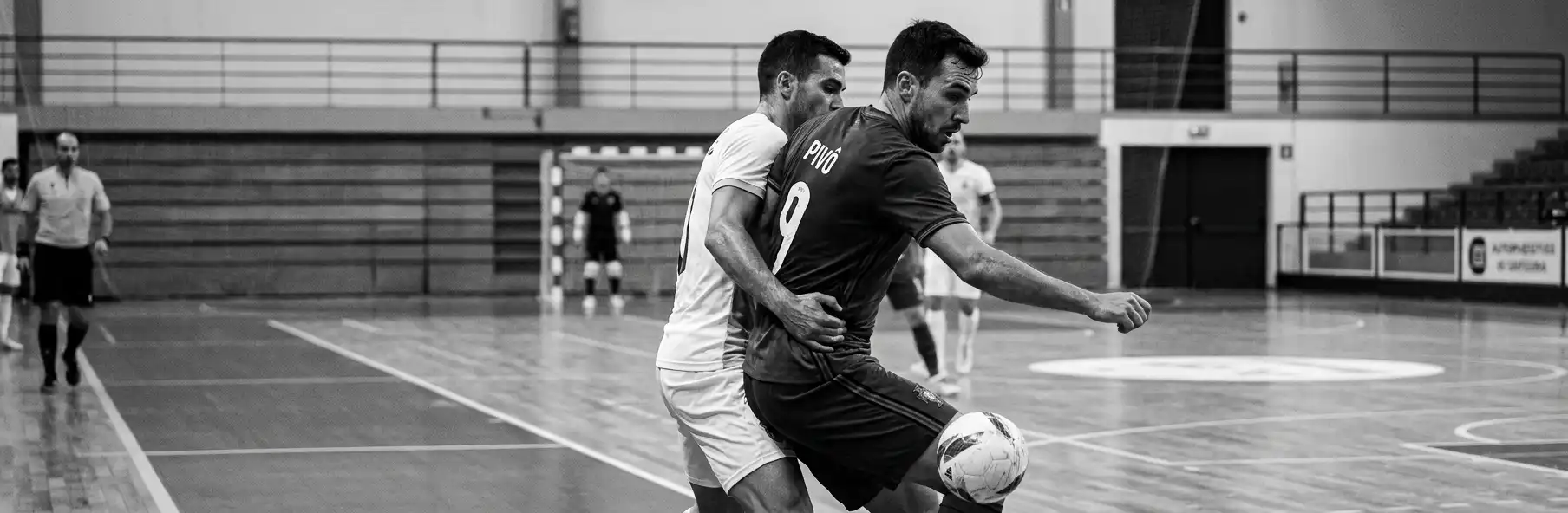
I got this question from a young futsal pivot: 'I always feel hunted down, how do I cope with constant marking without losing my patience?' Here's what I told him.
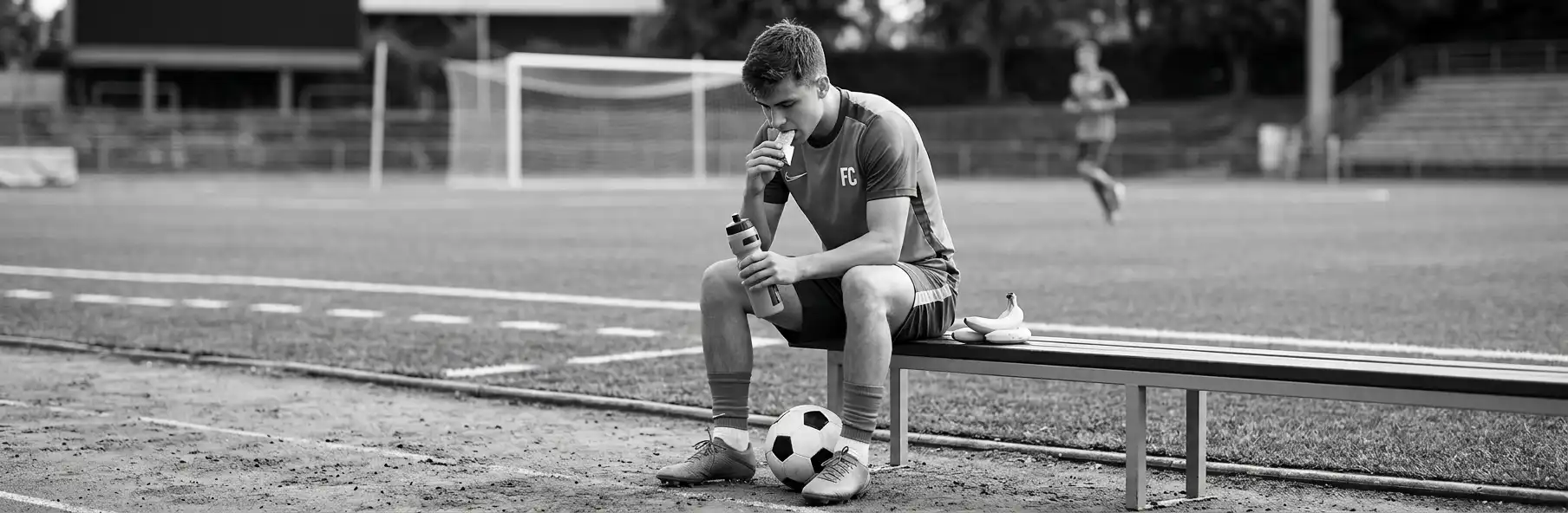
What you eat before a football training session doesn't serve the same purpose as what you eat after. A practical guide for young players on what to eat when, and why.
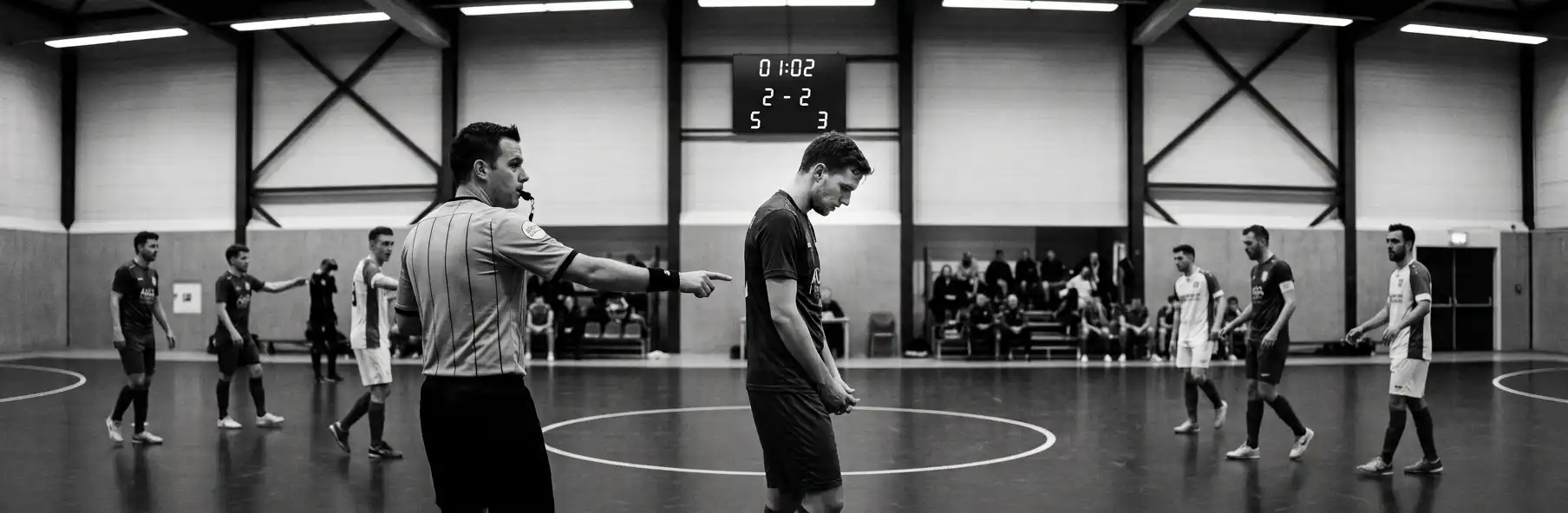
Saturday, 9:12pm, score 2-2, one minute left. A first-person diary of a futsal player who conceded the team's sixth foul at the worst possible moment.
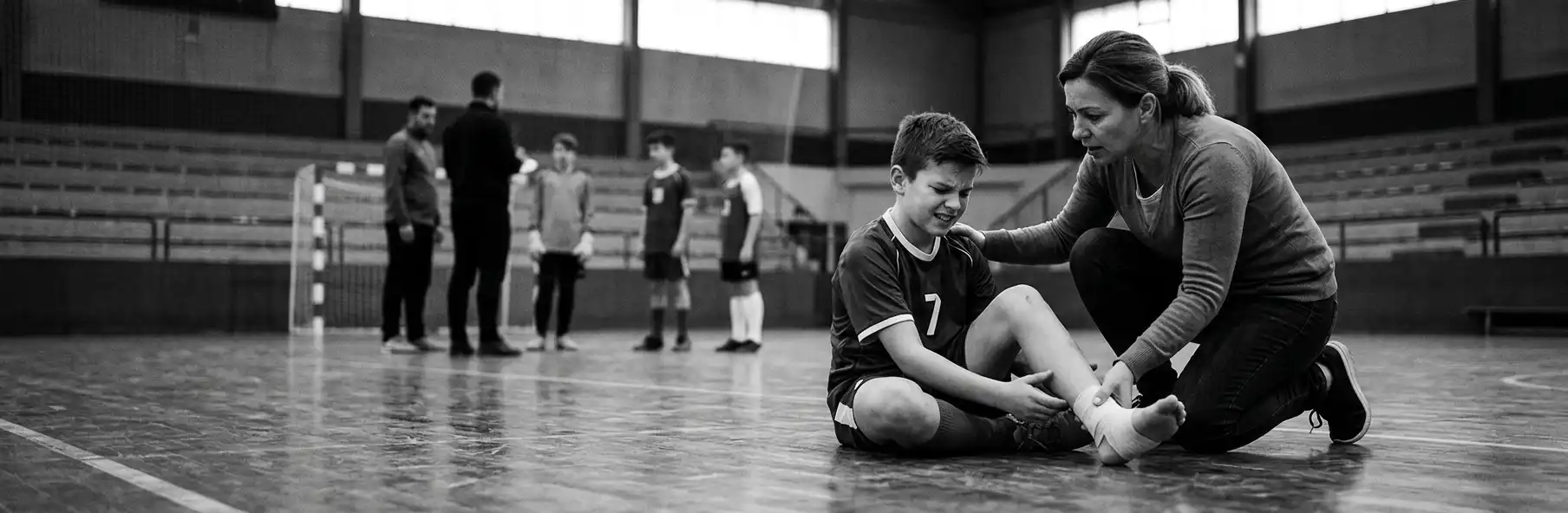
The ankle is the most common injury in futsal, precisely because of the hard court and constant changes of direction. A guide for parents on warning signs and when to act.
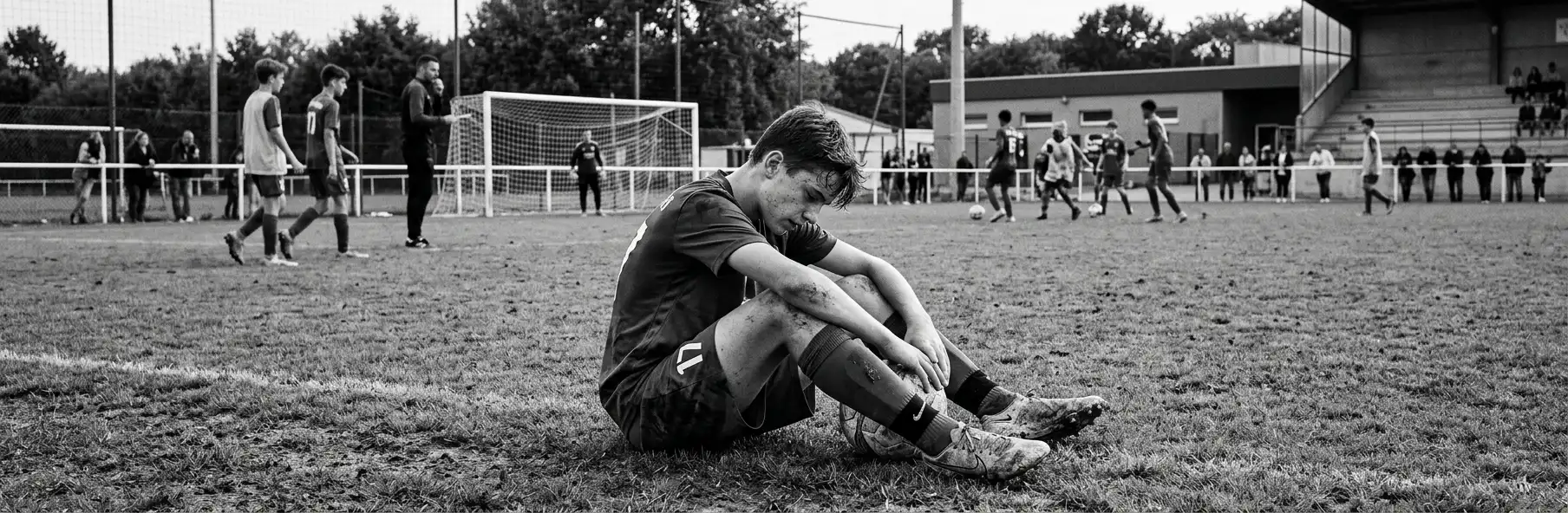
Tuesday, 6:30pm, borrowed pitch, fifteen lads fighting for three spots. A first-person diary of my first football trial: nerves, mistakes, and what I learned.
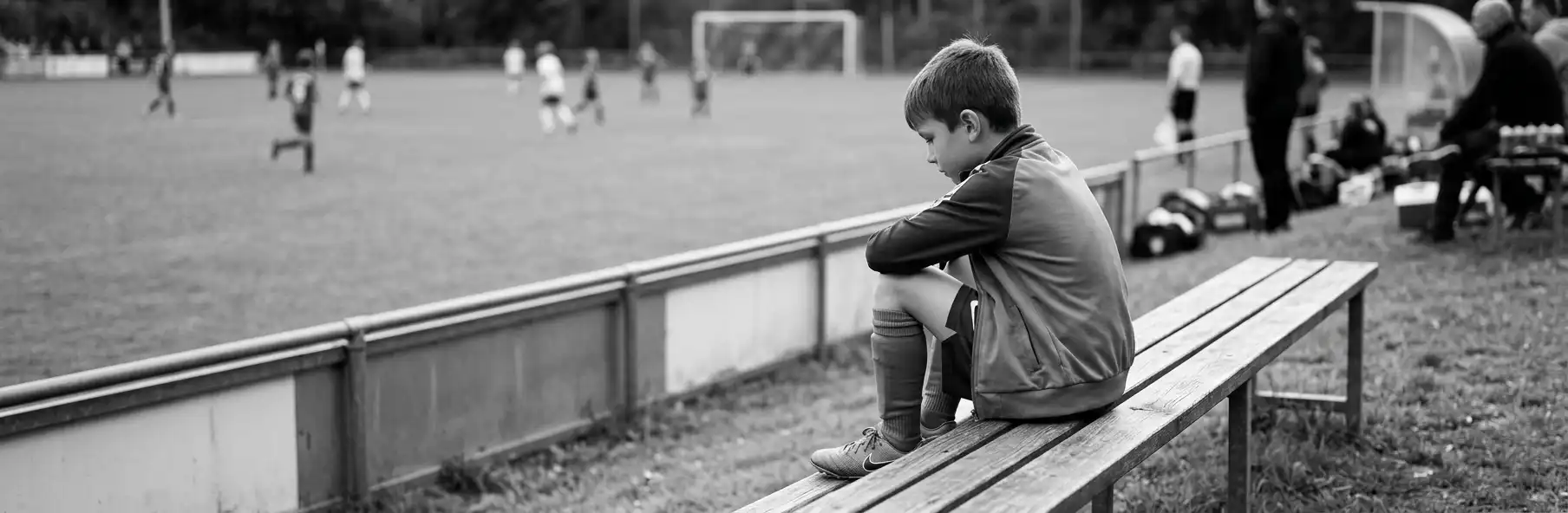
Watching your child sit on the bench hurts. But it's not always unfair: sometimes it's the best decision for their development. A guide for grassroots football parents.
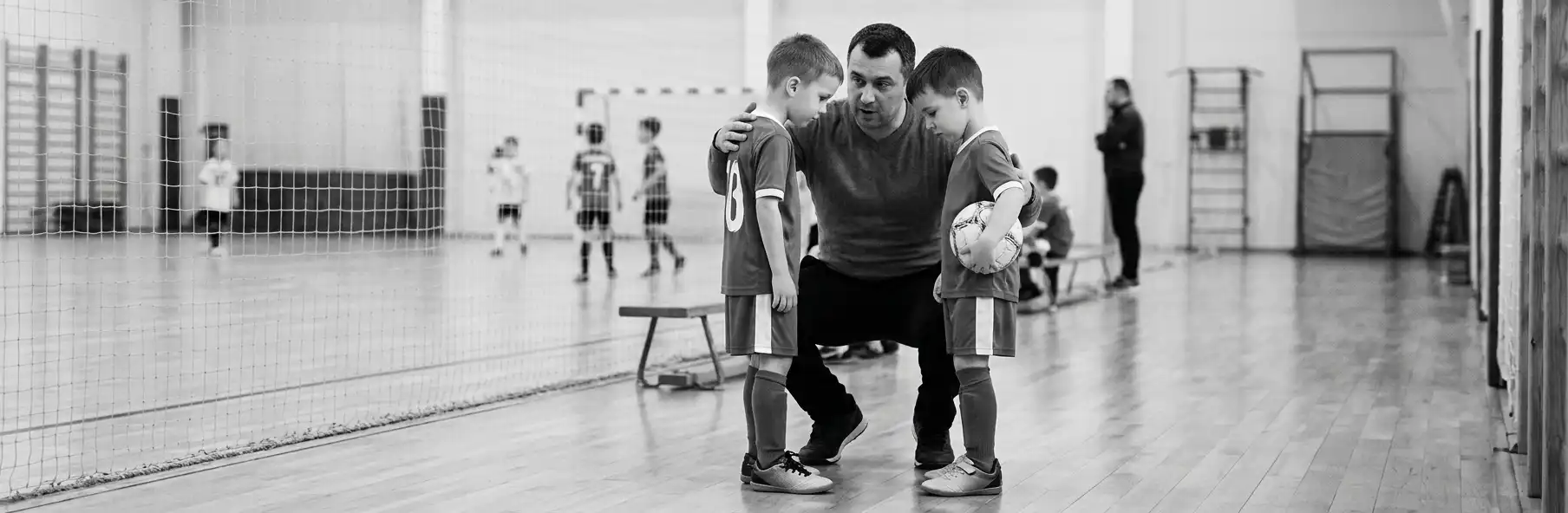
A parent asked me why the coach moved his son from winger to defender in futsal. The answer, and what's actually behind this kind of decision.
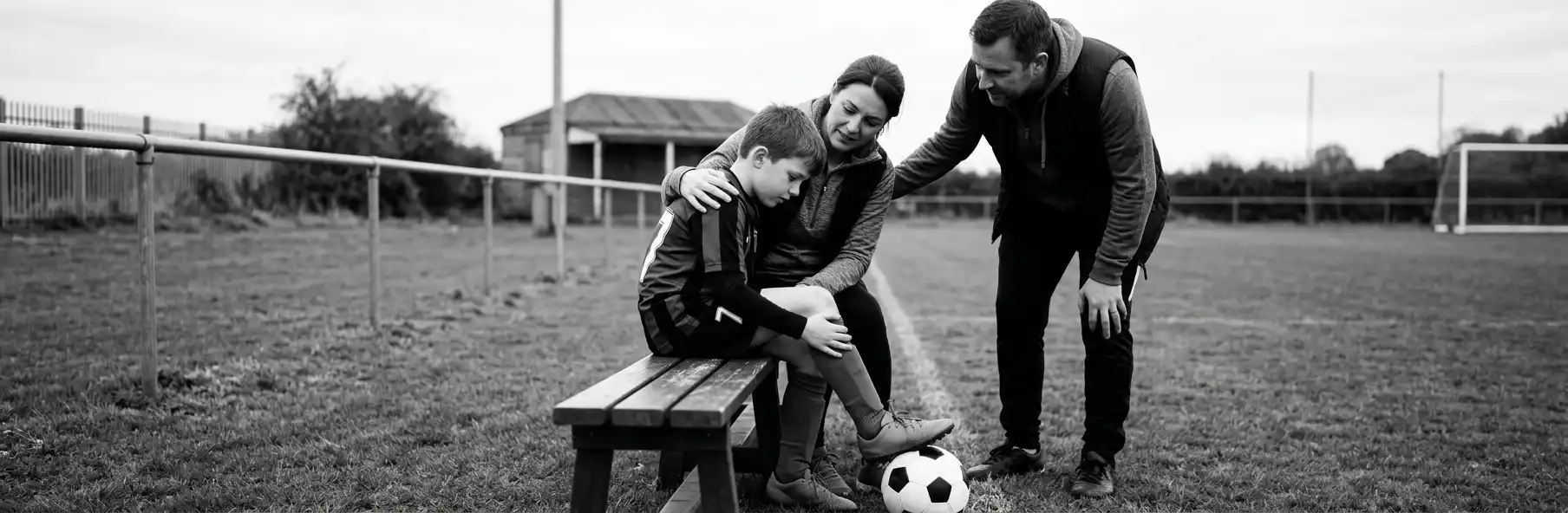
A mum asked me if her son's tiredness after football training was normal. Here's the honest answer, and the signs that separate healthy fatigue from overload.
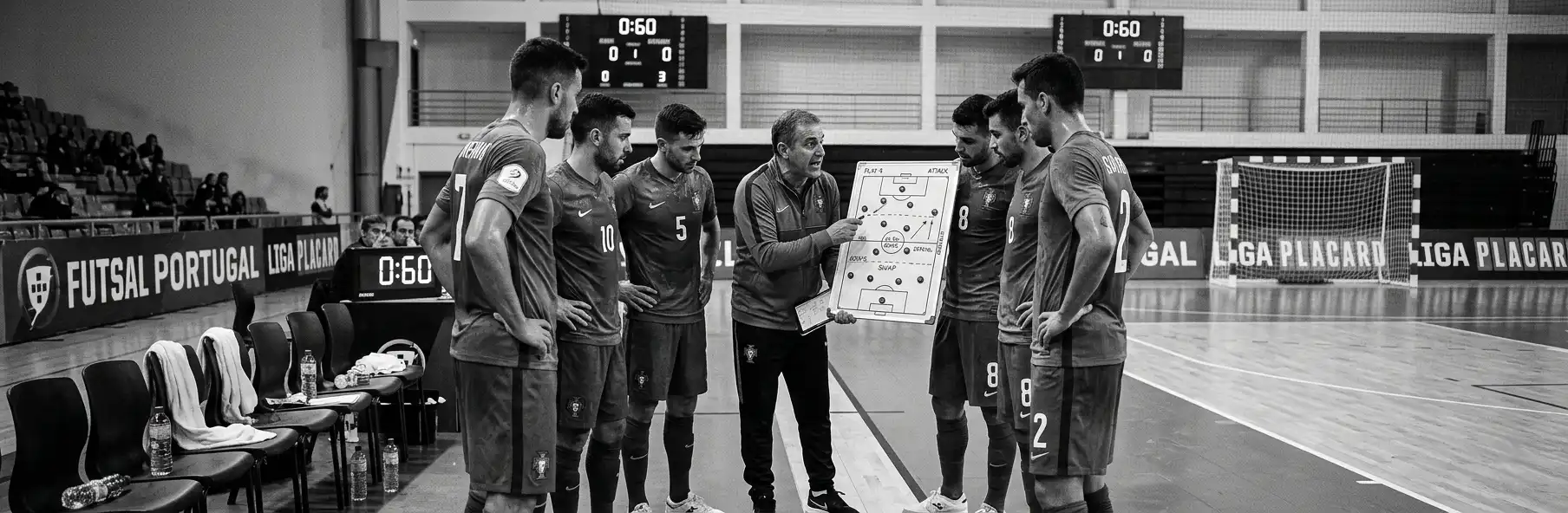
How to make the most of a futsal timeout: structure for the 60 seconds, a single message, and an exit routine to turn the stoppage into a real change in the match.
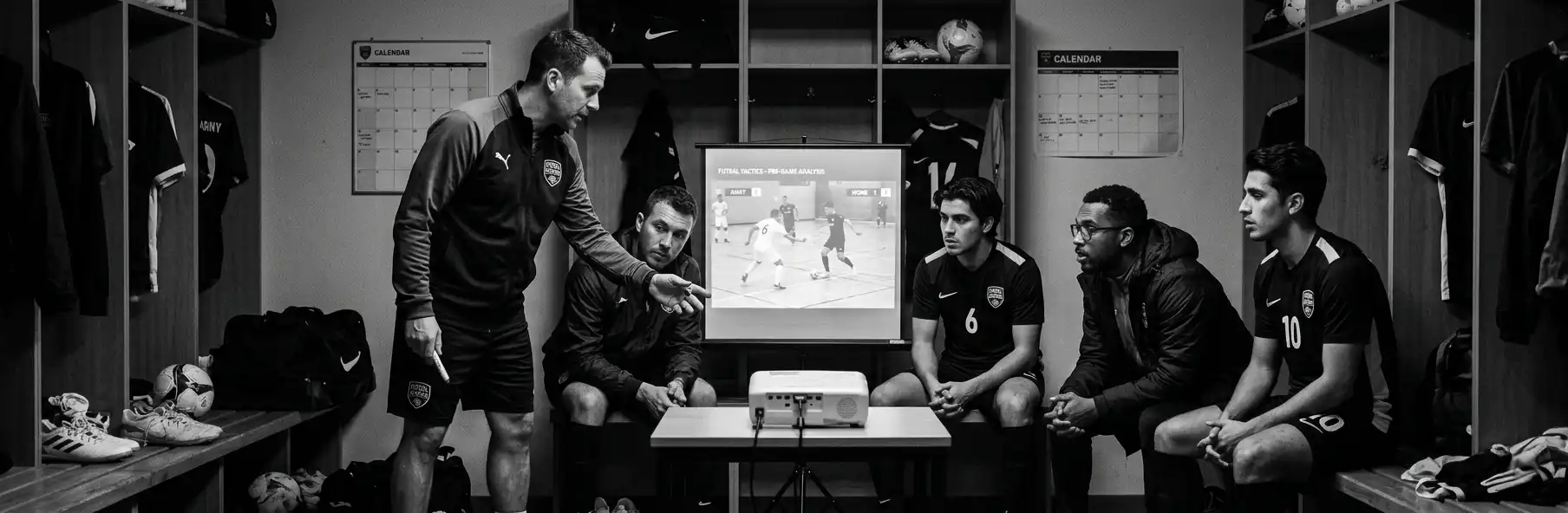
How to structure the pre-match video meeting in futsal: 3 key messages, short clips, and 12 minutes to reinforce the plan without overloading the team.
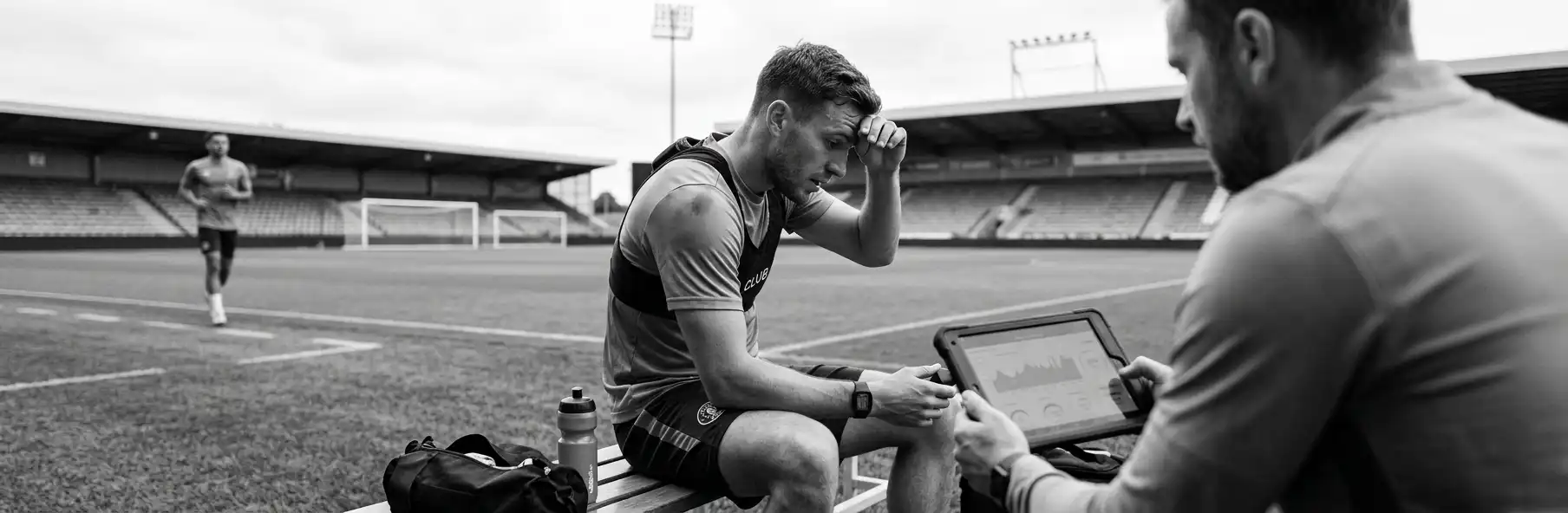
How to combine GPS, RPE and match data for load monitoring in elite football, to manage weeks with multiple fixtures without raising injury risk.
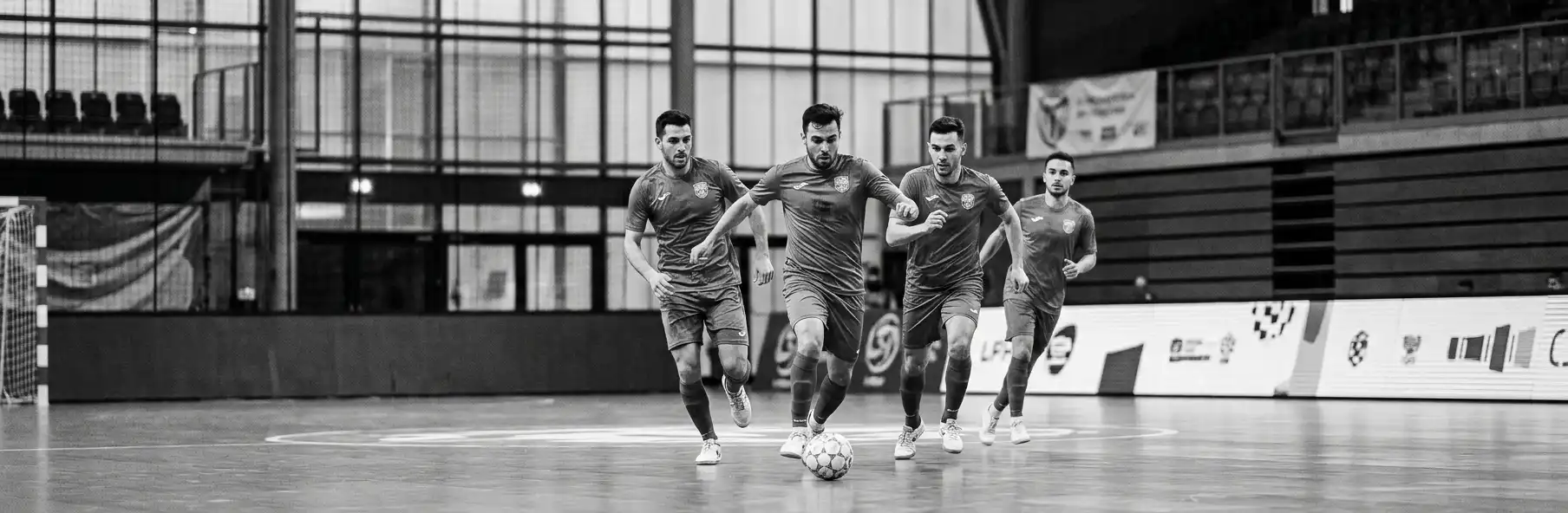
How to combine RPE and quartet-level stats for load monitoring in elite futsal, to manage intense rotations without raising injury risk.
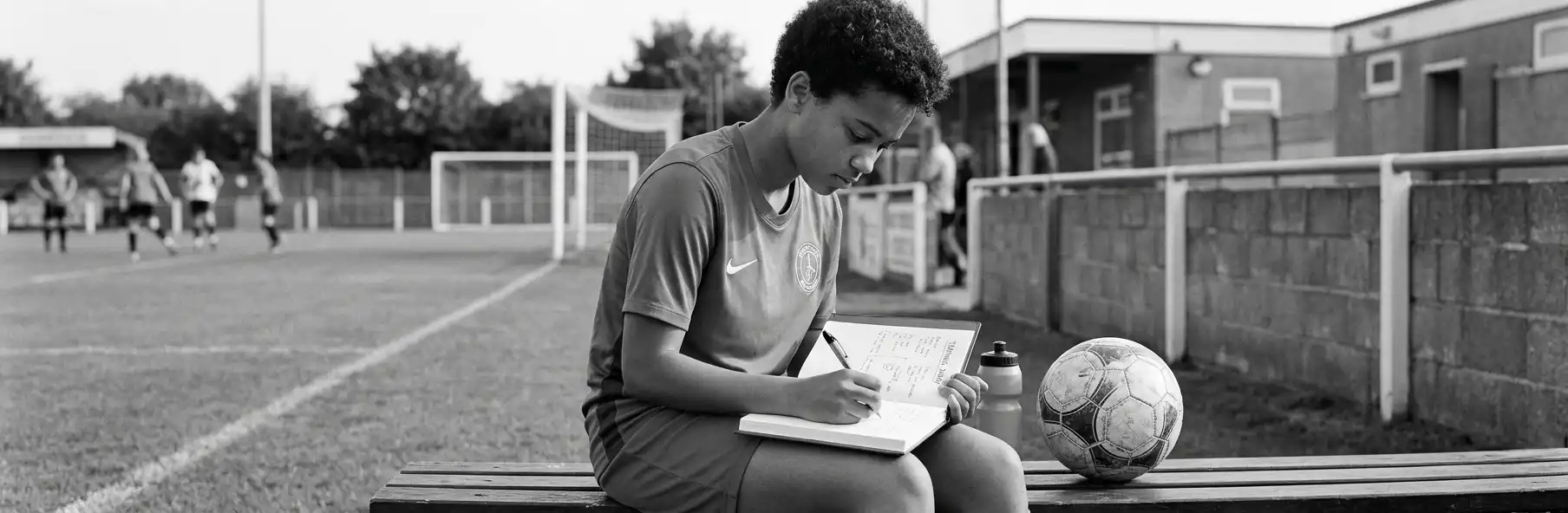
A guide for young football players: how to keep a simple training journal to track your technical and physical progress, session by session.
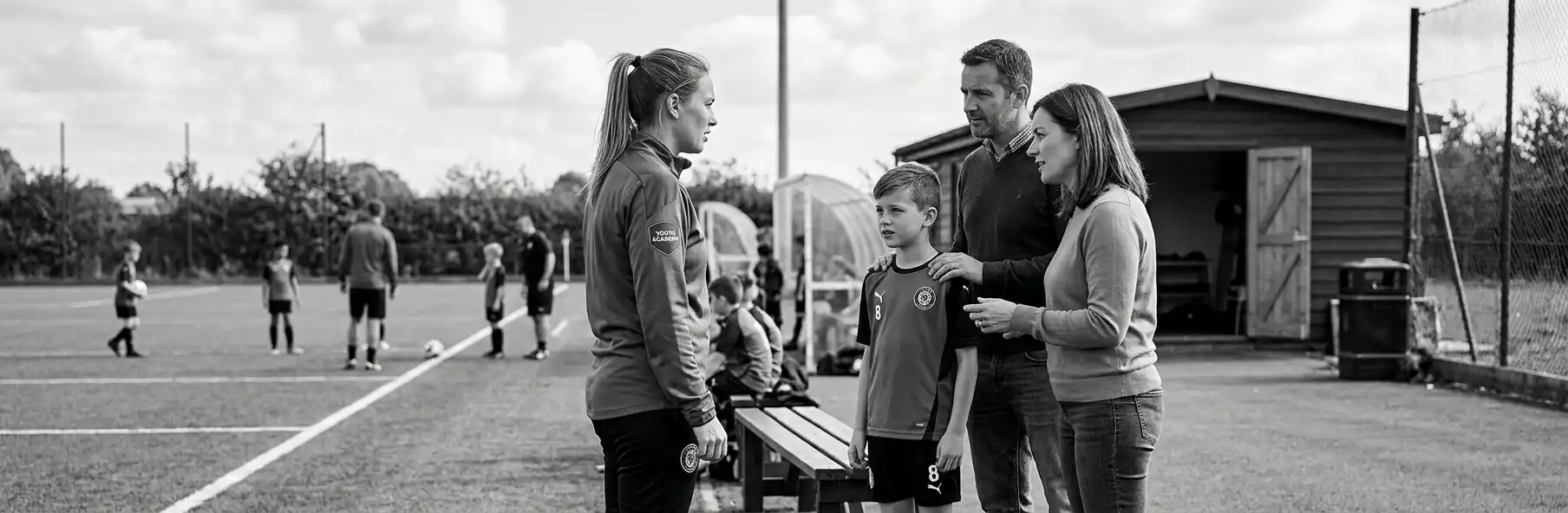
A guide for parents: how to support your child in youth football without adding pressure, and how to communicate well with the manager.
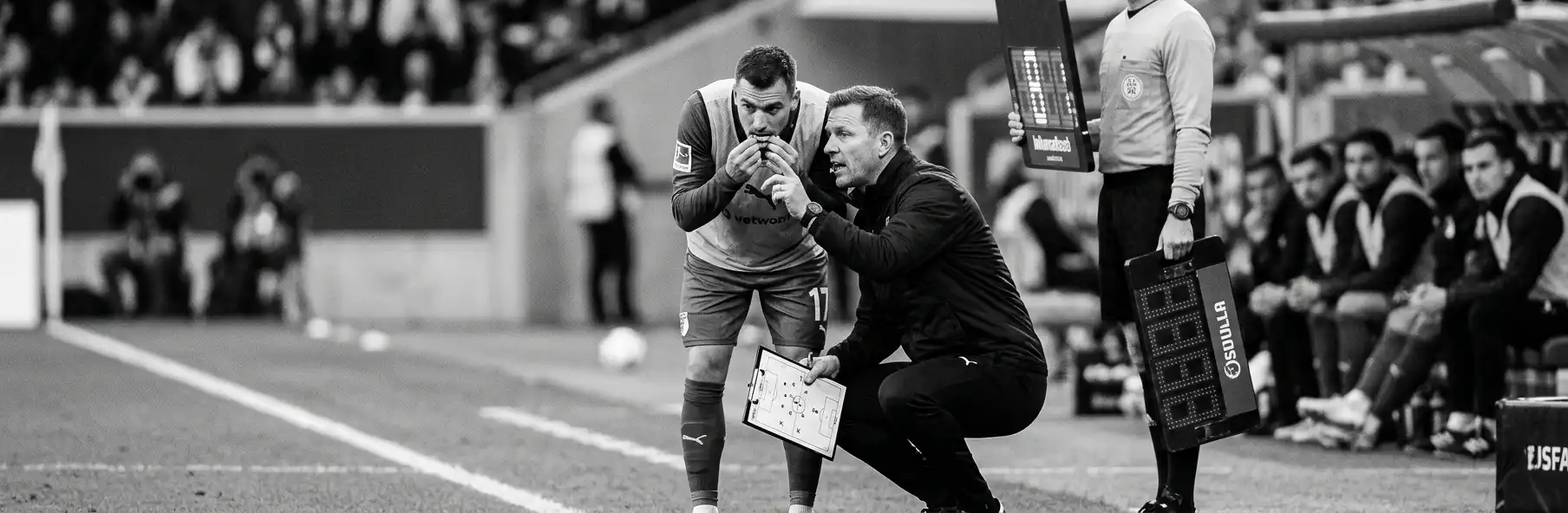
How to prepare impact substitutes in football: staged warm-ups, a one-line tactical mission, and a mental routine to make match-changing minutes count.
A guide for young futsal players: how to build a simple pre-match routine to control nerves and step onto the court with more confidence.
How to structure the pre-match video meeting in football: 3 key messages, short clips, and 15 minutes to reinforce the plan without overloading the squad.
A guide for parents: how to support your child in youth futsal without adding pressure, and how to communicate well with the coach.
A practical plan to analyse offensive shot efficiency by zone in futsal, turning finishing data into concrete training decisions.

How to psychologically prepare a futsal direct free kick taker to handle the pressure of the decisive moment, without compromising technical execution.

Compare the main agility training methods in futsal: ladder, cones, and reactive stimuli. Know when to use each one on court.

A practical plan to detect early fatigue signs in football and adjust training load before it turns into injury or a drop in performance.
How to psychologically prepare a football squad for high-profile matches, so external media pressure doesn't affect on-pitch performance.

A practical plan to optimise sleep and recovery in futsal during double game weeks, protecting performance without sacrificing the player's routine.
A practical guide to training screens and one-twos in futsal: coaching principles, winger-pivot drills, and the mistakes that kill the play.

Compare the main speed training methods in football, resisted sprints, running technique, and plyometrics, and know when to use each one.

A practical nutrition plan for away matches in football: travel meals, hydration, and timing to arrive at the game without extra fatigue.
A practical guide to training the offside trap in football: coaching principles, back-line drills, and the mistakes that cost the most goals.

The opening matchdays of a football season expose communication flaws pre-season used to hide. The most common manager mistakes and how to fix them in time.

No pitch available every day? Football exercises to train alone at home or in the backyard and develop technically between team sessions.

No access to a court every day? Futsal exercises to train alone at home or in the garage and develop technically between team sessions.
Promoted from the under-18s to the first team, making his football debut on matchday one. How a manager handles a young player's pressure early in the season.
Motivating a futsal team takes more than team talks. Practical strategies a coach can apply day to day to keep the squad committed all season.

Two football players at the same level, one spot in the starting XI. Criteria to decide in the early matchdays without breaking squad cohesion.

Matchday one in football imposes an intensity pre-season never replicates. How to adjust the following week's load without compromising matchday two.
The opening matchdays of a football season see more muscle injuries than any other phase. How to cut the risk in the pre-season to competitive transition.
Before changing your system, look at your own data. How to self-scout in football during the opening matchdays to spot genuine patterns.

Started every pre-season friendly, now stuck on the bench. How a football manager can handle a player's frustration in the opening matchdays of the season.
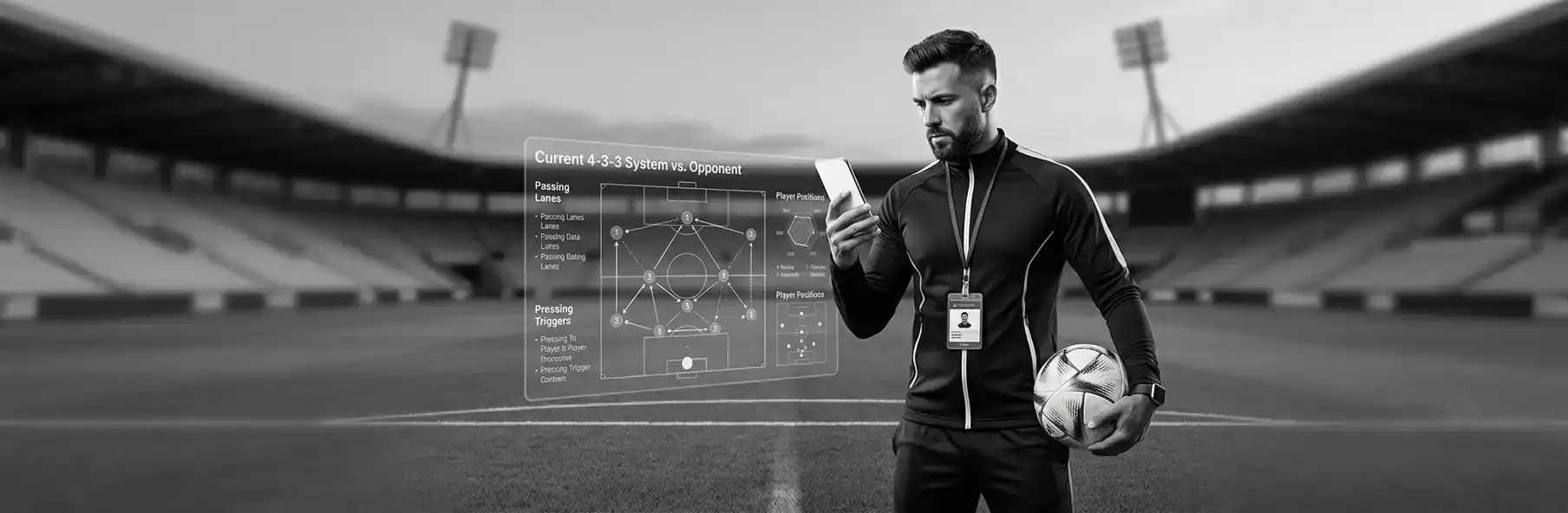
Bad results in the opening matchdays of football don't always mean it's time to change your tactical system. Criteria for keeping, tweaking, or changing it.

Two sessions a day in football pre-season demand planned sleep and recovery. Discover the protocol to get players fresh and ready for matchday one.
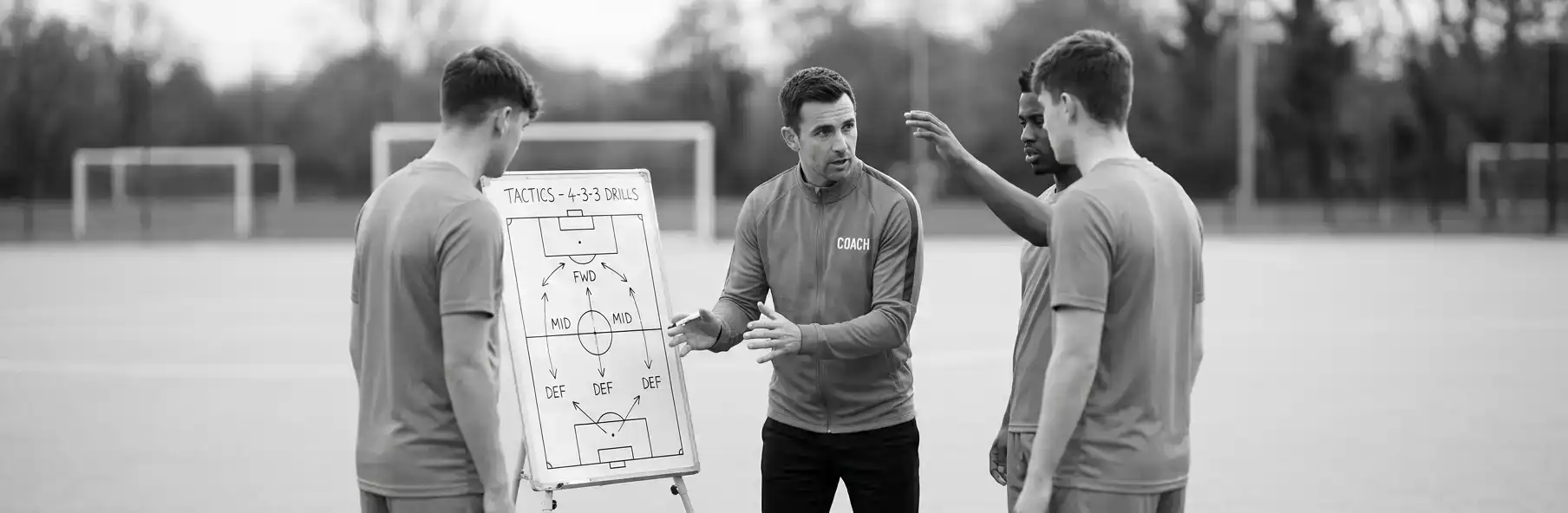
Not enough pre-season friendlies to test your football team's system? Learn how to install and confirm your tactics through structured training drills.
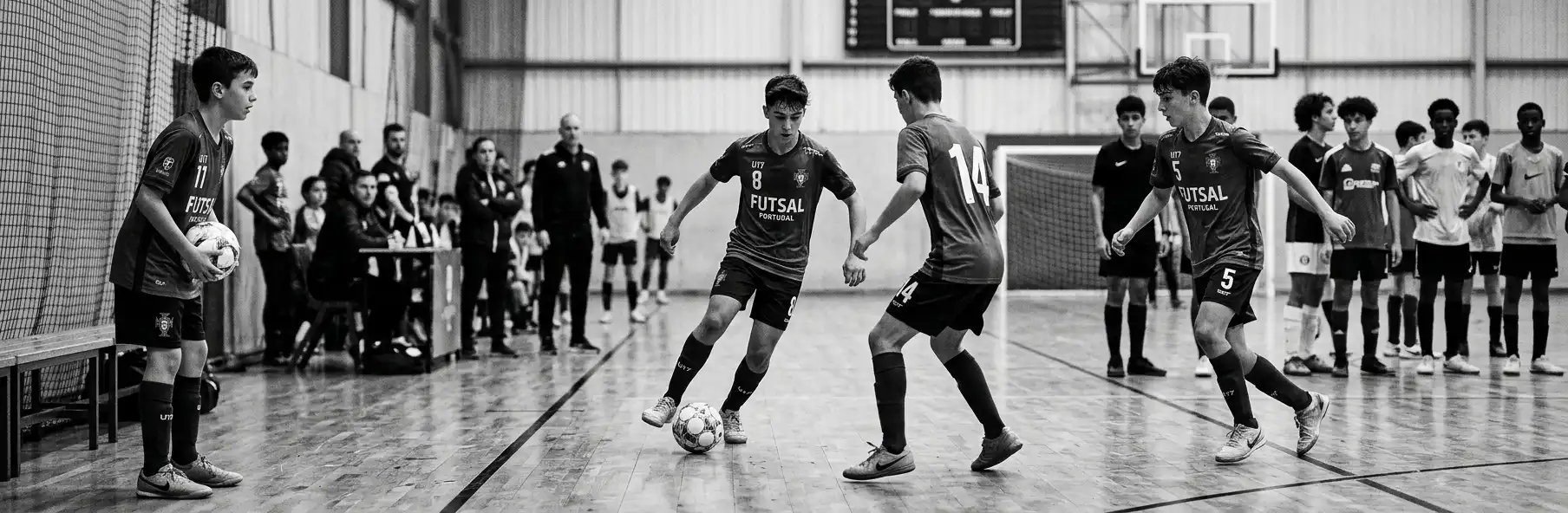
Specialise in futsal early or keep a child playing several sports? Advantages, risks, and decision criteria for each approach from under-13 to under-19 level.
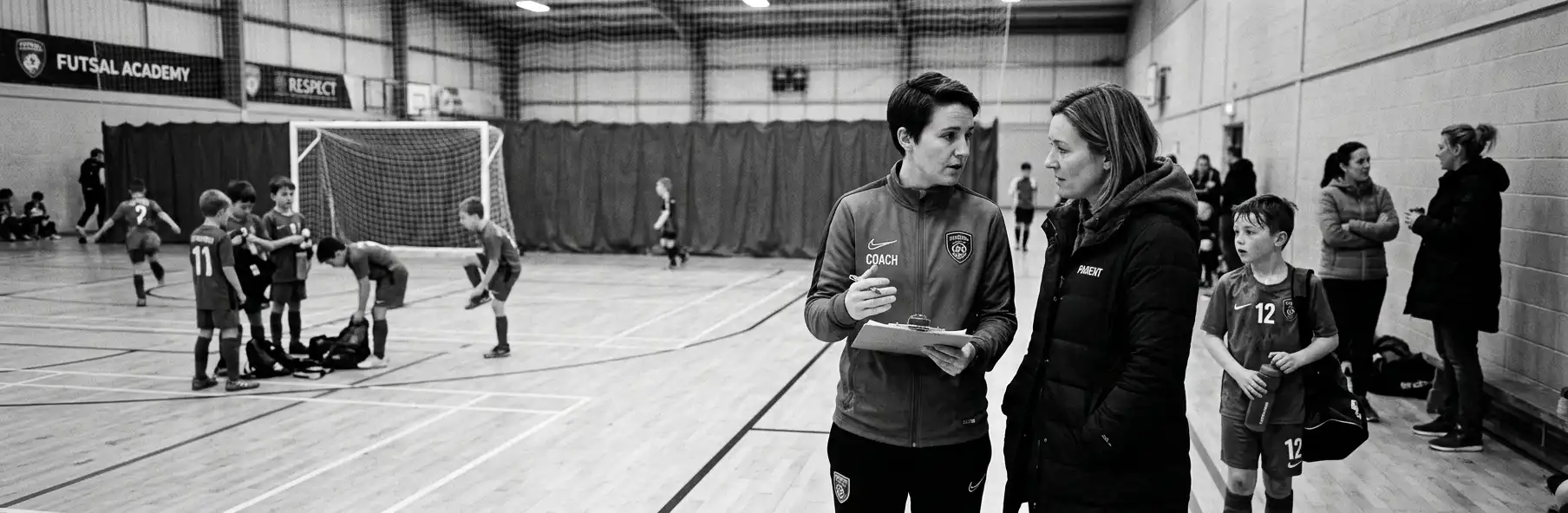
How youth coaches should communicate with the parents of young futsal players to align expectations and prevent conflict over the course of the season.
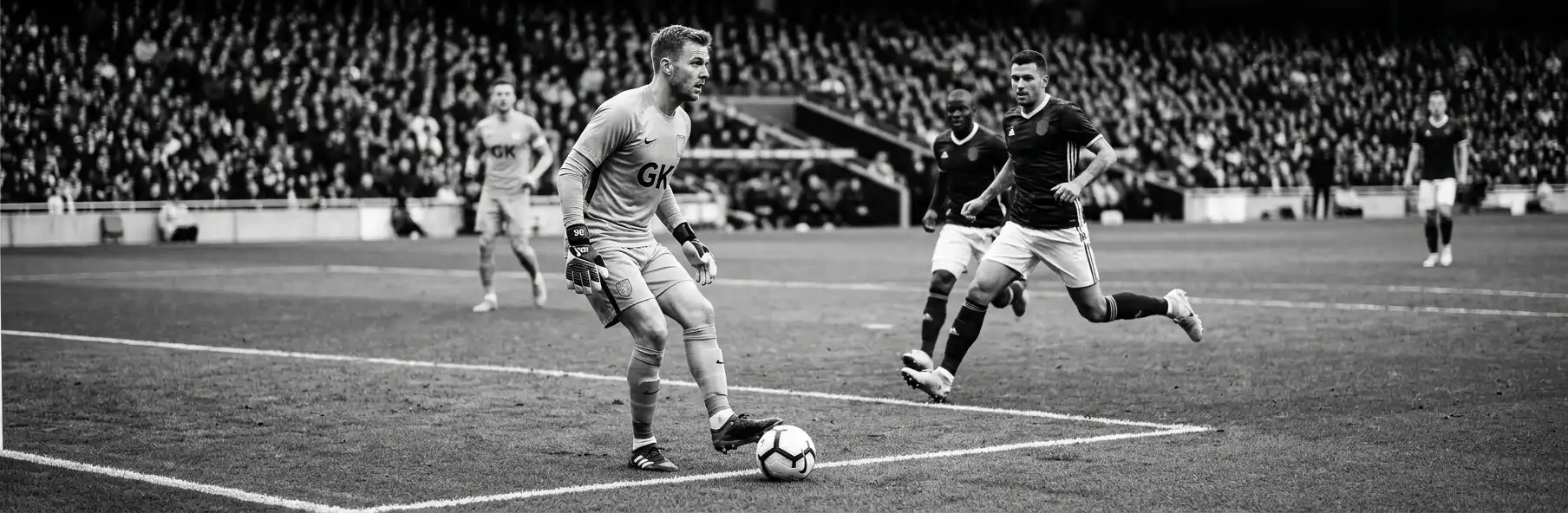
Short along the ground or a long clearance: how to decide the goalkeeper's distribution under opposition pressure, and the criteria behind each option.
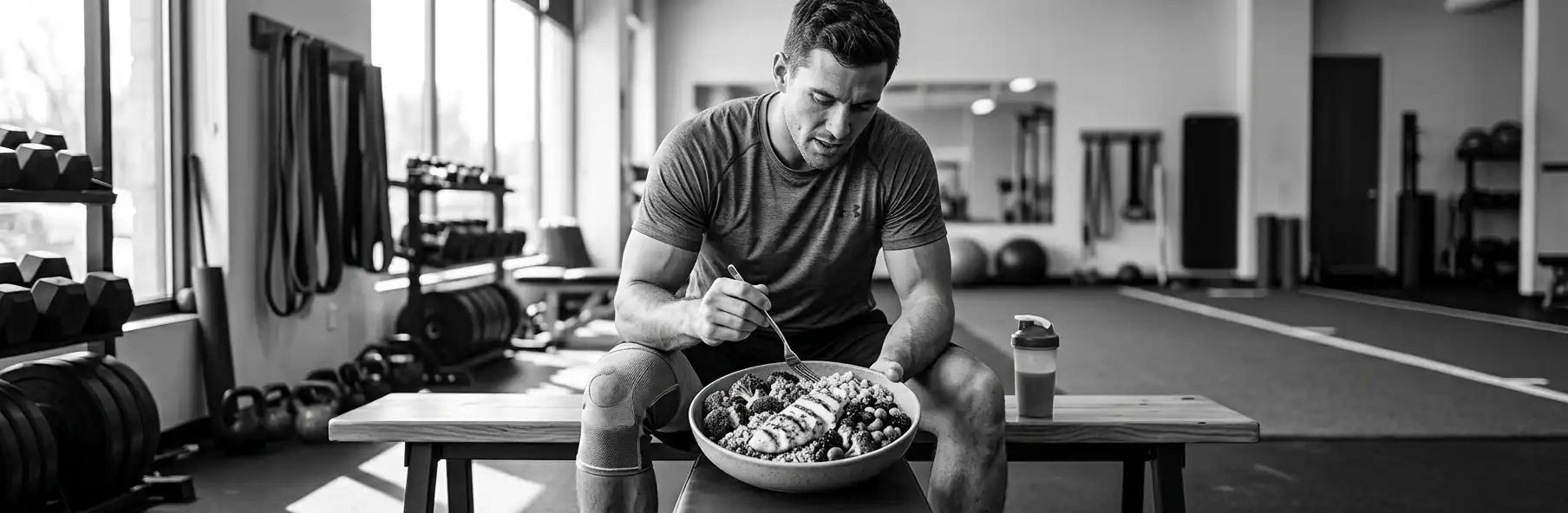
How to adjust a player's diet during rehab and on the return to competition after injury, to support tissue recovery and physical reintegration.
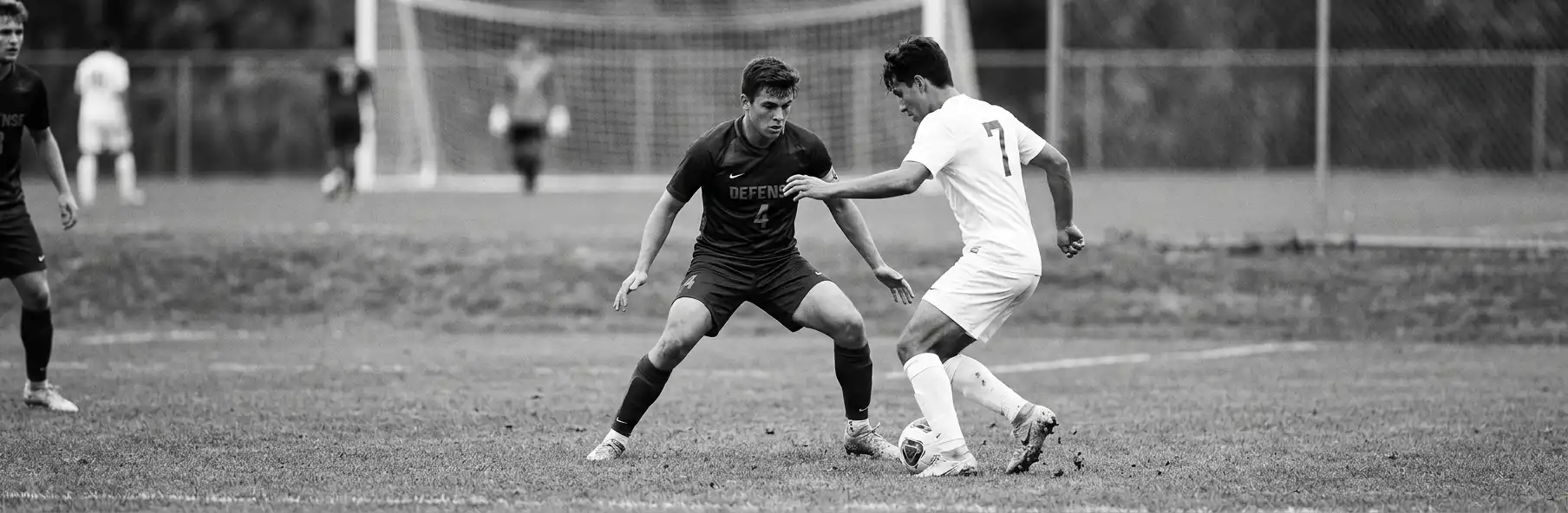
Drills and principles for training man-marking inside the box in open play, beyond set pieces, to cut down goals conceded from direct duels.
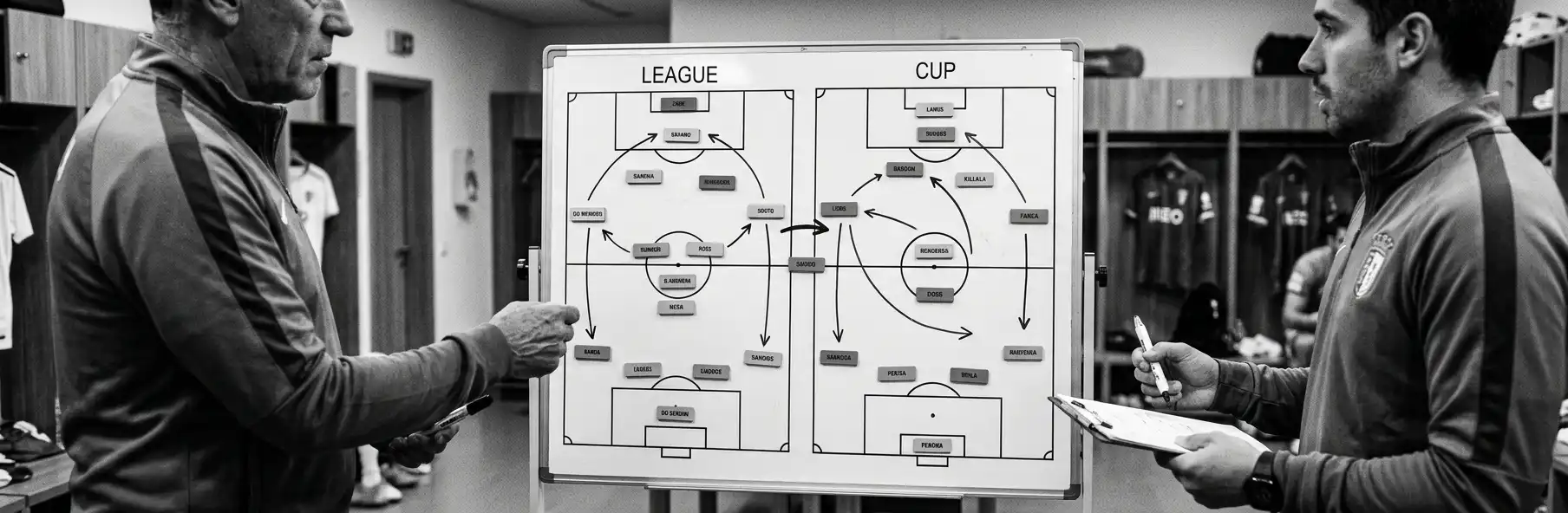
Practical criteria for rotating your squad between league and cup fixtures without losing competitive rhythm or breeding discontent in the group.
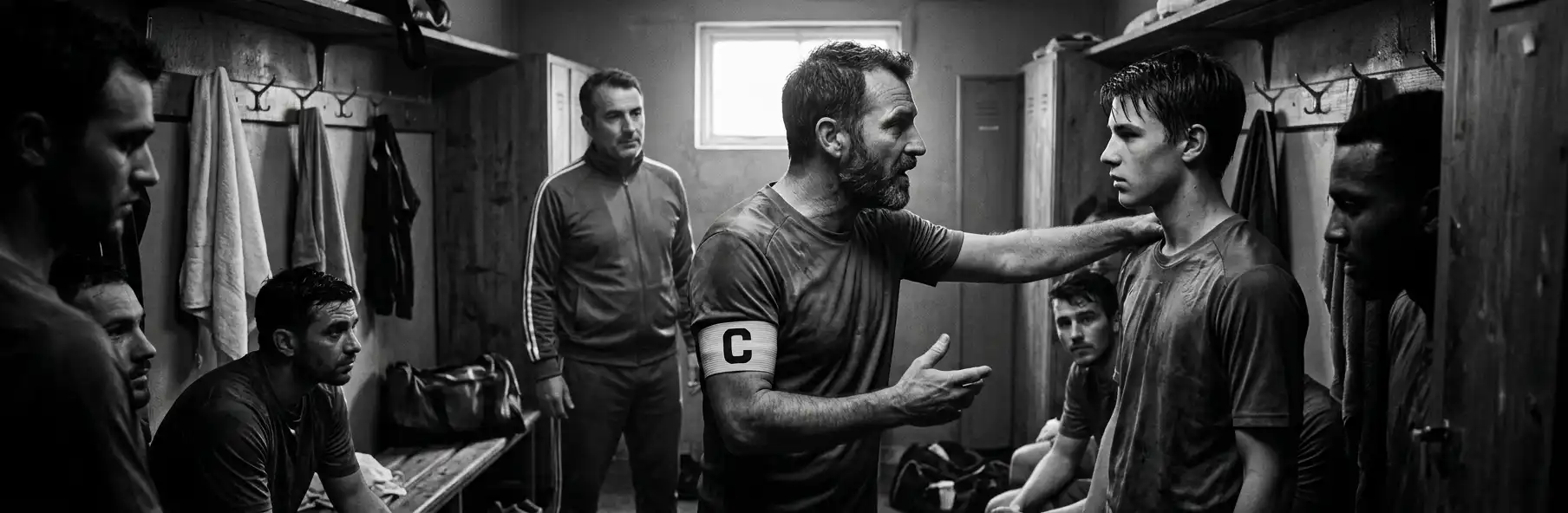
How a team captain can strengthen cohesion and communication in the dressing room, and what the manager should do to prepare that leadership.
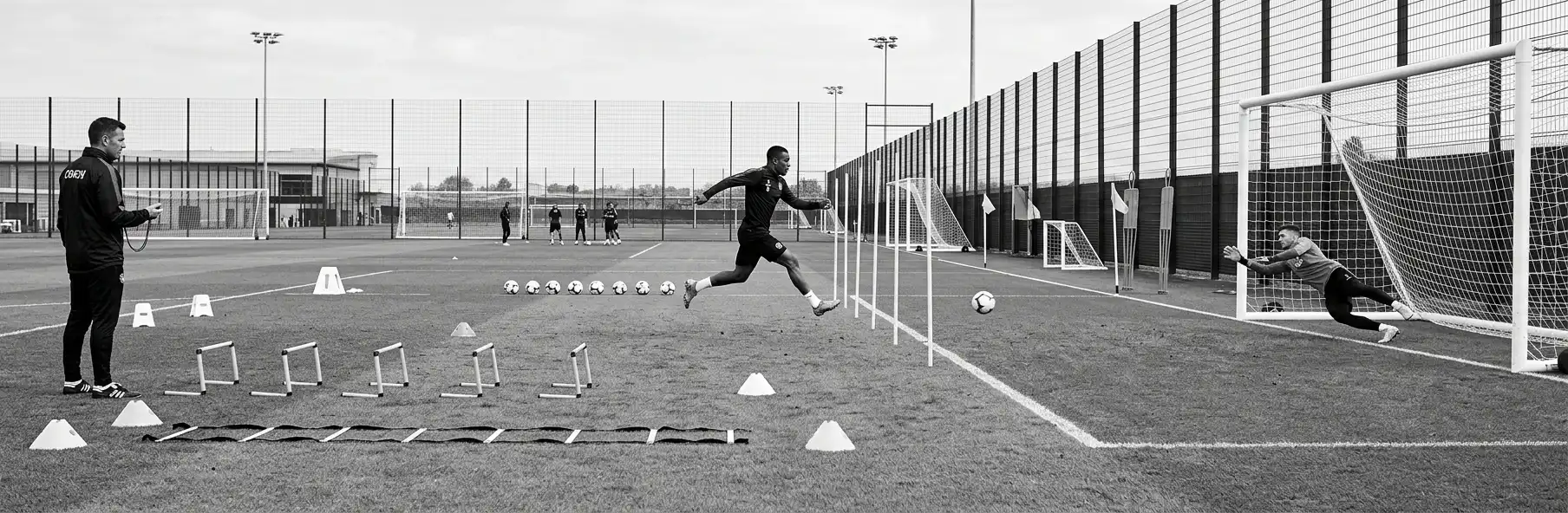
How to structure finishing training in football to boost goal conversion: drill progression, constraints, and technical correction.
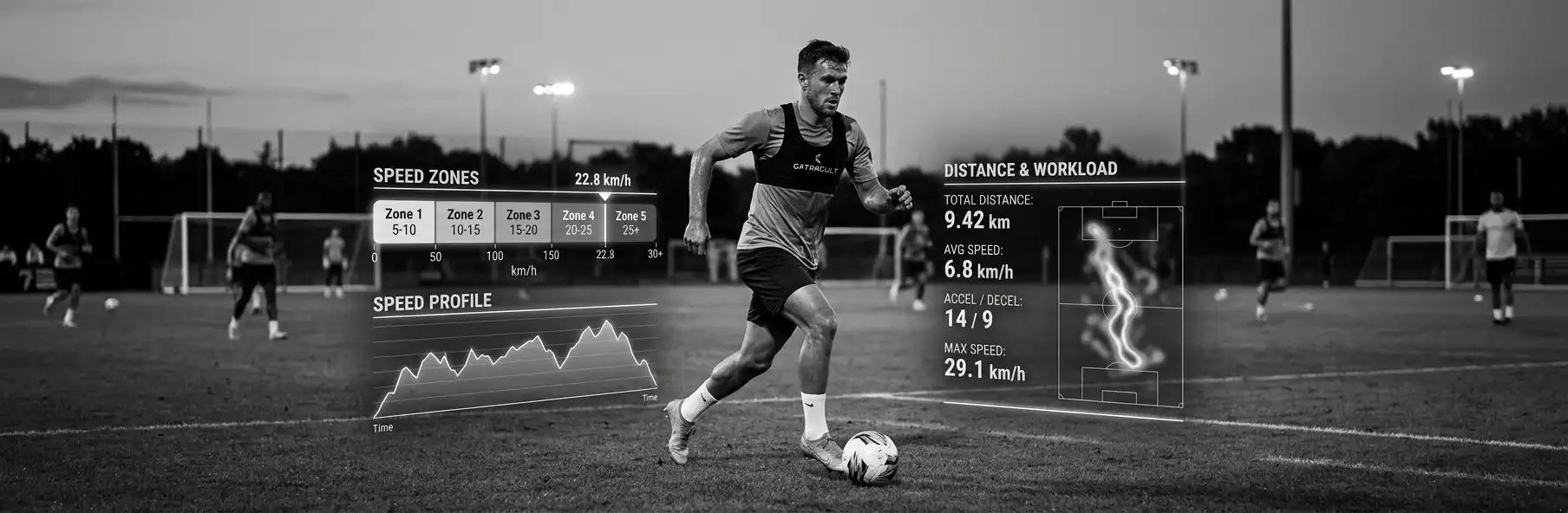
How to read GPS data in football. distance covered, speed zones and sprints. to adjust training load and reduce injury risk.
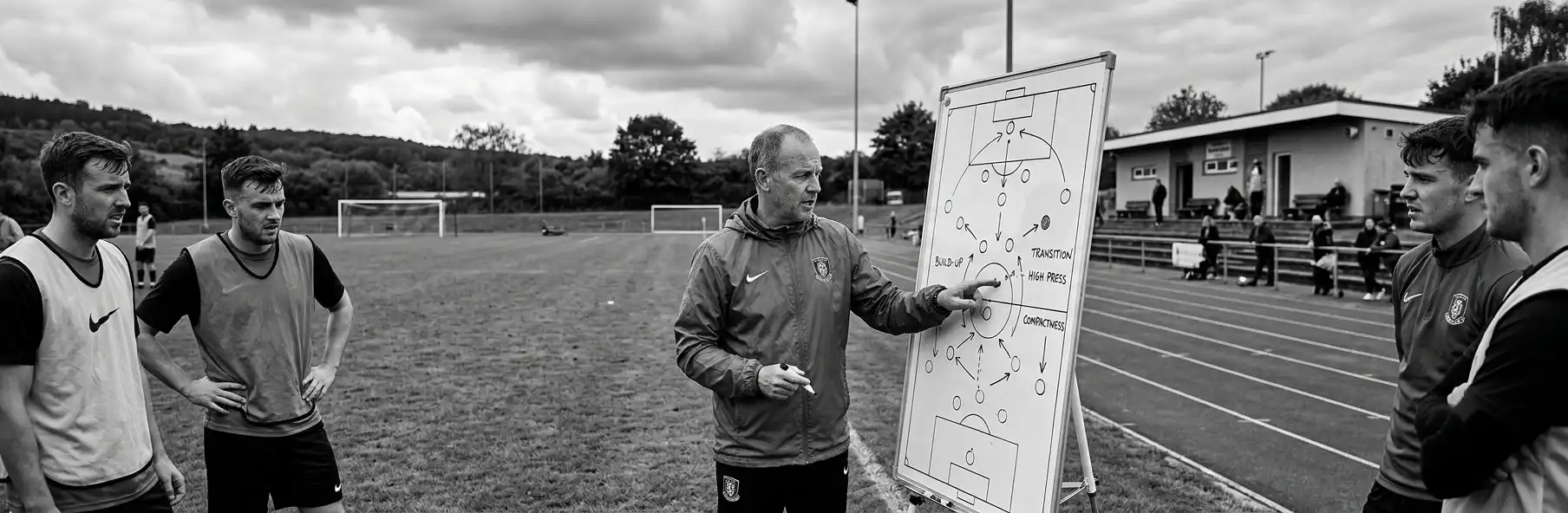
What Vítor Frade's Tactical Periodization actually is, how it organises training around principles and sub-principles, and how to apply it at an amateur club.
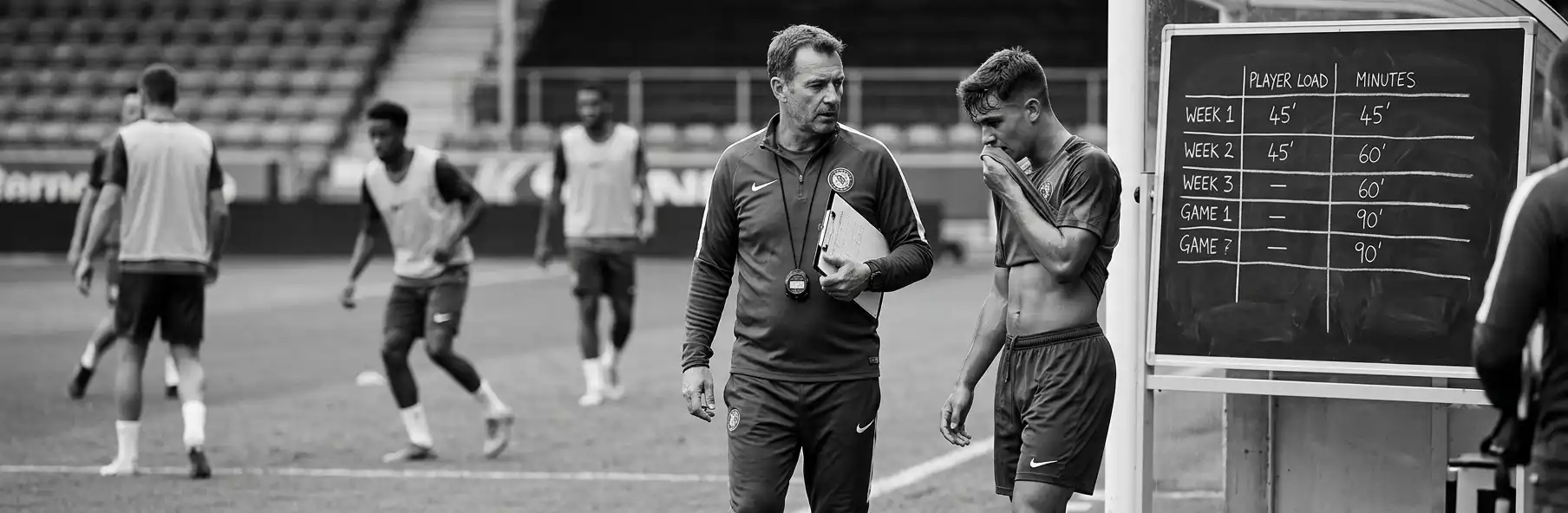
How to plan a squad's minutes progression across pre-season friendlies so players arrive at matchday one match-fit and free of muscle injuries.
What to prioritise in specific goalkeeper training during the early weeks of pre-season: physical base, individual technique, and build-up play.
How to manage a run of poor results in football: diagnosing the crisis, and tactical and psychological strategies to stop the spiral and rebuild confidence.

How a futsal manager can use pre-season to build collective mindset, group cohesion, and team culture from the very first training session.
A step-by-step return-to-play protocol for football: load progression, objective criteria, and how to reintegrate a player without risking a relapse.
Comparing zonal and man marking at defensive corners in football: advantages, limitations, and criteria for choosing the right system.
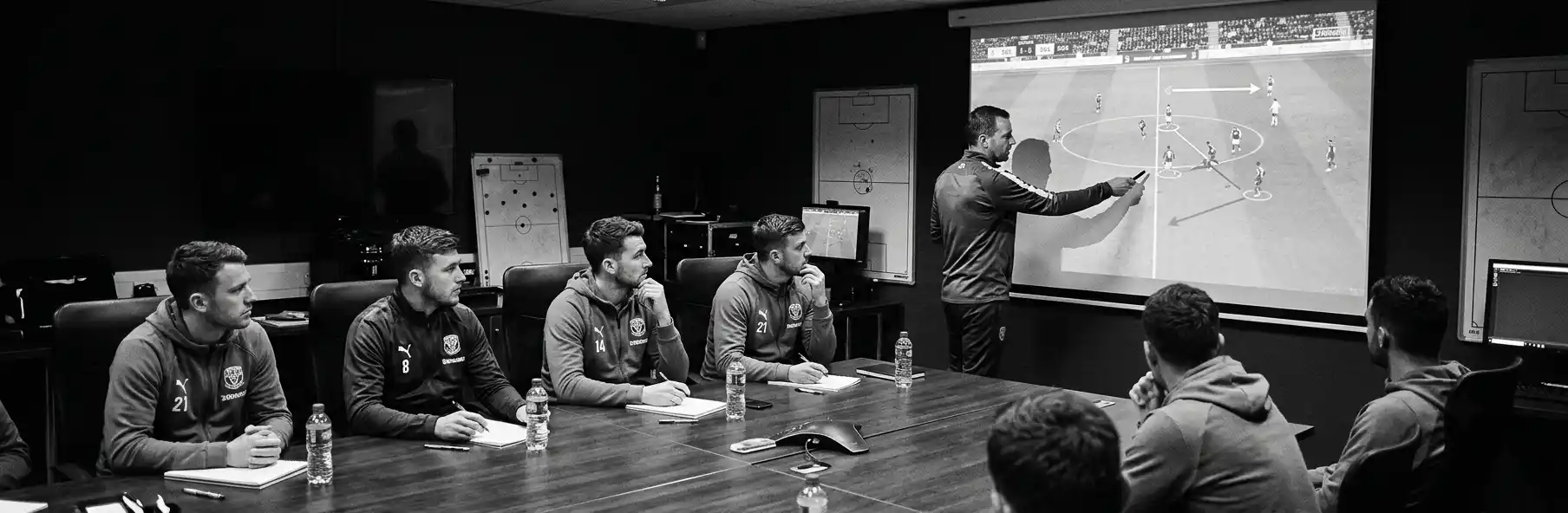
A practical guide to post-match video analysis in football: selecting clips, structuring the Monday session, and avoiding overloading the squad.
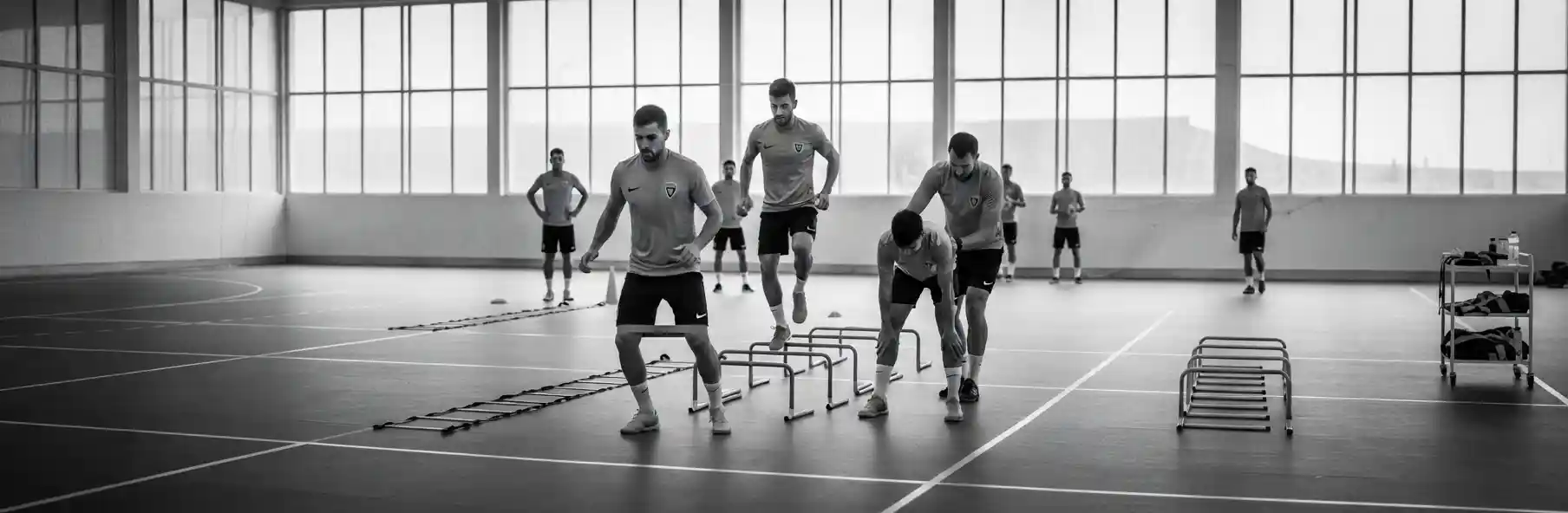
A practical injury-prevention protocol for the first weeks of futsal pre-season, when muscle injury risk is at its highest.
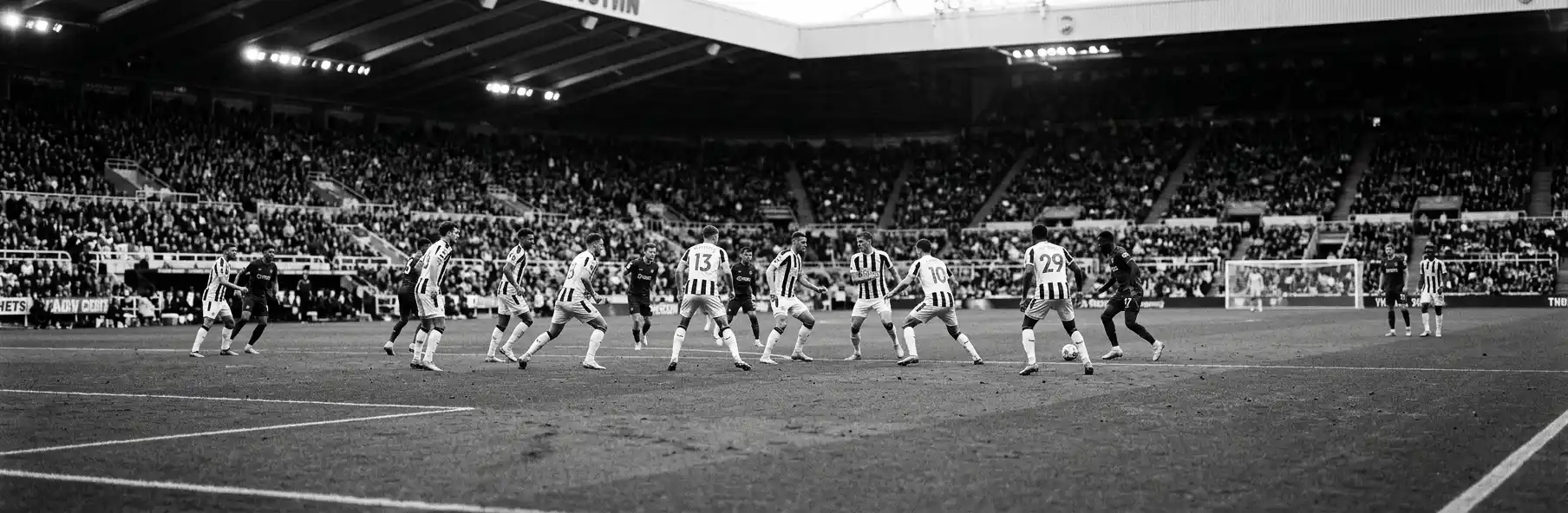
Comparing mid-block, high press and low block in football: advantages, limitations, and criteria for choosing the right defensive structure.
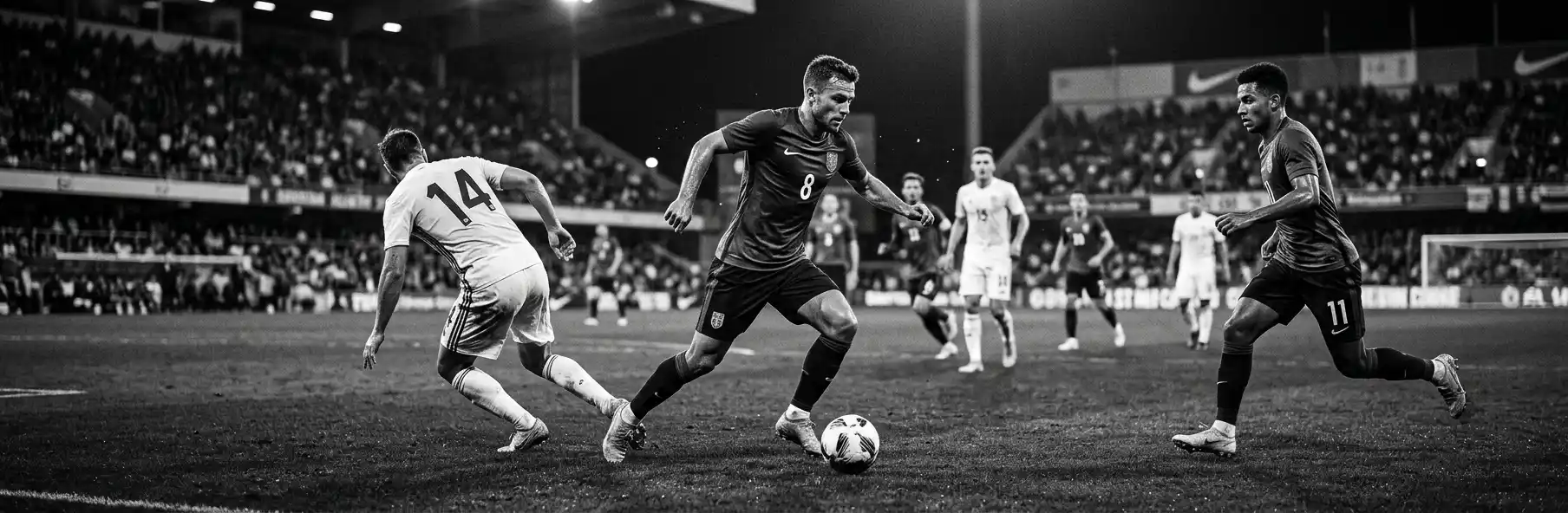
A practical guide to attacking transition in football: training the decision in the first 3 seconds after winning the ball to exploit the opposition's disorder.
How to manage squad selection and playing time in futsal pre-season to assess the whole squad without compromising the tactical system installation.
A nutrition plan for double-training days in football pre-season: what to eat between sessions, hydration and glycogen replenishment to sustain the volume.
How to set season goals during football pre-season and align expectations between manager, board and squad, avoiding conflict midway through the season.
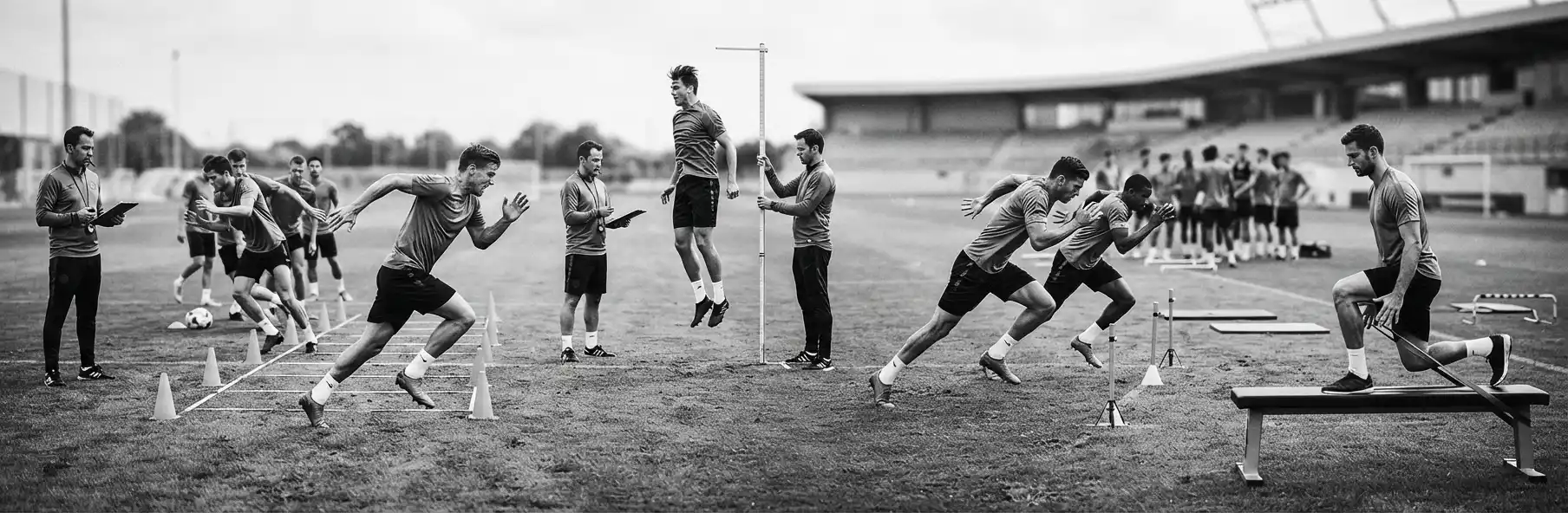
A pre-season fitness testing battery for the first days back: Yo-Yo IR1, RSA, jumps and strength. how to measure each player's real condition.
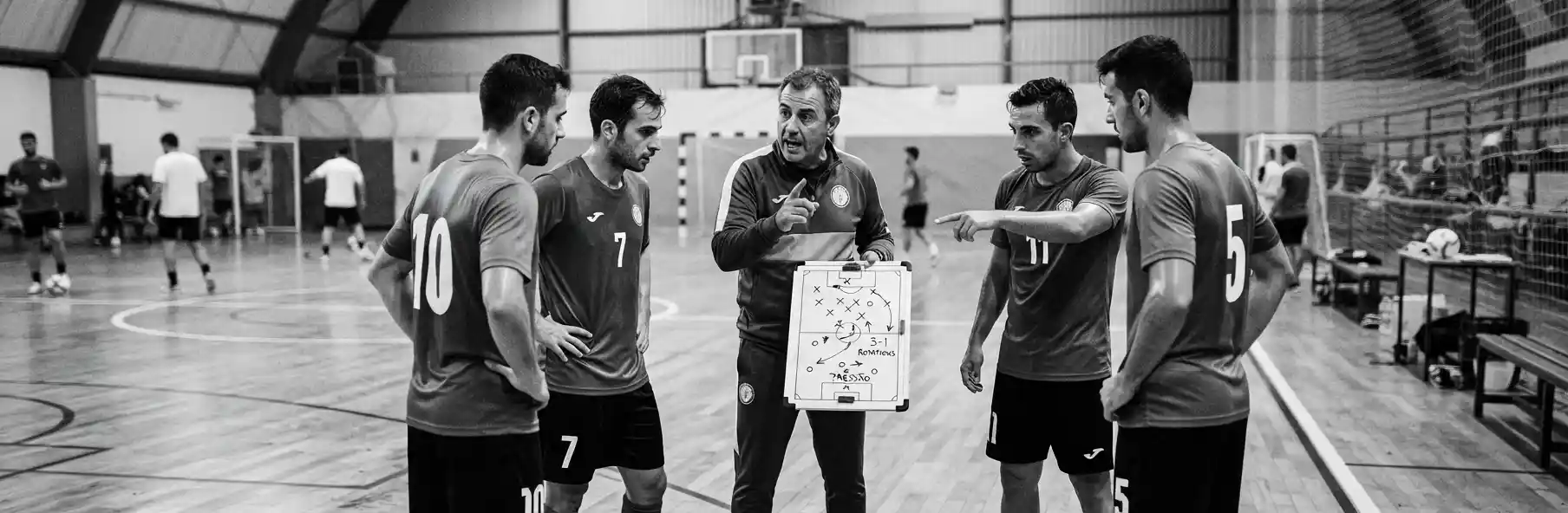
How to install a new futsal tactical system (3-1, 2-2 or 4-0) during pre-season without wasting the few weeks of court time available.
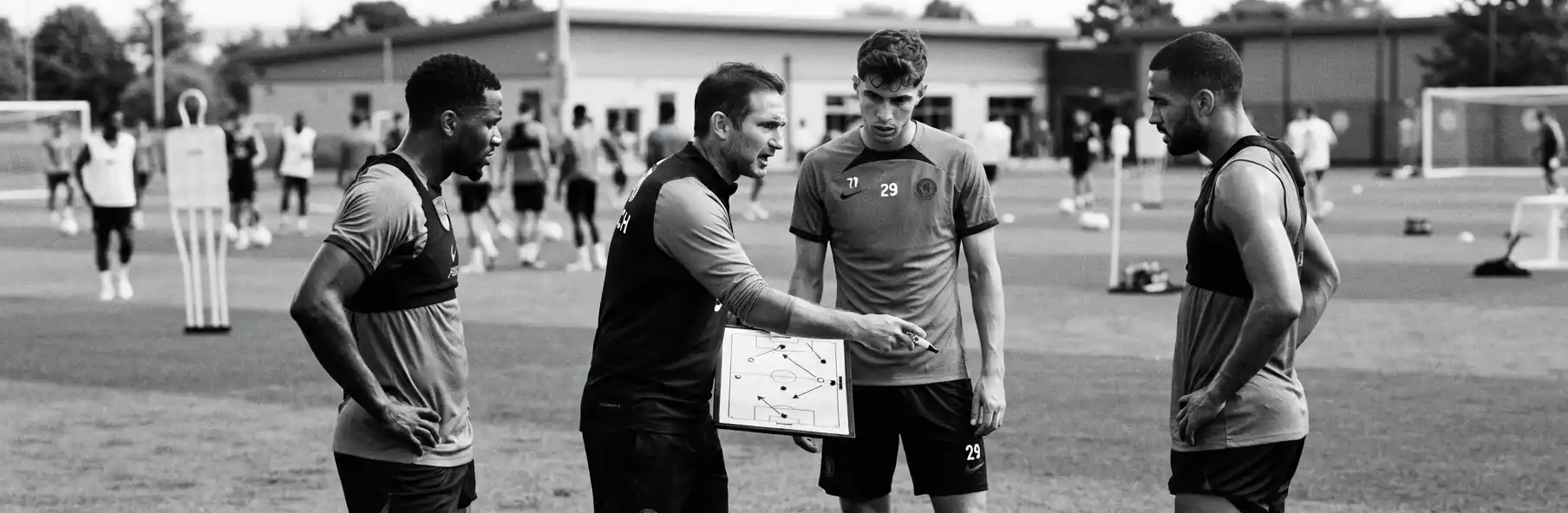
A practical guide to integrating new signings during pre-season: shared tactical language, bridge drills and how to stop a new arrival slowing the squad.
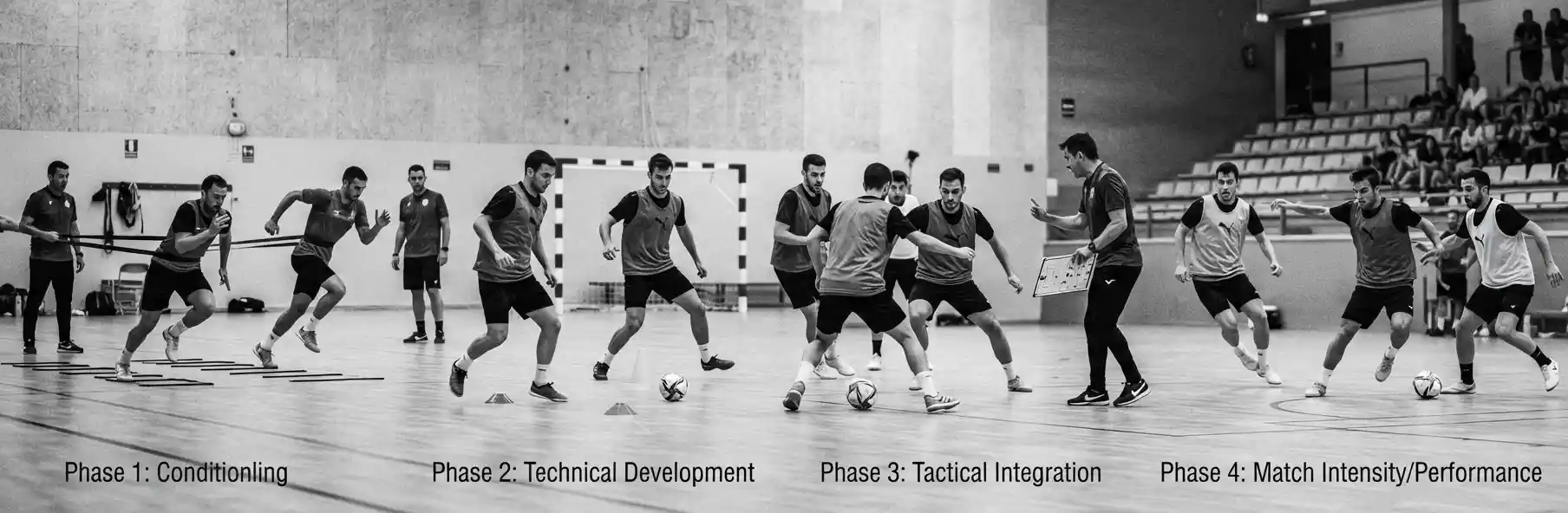
How to structure futsal pre-season periodization into 4 phases, from general conditioning to match intensity, even with limited court access.
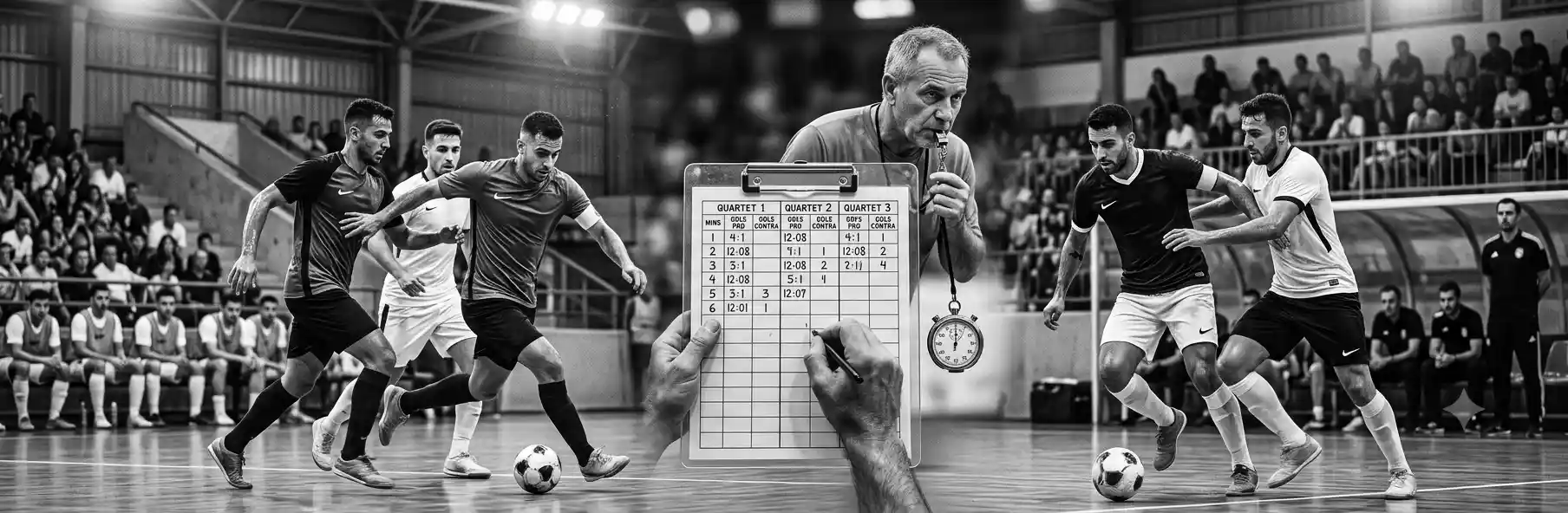
Guide to quartet-based analysis in futsal: which metrics to track per rotation, how to read goal difference per line and make rotation decisions with data.
How to defend in a low block and counter-attack effectively in football: compactness, breakout triggers, player profiles and the underdog's tactical variants.
Guide to opposition scouting in amateur football: what to watch for, how to structure the report and turn the analysis into a game plan in a few hours.
A psychological guide for managers: how to help a footballer recover confidence after an error that cost the team goals or points.
Weekly training plan for the futsal goalkeeper: blocking technique, distribution, power-play involvement and how to integrate the GK into team training.
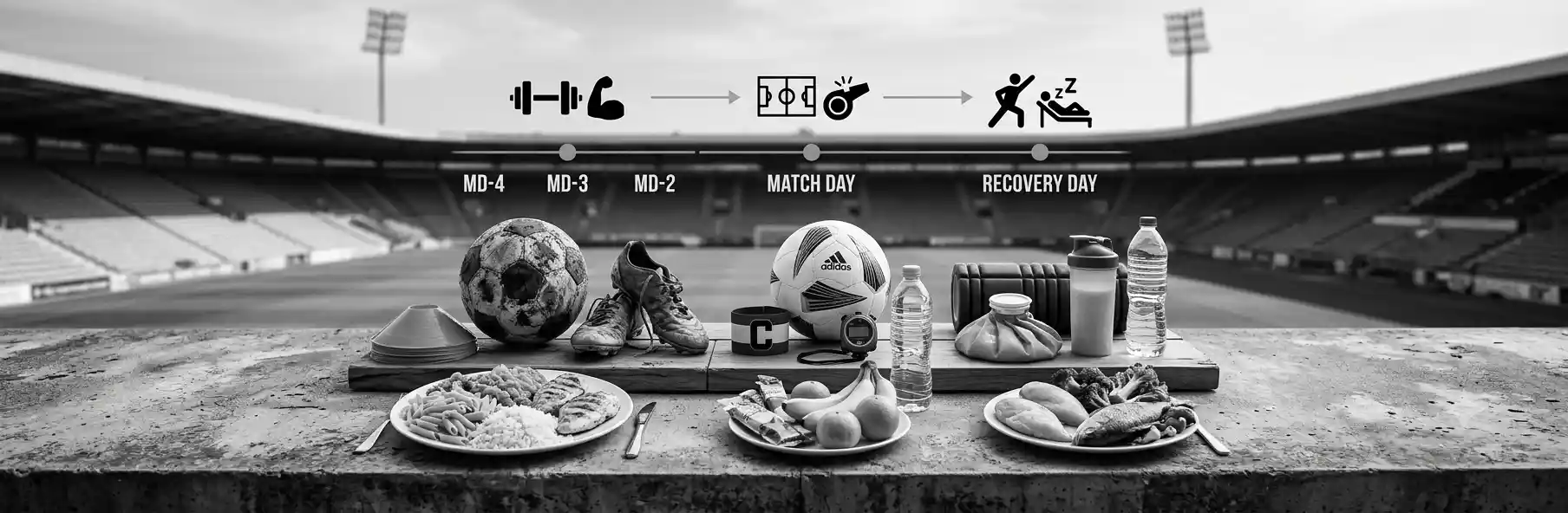
Guide to nutritional periodisation in football: how to adjust carbs, protein and hydration to each day of the microcycle, from MD-4 to matchday and recovery.
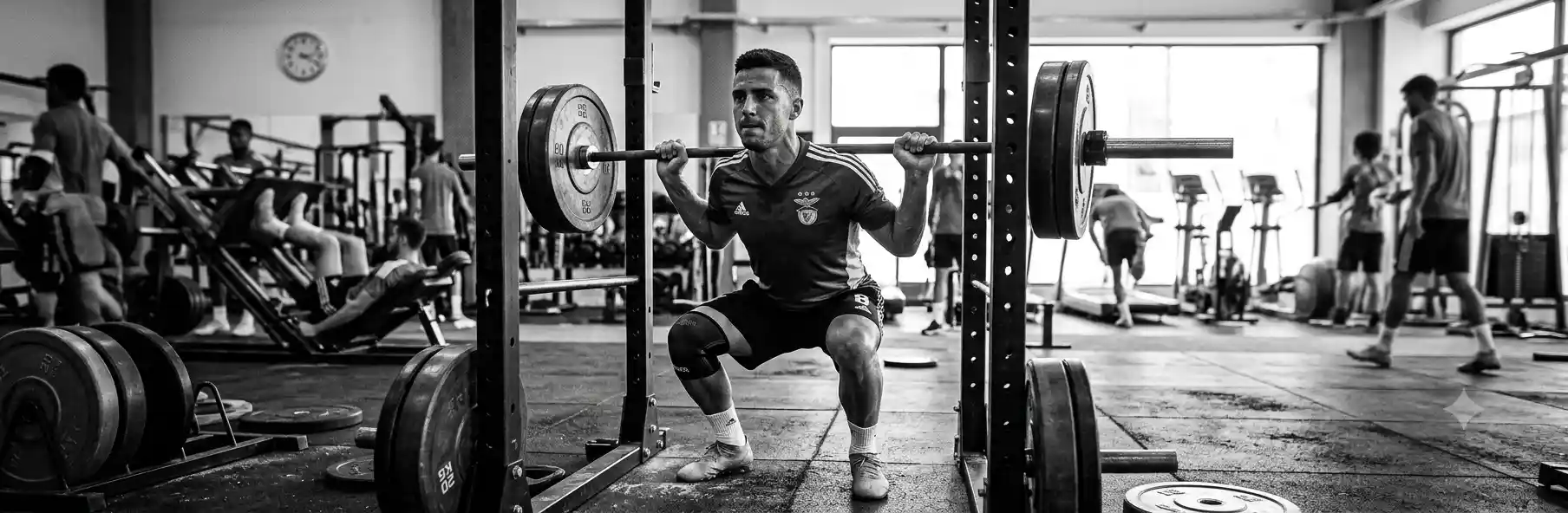
In-season strength plan for footballers: priority exercises, where gym work fits in the microcycle, injury prevention and the mistakes to avoid.
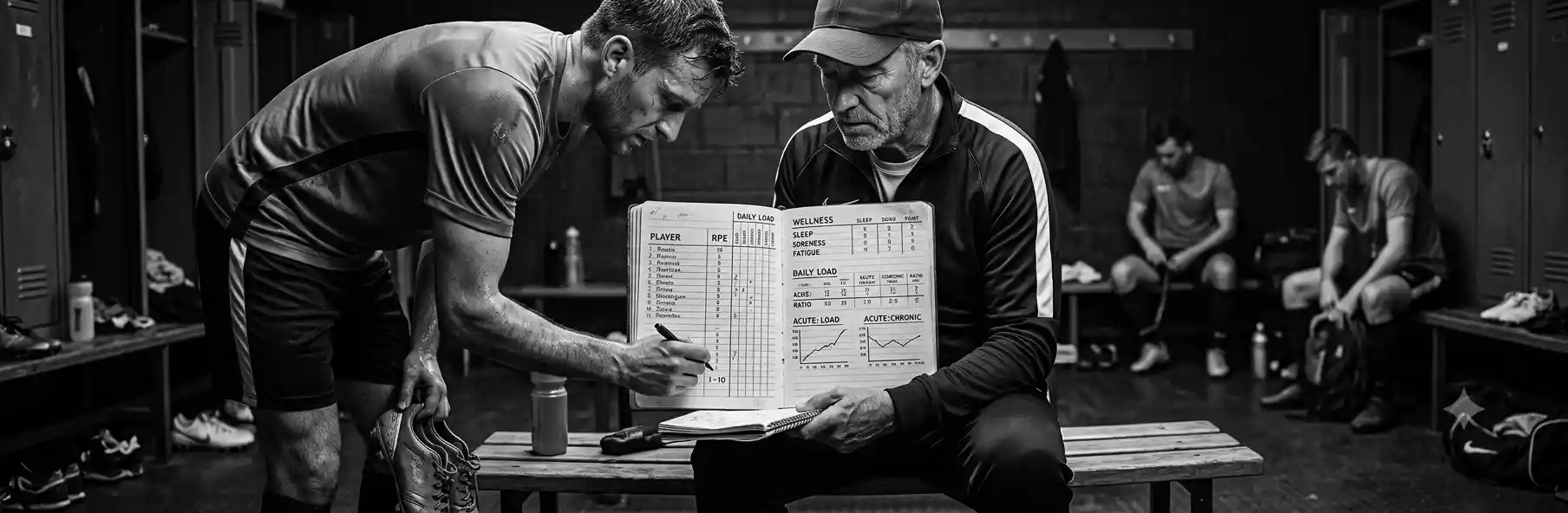
How to monitor training load in football without GPS: session RPE, acute-chronic workload, daily wellness and a practical protocol for amateur clubs.
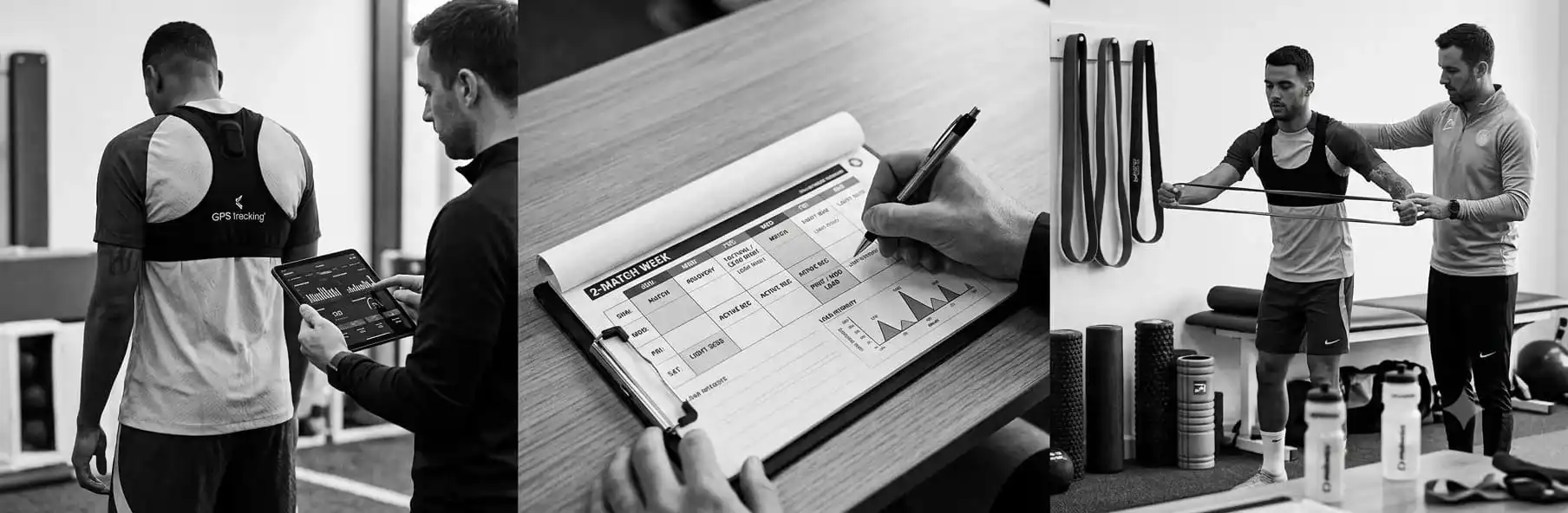
A step-by-step in-season injury prevention plan for football, focused on load management in two-match weeks and individual player monitoring.
Guide to small-sided games in football: how to manipulate space, numbers and rules to train tactical principles and physical load simultaneously.
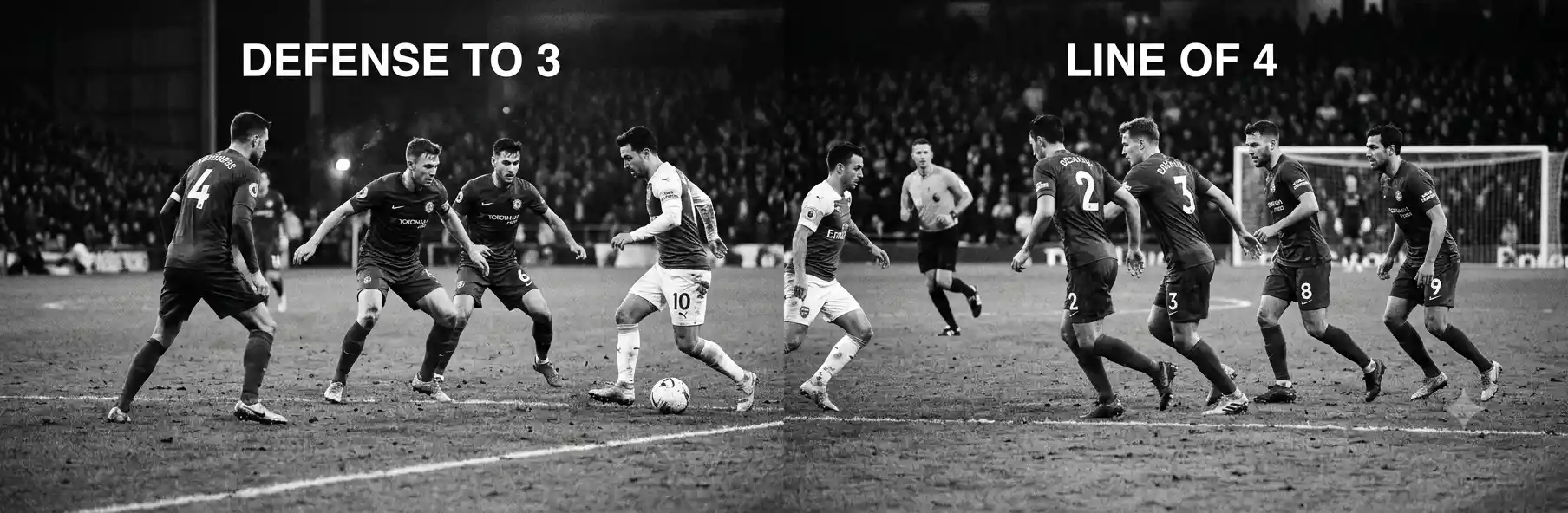
Back three vs back four in football: strengths, limitations and practical criteria for choosing the right defensive structure for your squad and league.
Practical guide to build-up play in football: first-phase structures, the goalkeeper's role, creating overloads and knowing when to go long against a high press.
How to manage squad selection and rotation through the competitive season without wrecking group cohesion. Practical communication and planning strategies.

A practical guide to building an attacking corner-kick playbook in football: fixed roles, drilled variations, and how to use video to maximise effectiveness.
Practical guide to defensive transition in football: counter-pressing, organised recovery runs, rest defence and how to train the 6 seconds after losing the ball.
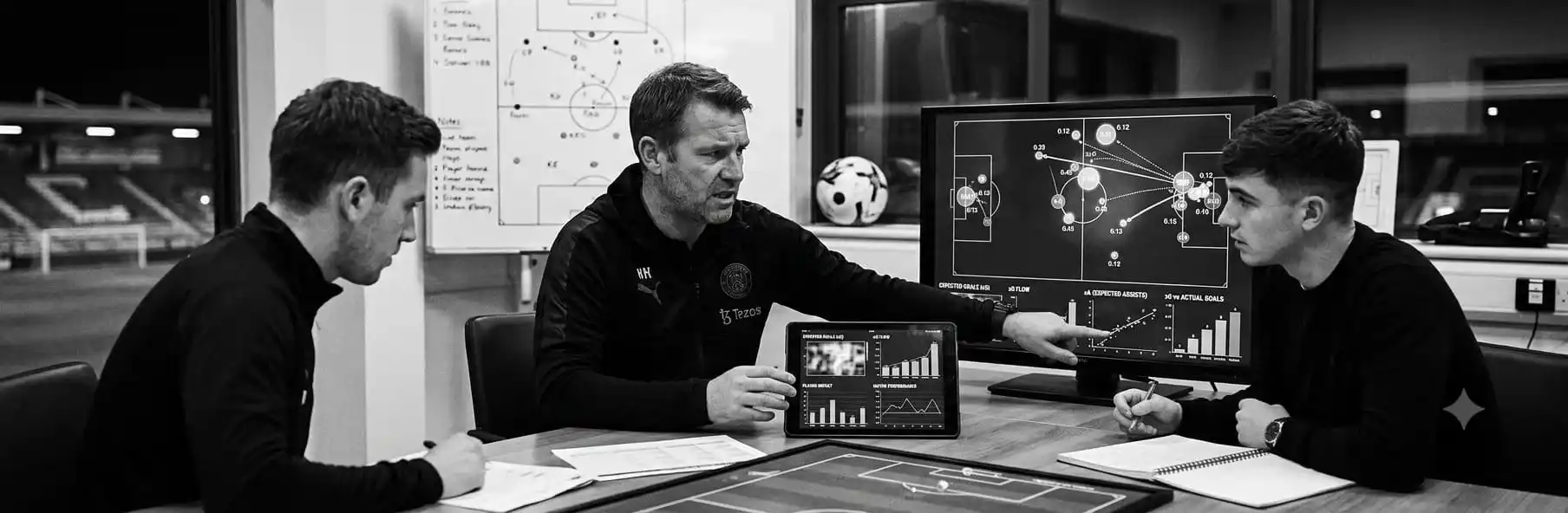
Why xG and xA are misread by most coaches, and how to use these metrics to judge real performance rather than one-off luck.
A step-by-step nutrition plan for futsal tournaments with multiple matches in a day: what to eat between games, hydration, and mistakes to avoid.
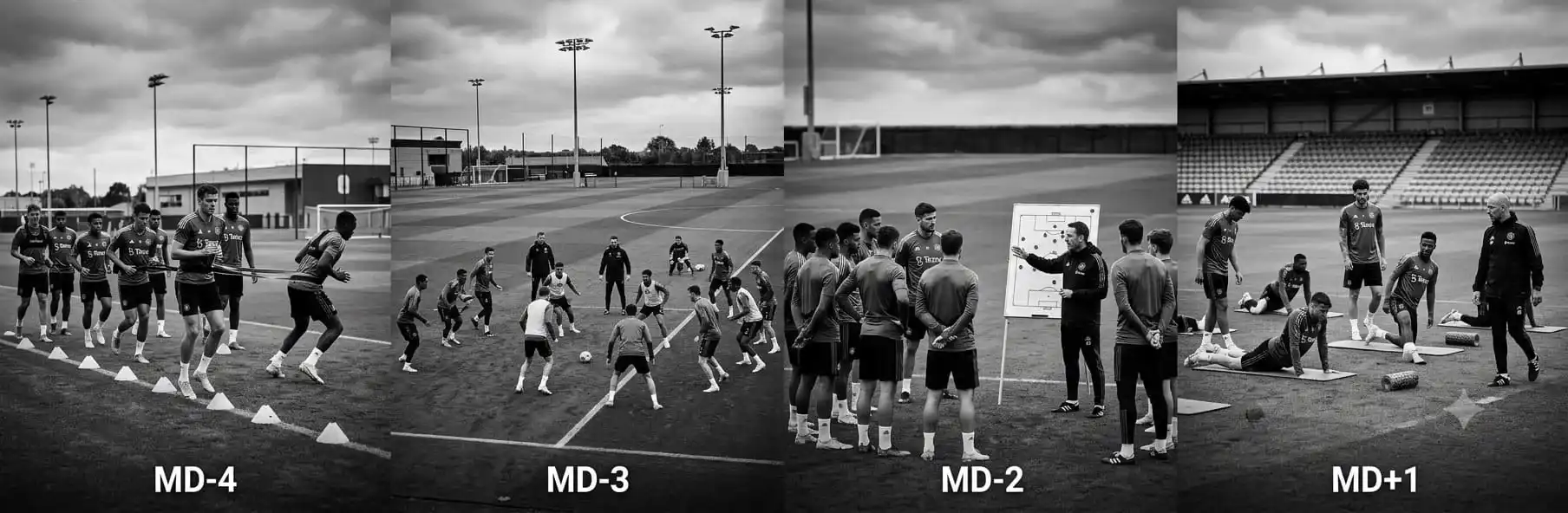
A step-by-step guide to the standard football microcycle, from MD-4 to MD+1: load distribution, daily tactical focus, and how to avoid periodisation mistakes.
How to prepare a football team mentally for decisive matches: why run-in pressure blocks performance, and how to manage it in practice.
A practical guide to PPDA (Passes Allowed Per Defensive Action) in football: how to calculate it, read it, and use it to assess your team's pressing intensity.
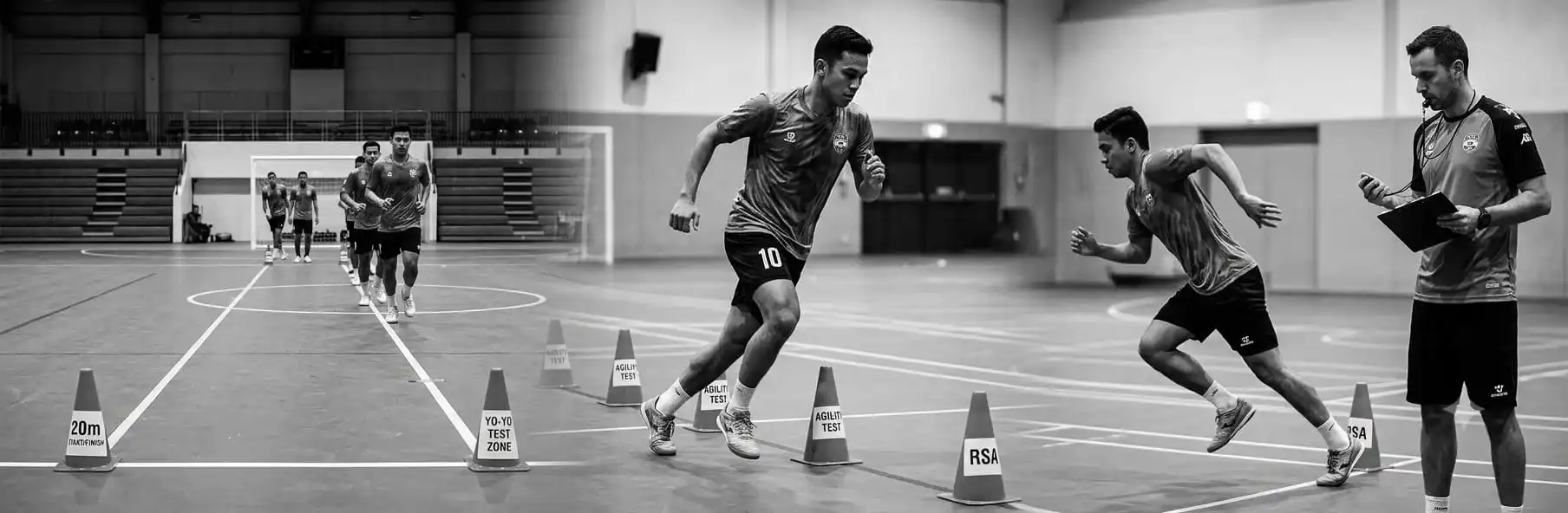
A practical guide to fitness testing in futsal: Yo-Yo Intermittent, RSA and court-specific agility tests, and how to use the results to individualise training.
A practical guide to high pressing in football: how to organise your three pressing lines, set clear triggers, and avoid the errors that leave space in behind.
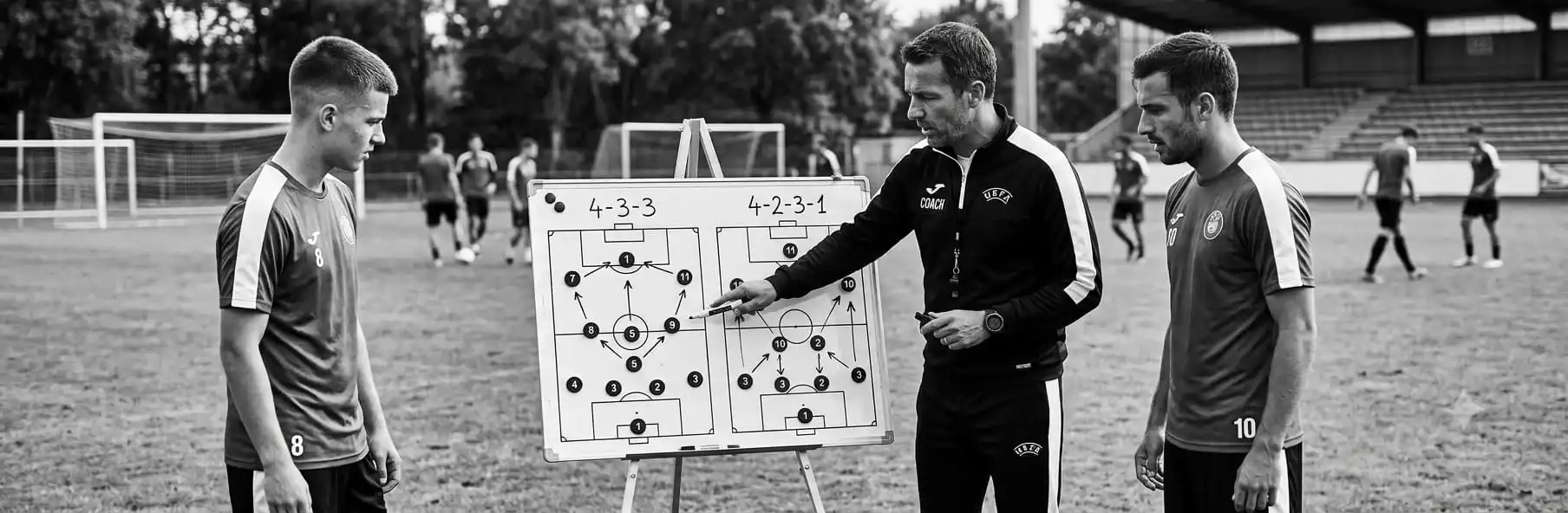
A practical comparison of the 4-3-3 and 4-2-3-1: strengths, weaknesses and clear criteria for picking the right tactical system for your squad.
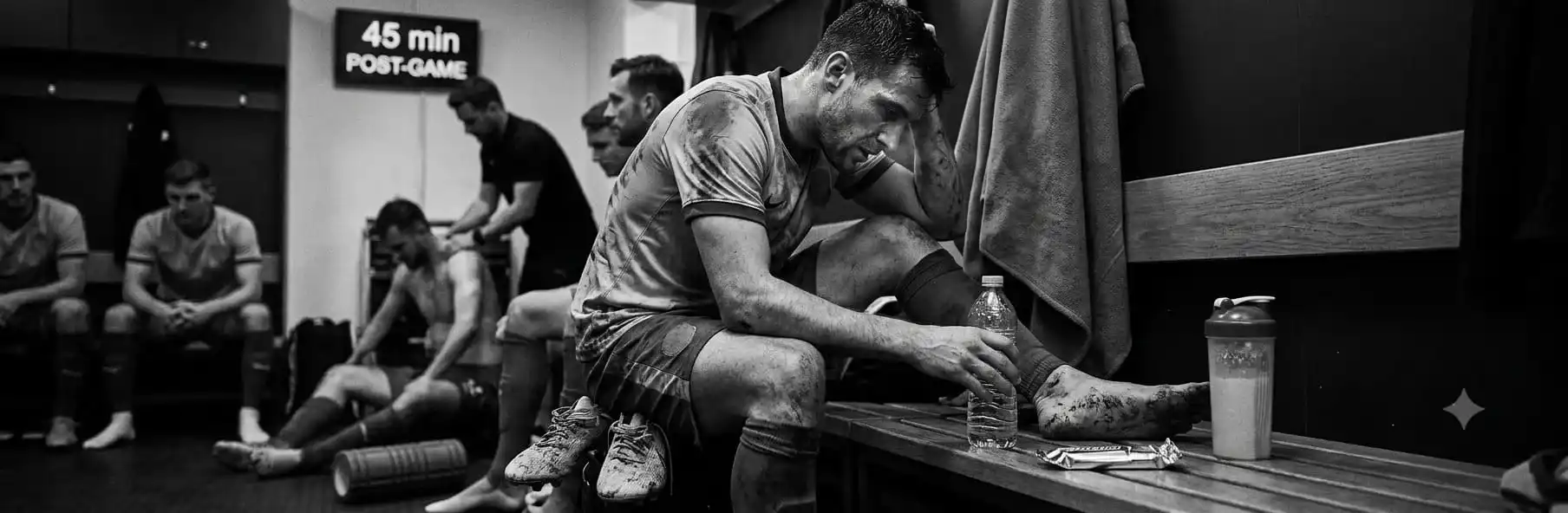
A step-by-step post-match recovery protocol for football, from the first minutes to 48 hours later: hydration, nutrition, sleep and regenerative work.
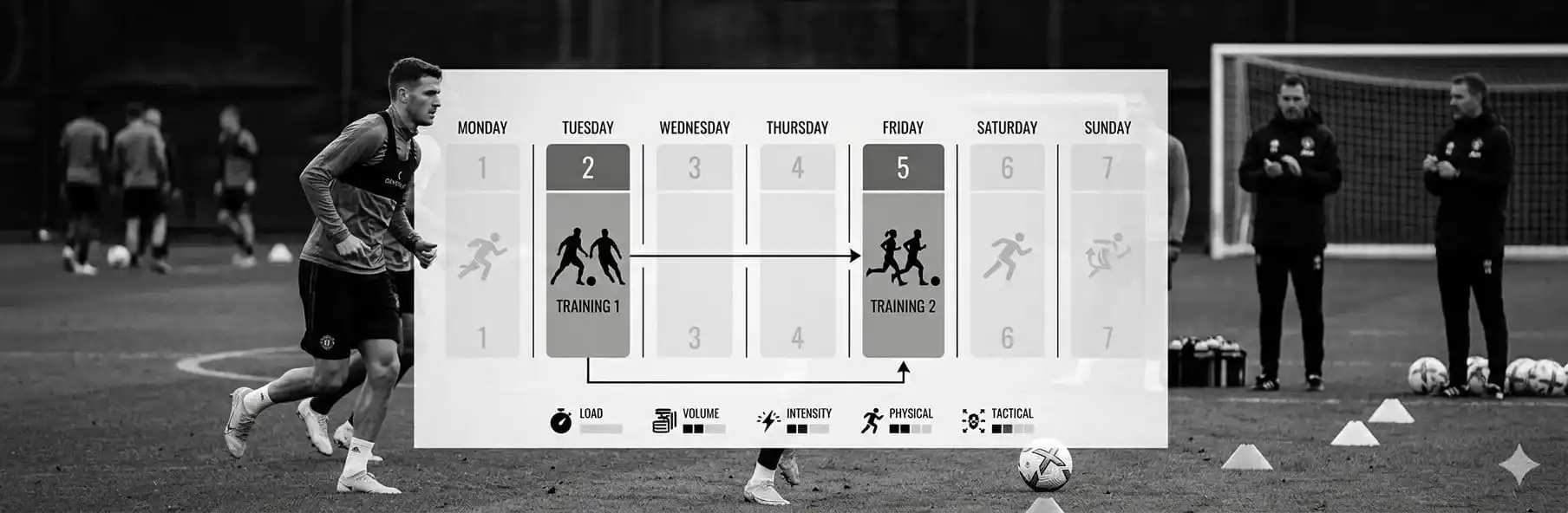
How to structure the weekly microcycle in football pre-season with only 2 sessions per week: load distribution, session objectives and a practical week template.
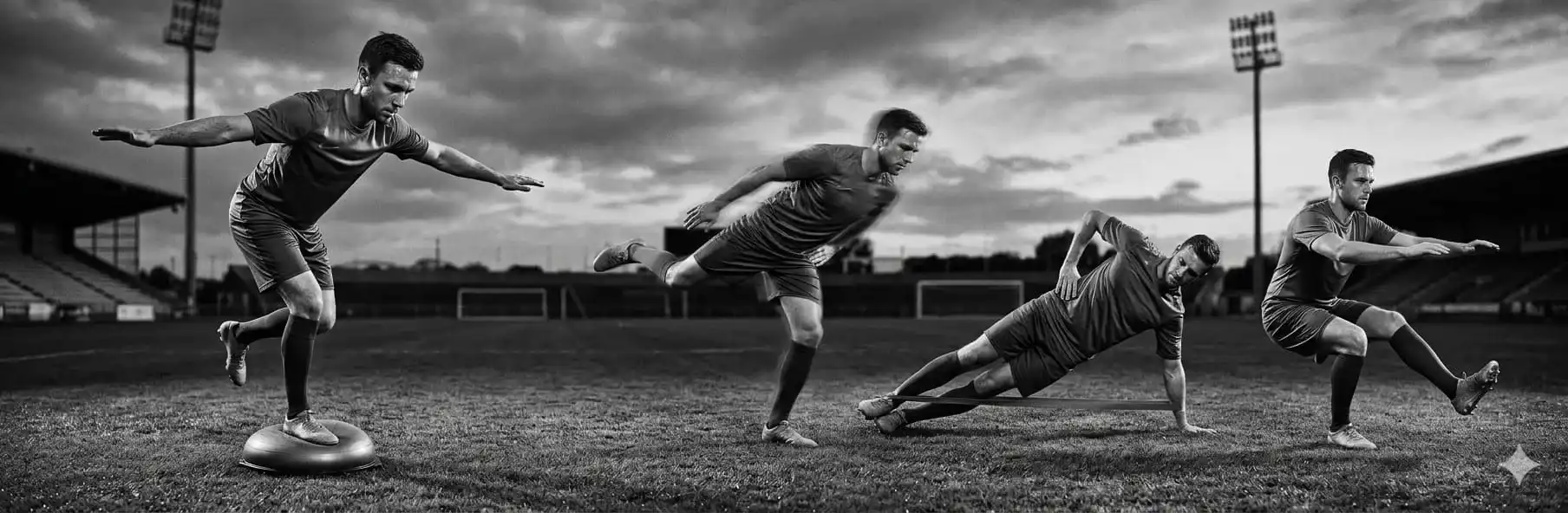
Practical injury prevention protocol for football pre-season: readaptation phases, proprioception drills, load management and warning signs to monitor throughout preparation.
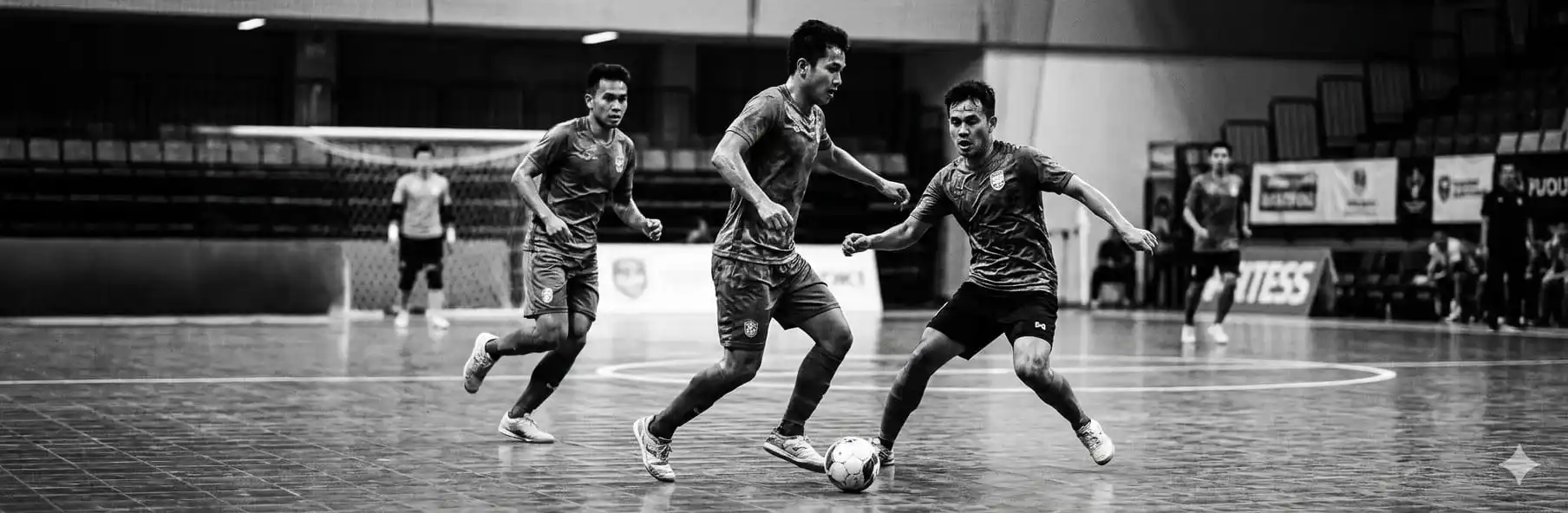
How to create 2v1 and 3v2 numerical superiority in futsal: practical patterns from the 3-1 system, training drills and mistakes to avoid.
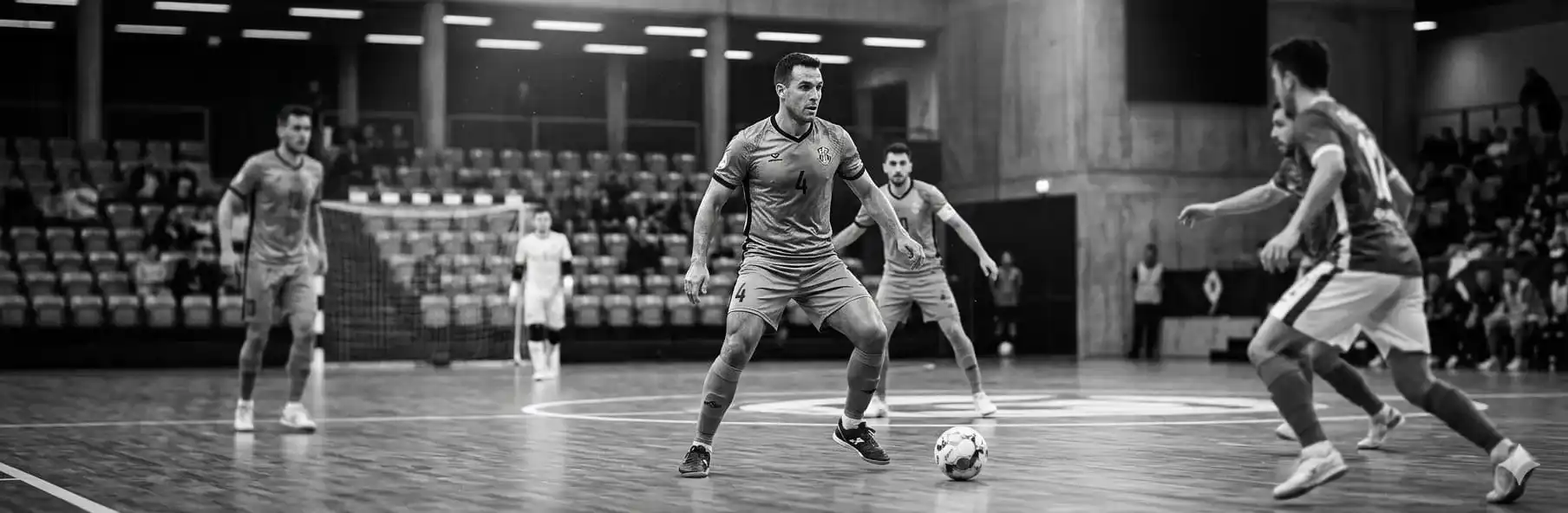
Complete guide to the fixo's role in modern futsal: 4 essential functions, positioning by phase of play, and common mistakes when developing this position.
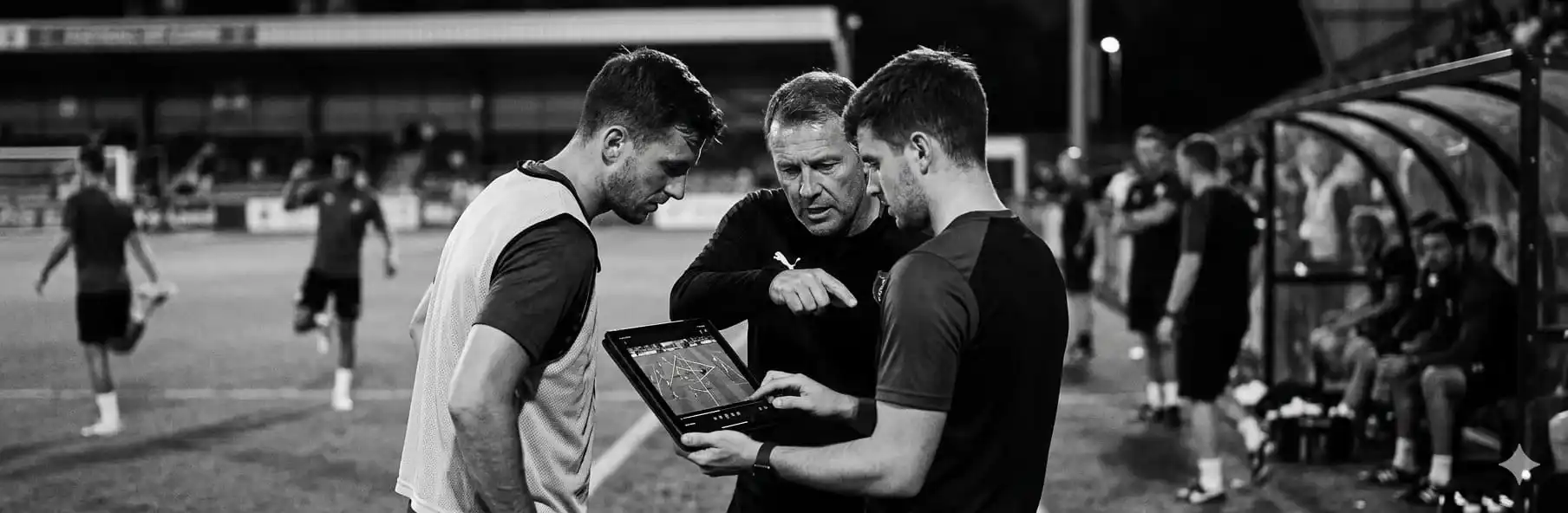
How to use video analysis in pre-season football friendlies: collective indicators, errors to identify and how to turn footage into tactical decisions before matchday 1.
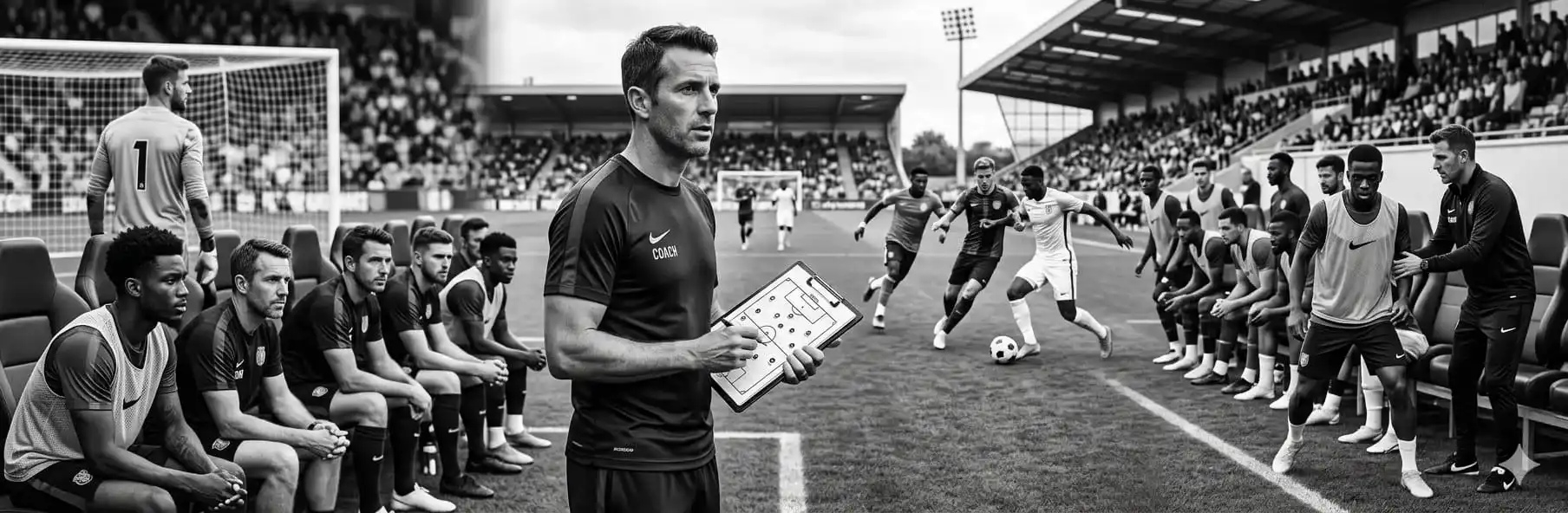
How to manage squad selection in football pre-season friendlies: minutes distribution, evaluation criteria and how to balance opportunities without compromising the squad.
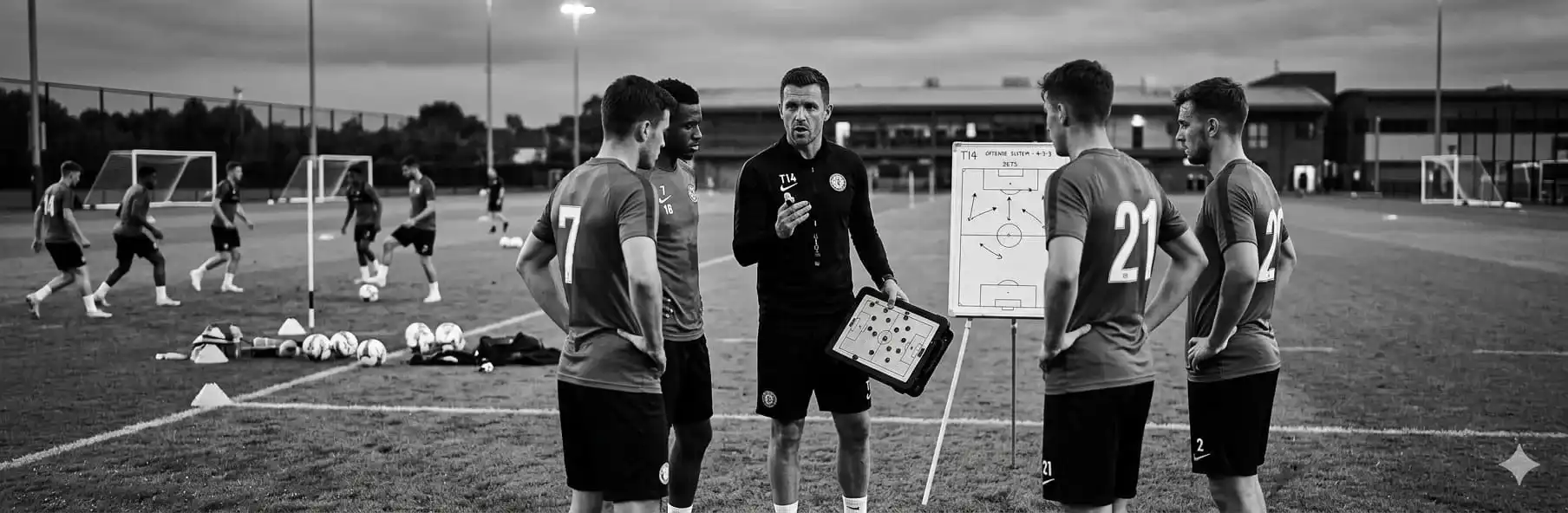
Practical guide for installing a football tactical system during pre-season. Introduction sequence, reference drills and mistakes that cost weeks of training time.
How to use football pre-season to build group cohesion, competitive mindset and team identity from the very first training session, without empty motivational speeches.
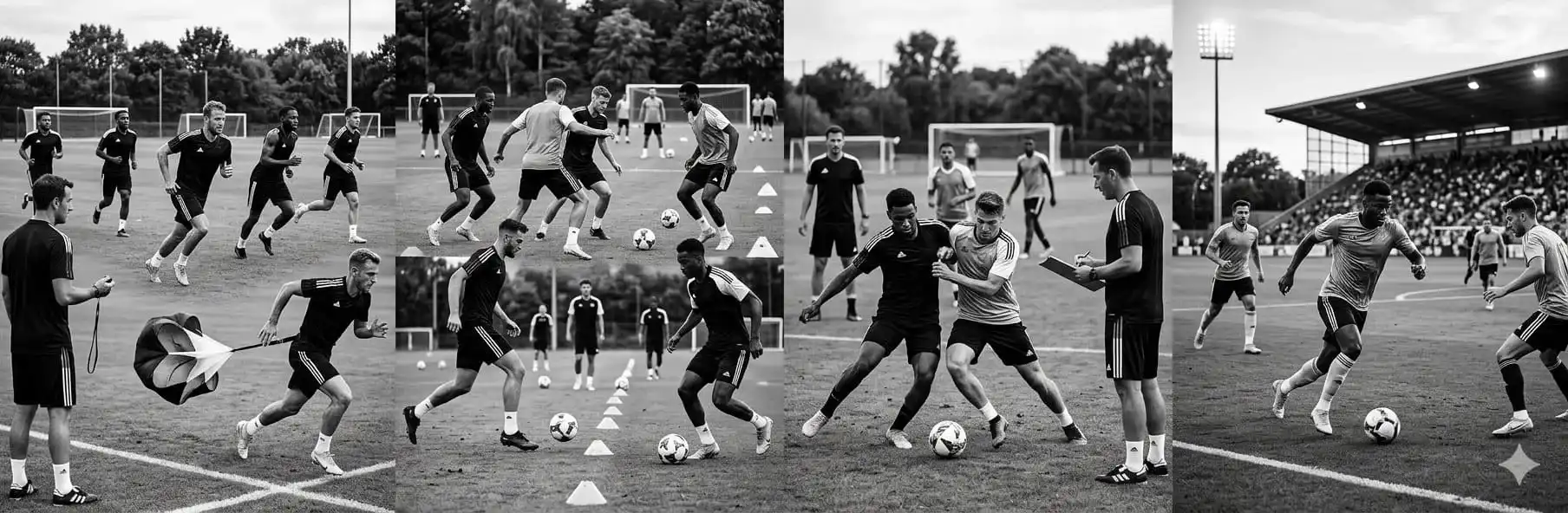
How to structure pre-season periodisation in 4 progressive phases. Load management, RPE and methods to arrive at peak condition for the first competitive fixture.
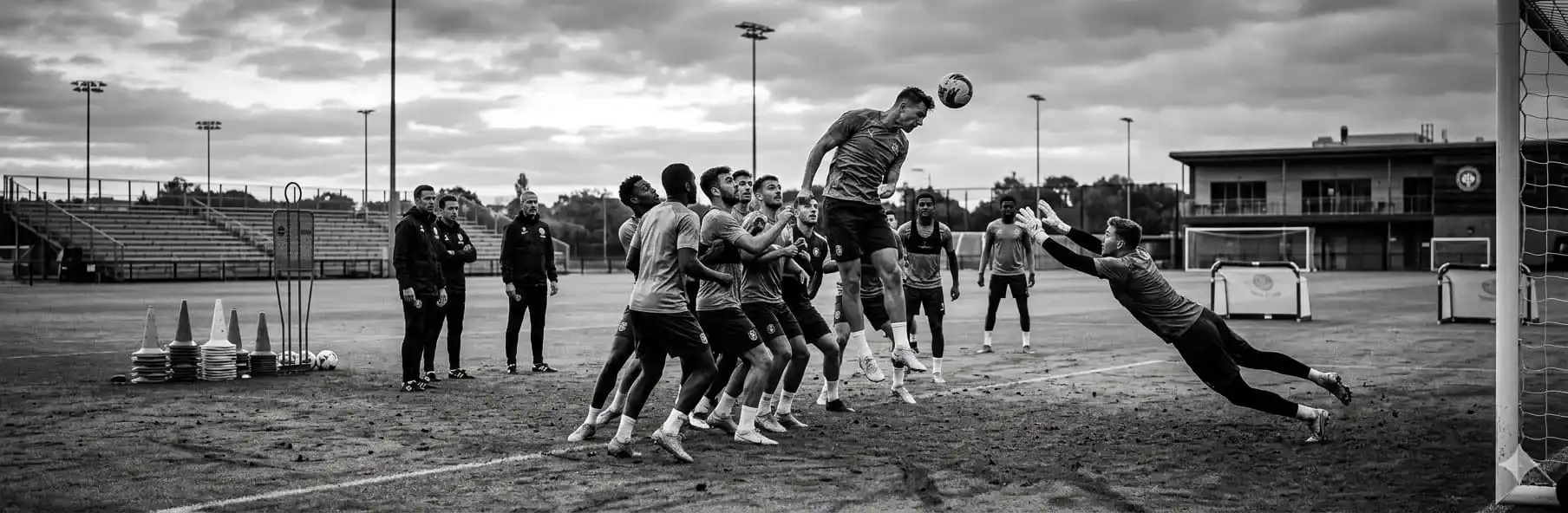
How to integrate set piece training into football pre-season: corners, free kicks, penalties and how to structure specific sessions before the start of competition.
Objective criteria for evaluating players during football pre-season: performance metrics, qualitative assessment and how to make squad decisions based on data.
Complete guide to planning a football pre-season in 4 phases: physical base, transition, specific work and tapering. From first session to first competitive match.
How to implement counter-pressing in futsal to recover possession immediately after losing it and create goalscoring situations. Full tactical guide.
Internal conflicts are inevitable in a futsal team. Learn to diagnose them early, intervene effectively and transform them into group cohesion.
The final minutes of a futsal match are decided before the final whistle. Learn to manage time with strategic timeouts, fouls and substitutions.
Complete defensive protocol for corners and kick-ins in futsal: organisation, marking, and transition to prevent goals from opposition set pieces.
In-match communication in futsal is a trainable skill. Learn to create a verbal and gestural signal system your team can actually execute under match pressure.
A proper futsal warm-up transforms how your team starts a match. Step-by-step guide with phases, timing and evidence-based exercises.
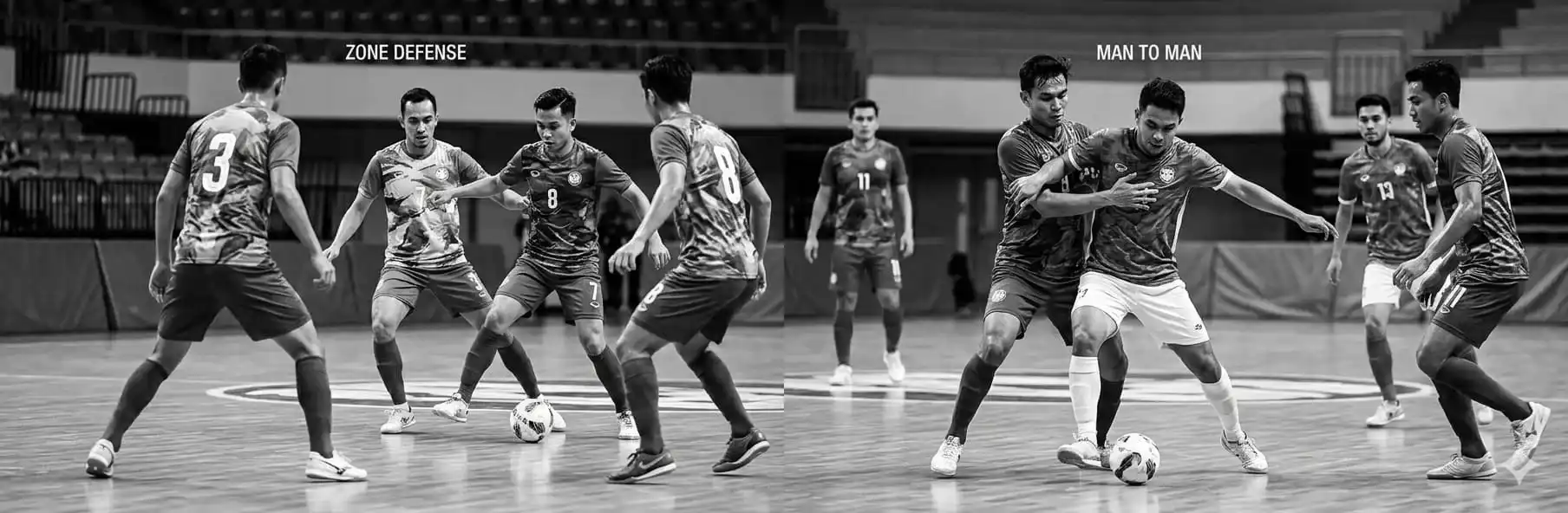
Zone or man-to-man? Learn when to use each defensive system in futsal, with advantages, limitations and clear in-match decision criteria.
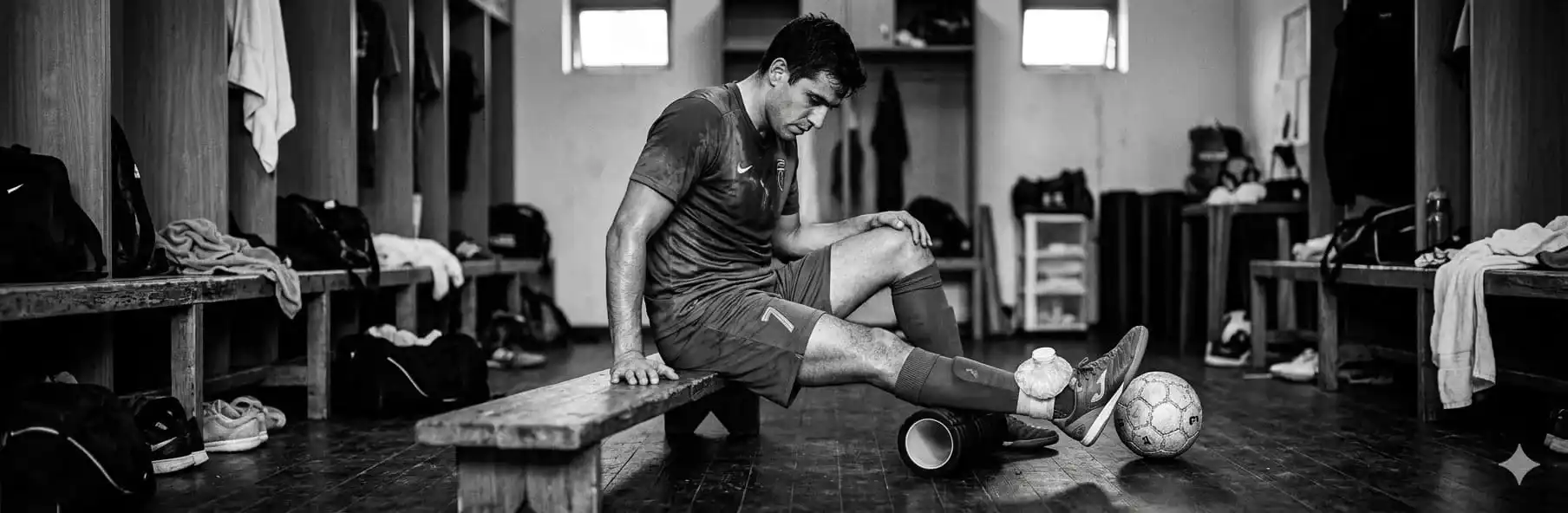
A structured futsal post-match recovery protocol across 4 time windows: immediate nutrition, muscle repair, sleep, and active recovery on the day after. Avoid the most common mistakes.
Learn how to manage your futsal squad across a full season: playing time, individual communication, planned rotation and group cohesion over 30 matchdays.
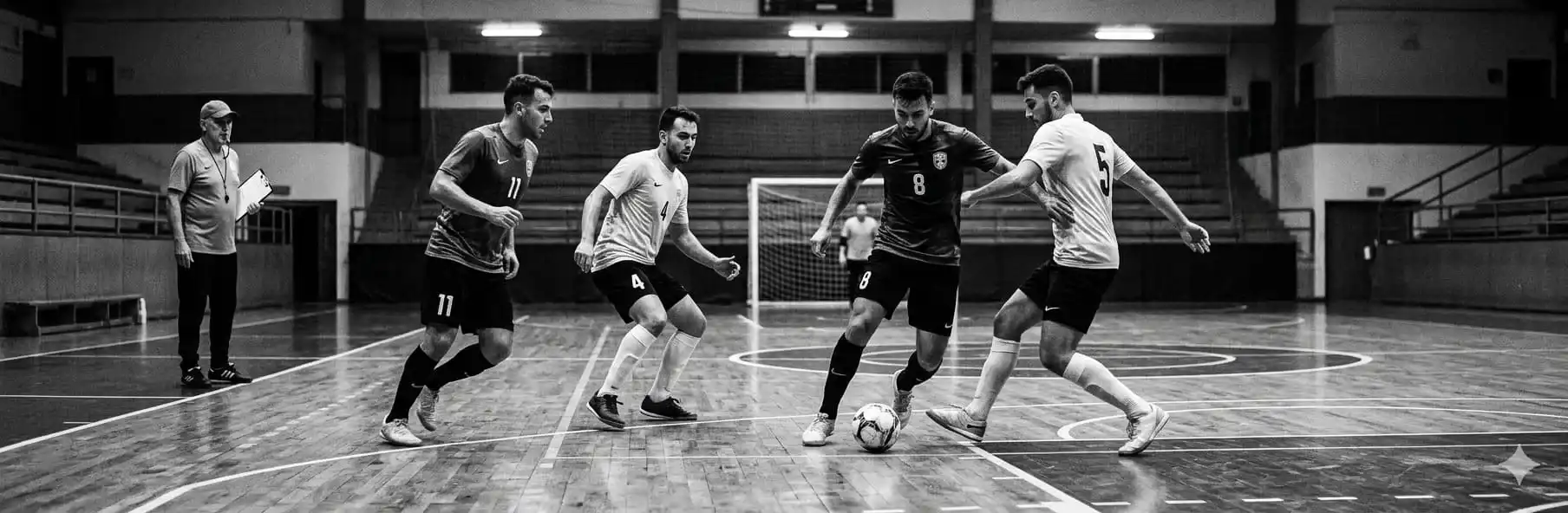
Learn how to design effective small-sided games for futsal to develop pressing, transitions and ball circulation. Practical guide with 3 examples and checklist.
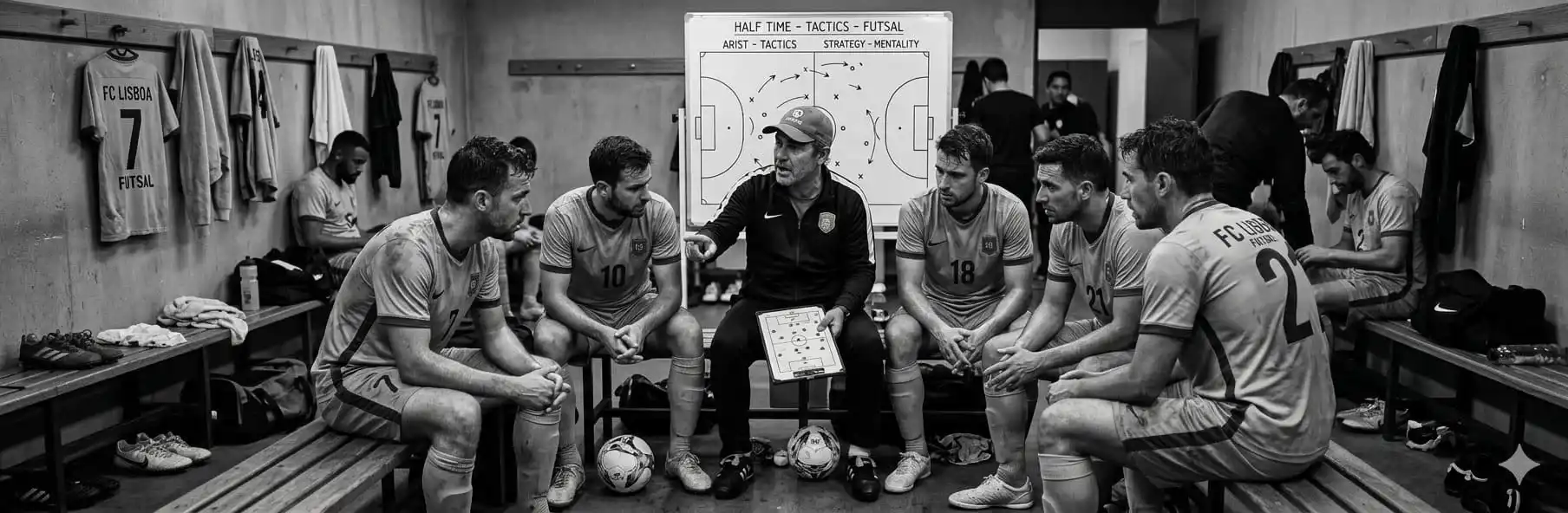
Learn how to structure the halftime interval in futsal across 4 practical phases to improve second-half performance and influence the final result.
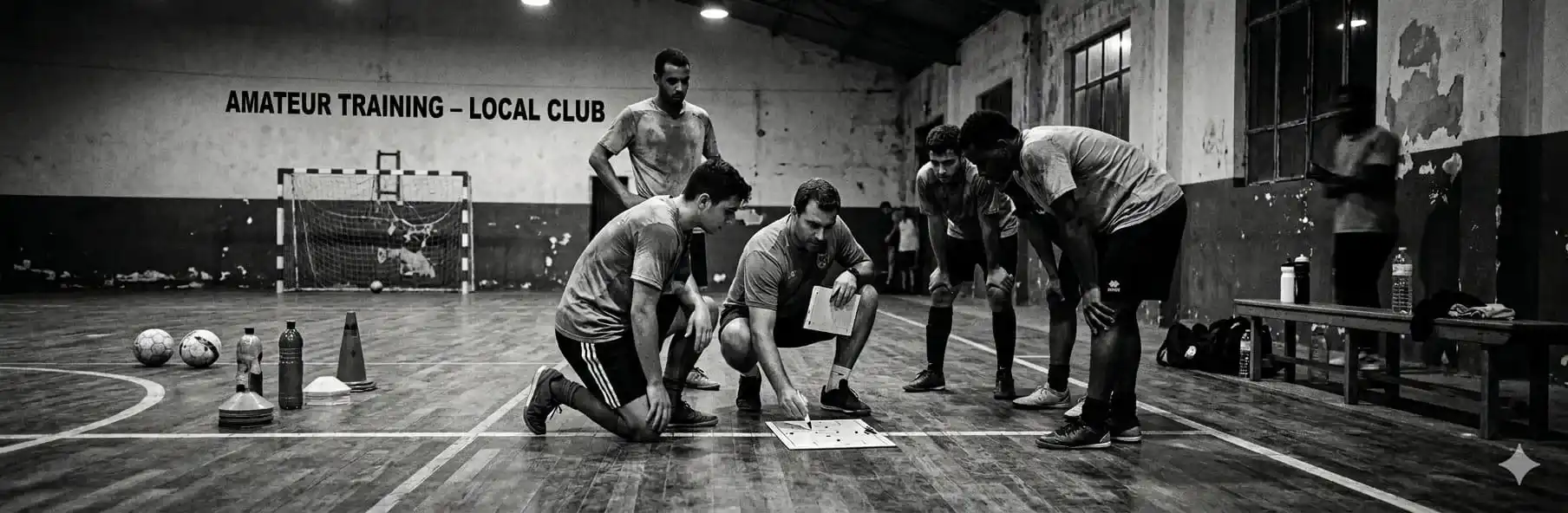
Learn to structure a full-season training plan for amateur futsal with 2 sessions per week, a competitive calendar, and limited resources. This guide spans from pre-season to playoffs.
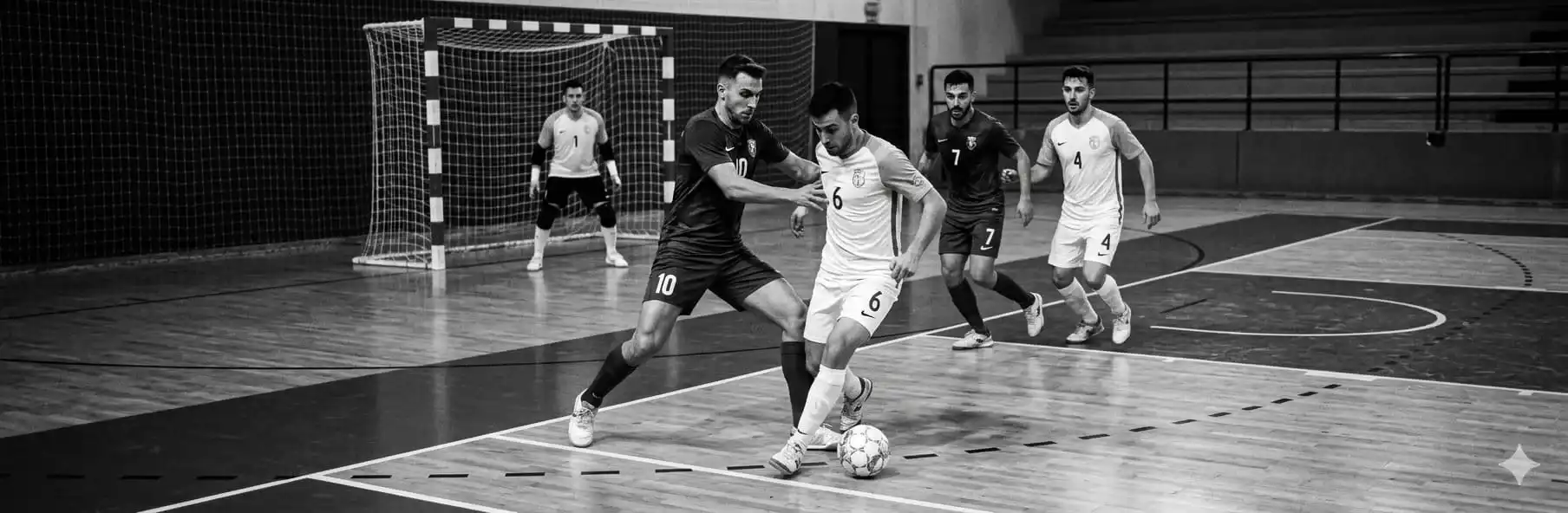
High press, mid-block or low block? Learn when to use each pressing system in futsal and how to adapt your tactics to the moment.
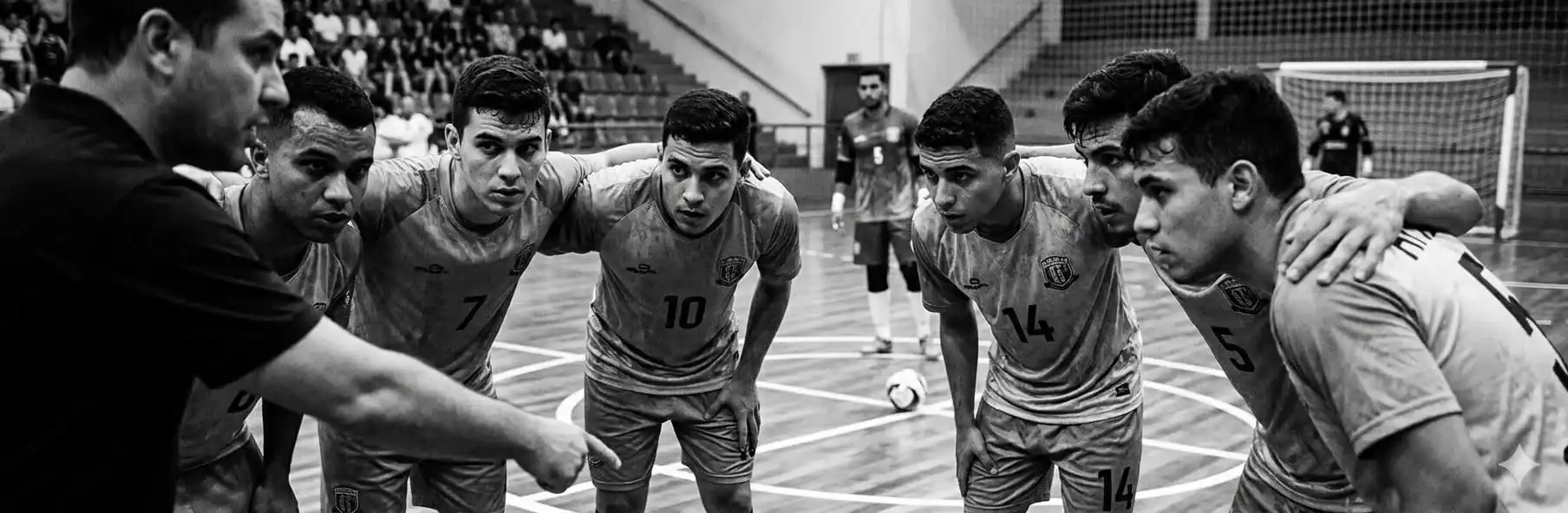
Your squad has the quality but freezes in the playoffs? Learn how to mentally prepare your futsal team for knockout stage pressure and decisive matches.
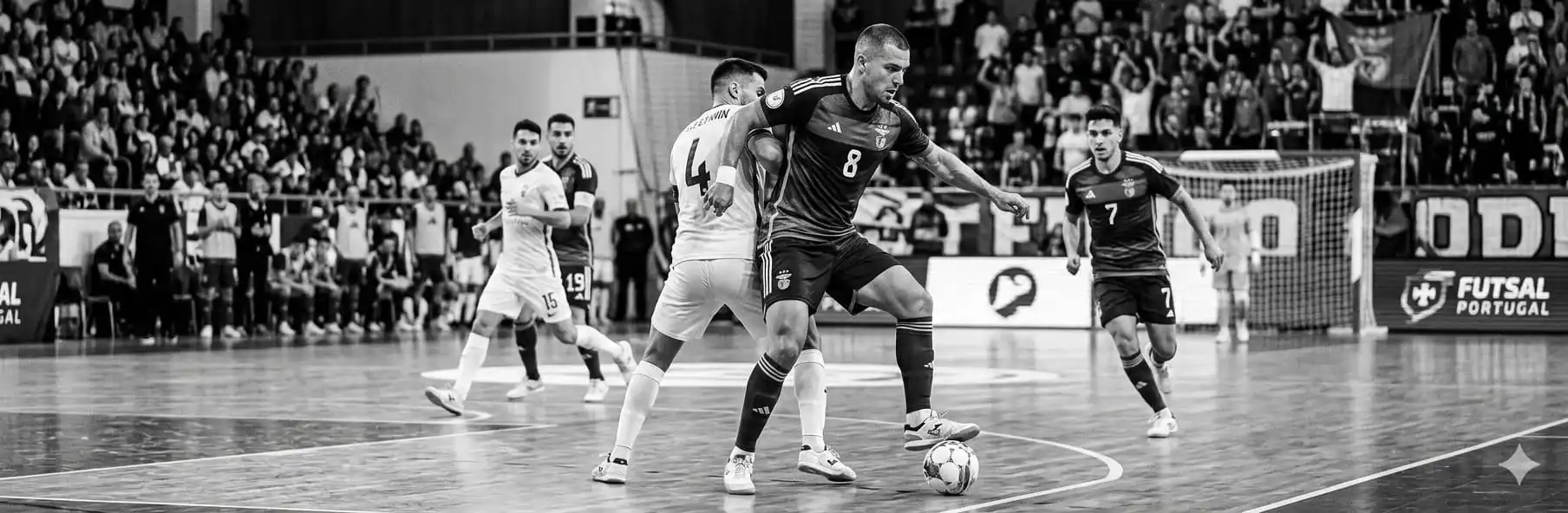
An underused pivot isn't a quality problem. it's a system problem. Discover how to use the pivot to create numerical superiority and unsettle organised defences.
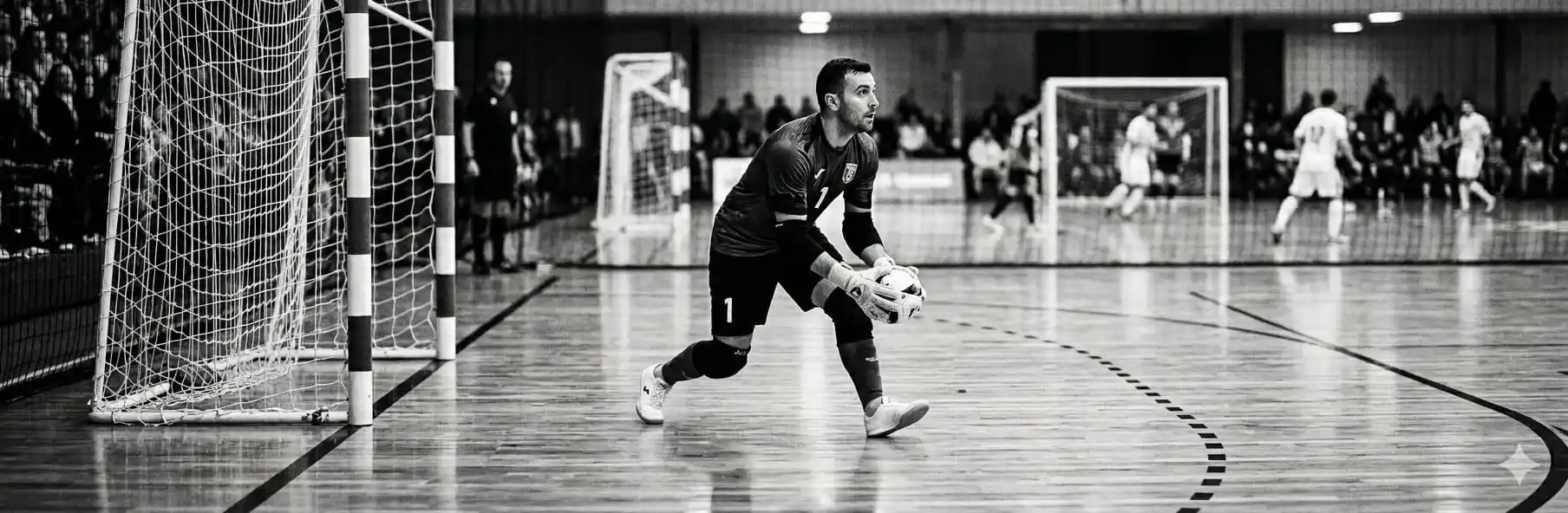
A complete guide to futsal goalkeeper statistics: traditional, advanced, and situational metrics. Move beyond saves and evaluate the keeper as a complete player in the modern game.
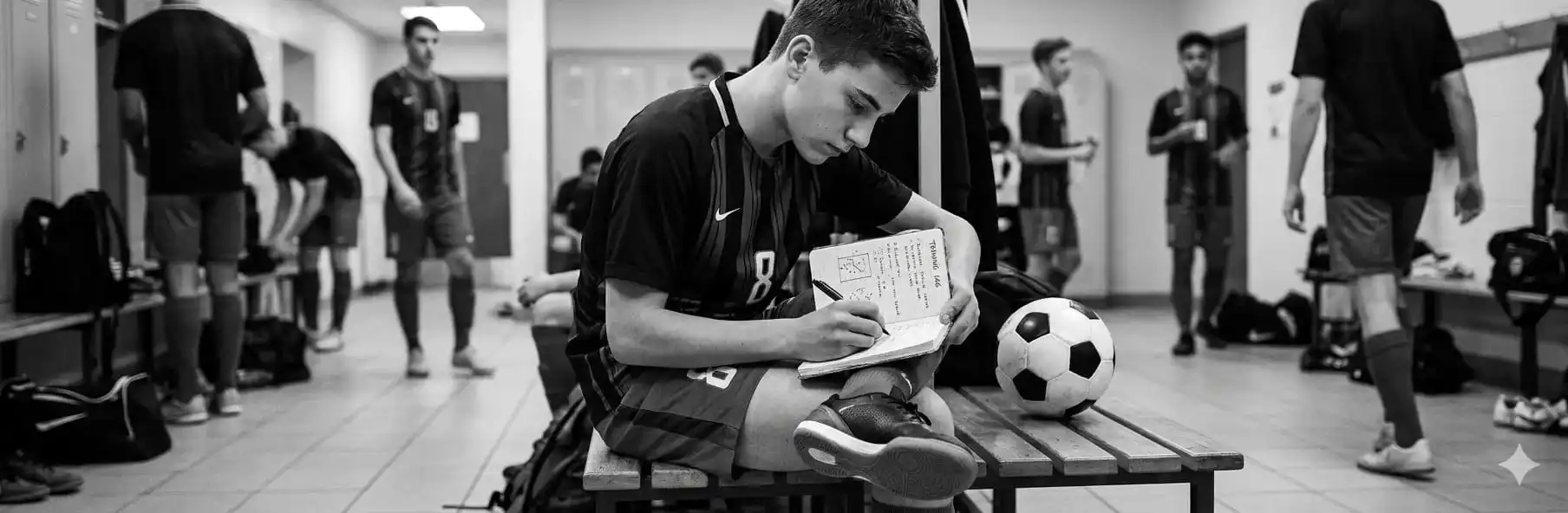
How the habit of writing a training diary accelerates tactical learning, focus and mental resilience in young futsal players. And how to implement this elite performance routine in youth development.
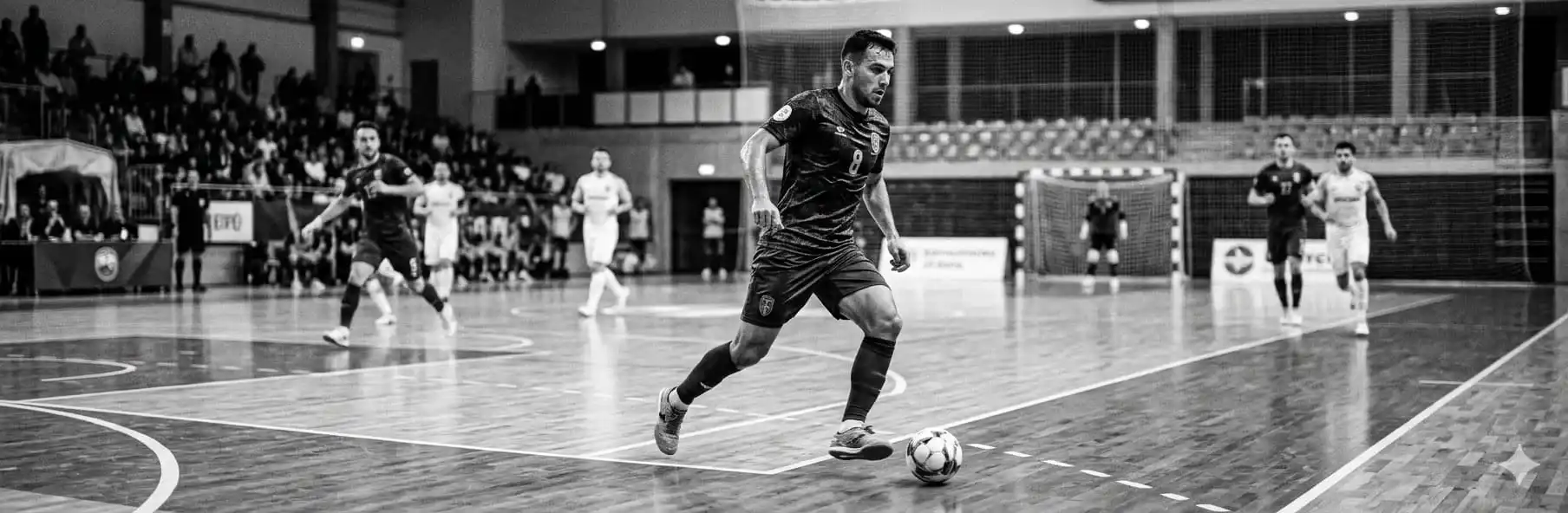
The modern futsal winger goes far beyond dribbling. Discover offensive and defensive roles, positioning across systems and the most common mistakes to avoid.
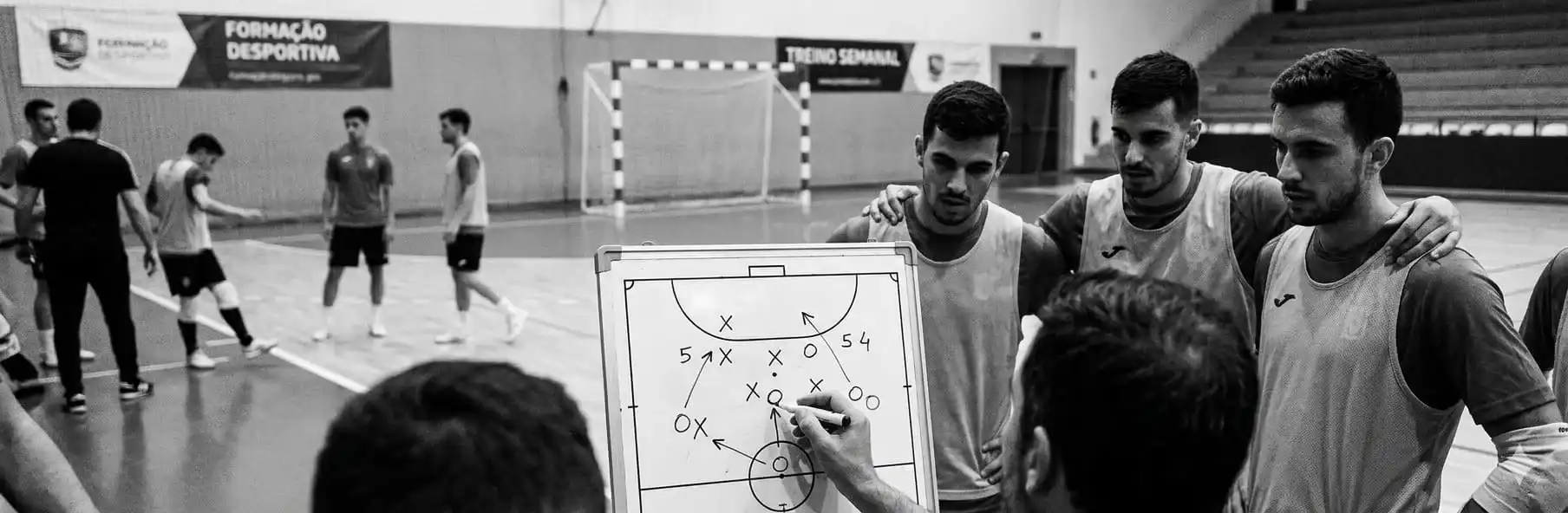
How to plan specific training sessions for defending the 5v4 with an outfield goalkeeper: defensive principles, specific drills and a weekly training structure to build automatisms in numerical inferiority.
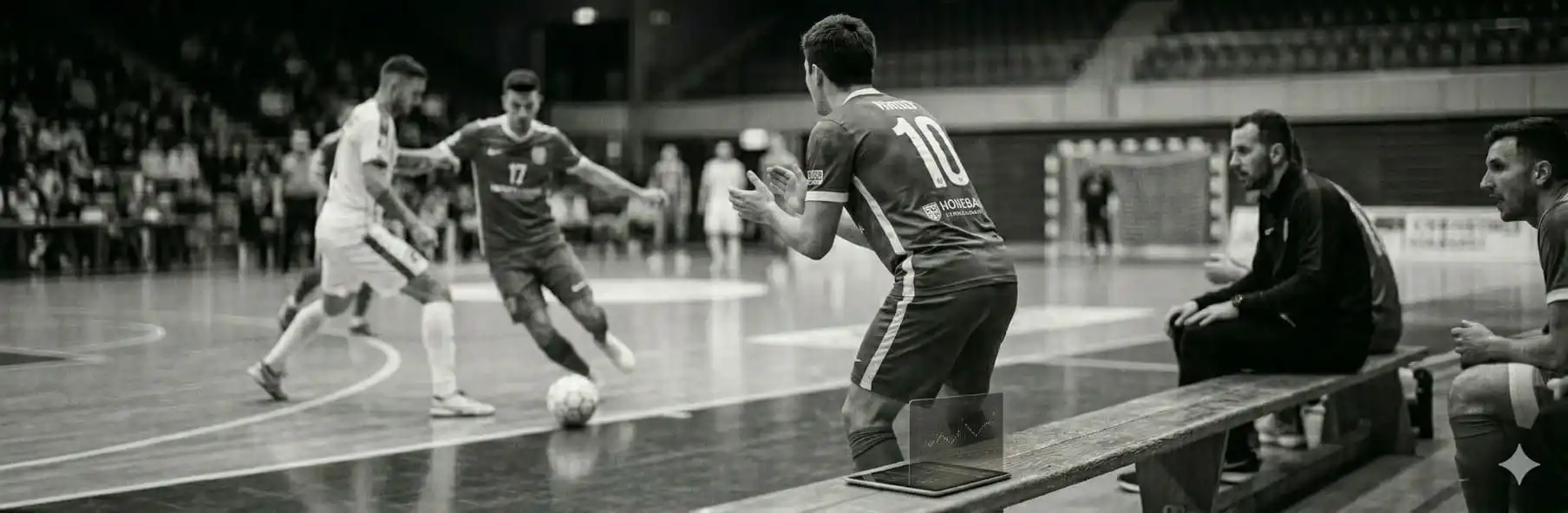
How data-driven leadership eliminates the sense of injustice in futsal bench players: strategies for keeping the squad motivated using training metrics and objective feedback.
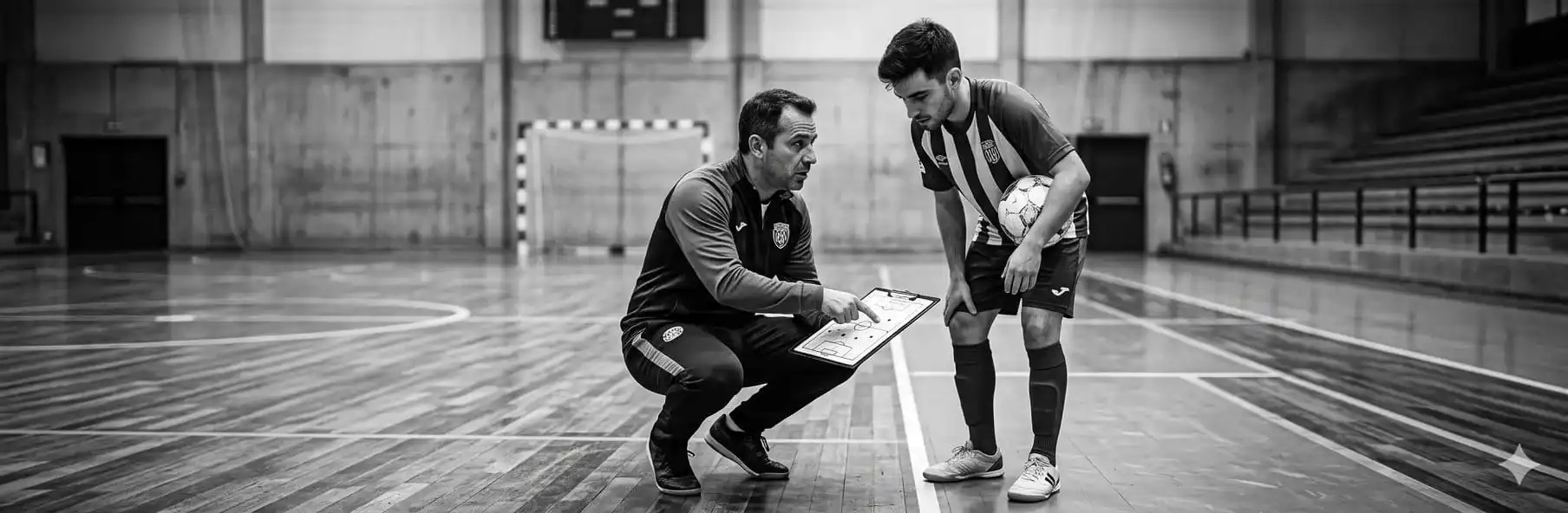
How to analyse and correct the tactical errors of the futsal libero: the visual cues they must read, the most common decision-making errors and how to record individual data to accelerate correction.
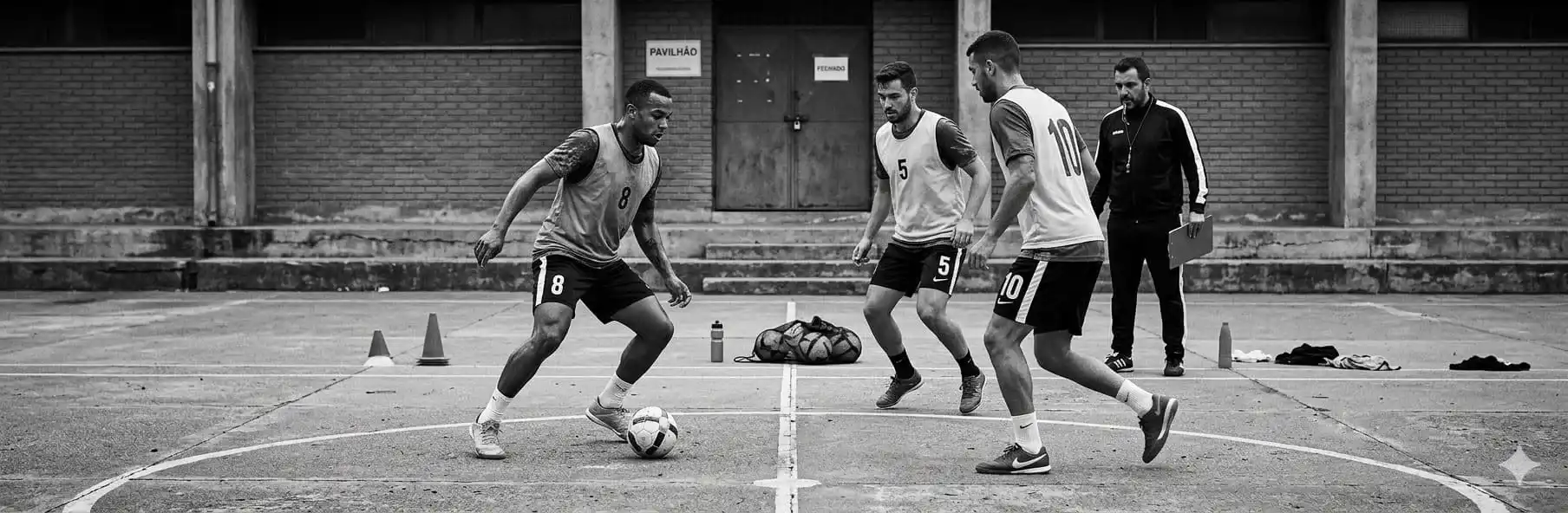
A complete pre-season futsal plan for amateur teams with limited gym/court access: 4 weeks of physical preparation, strength and conditioning outside the gym, integrated with tactical training.
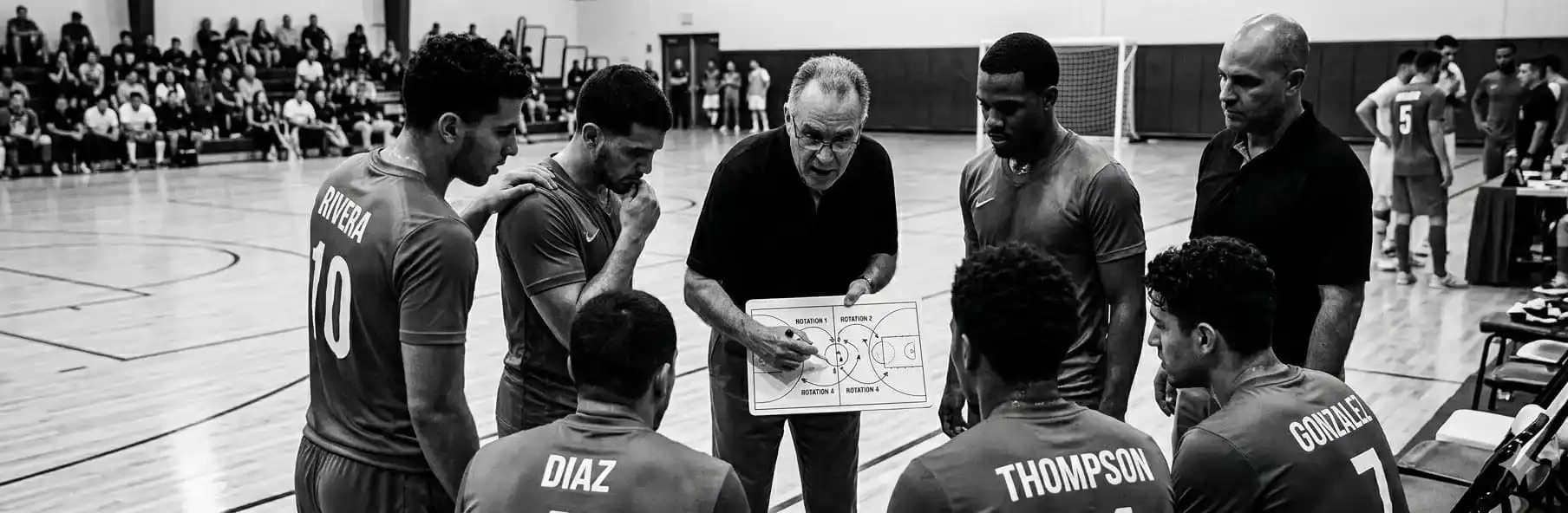
Learn to plan futsal quartet rotations to maintain match intensity: structuring minute blocks, predicting substitutions based on detected fatigue and managing the bench without losing competitive level.
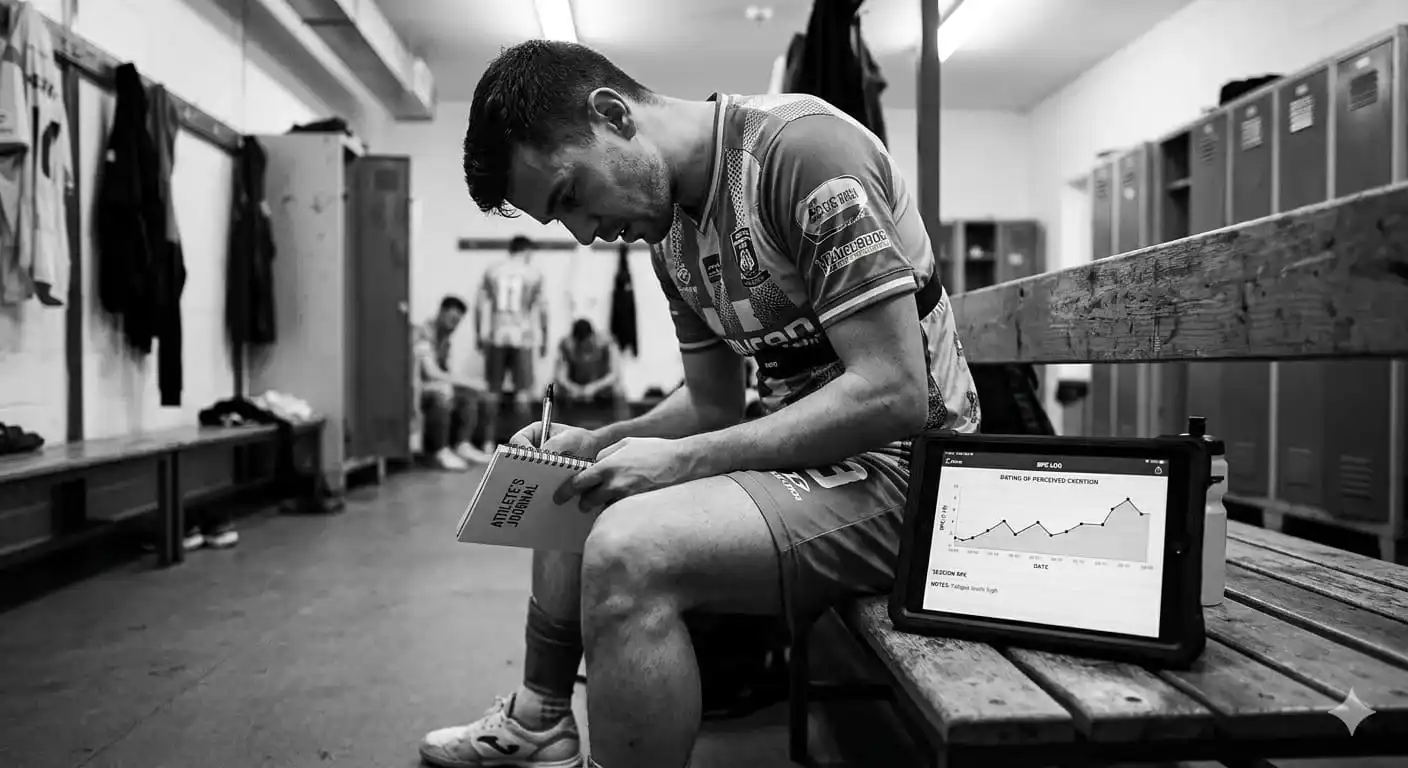
Learn to use the RPE scale and athlete diary to monitor internal load in amateur futsal, detect chronic fatigue signs and optimise recovery, no GPS required.
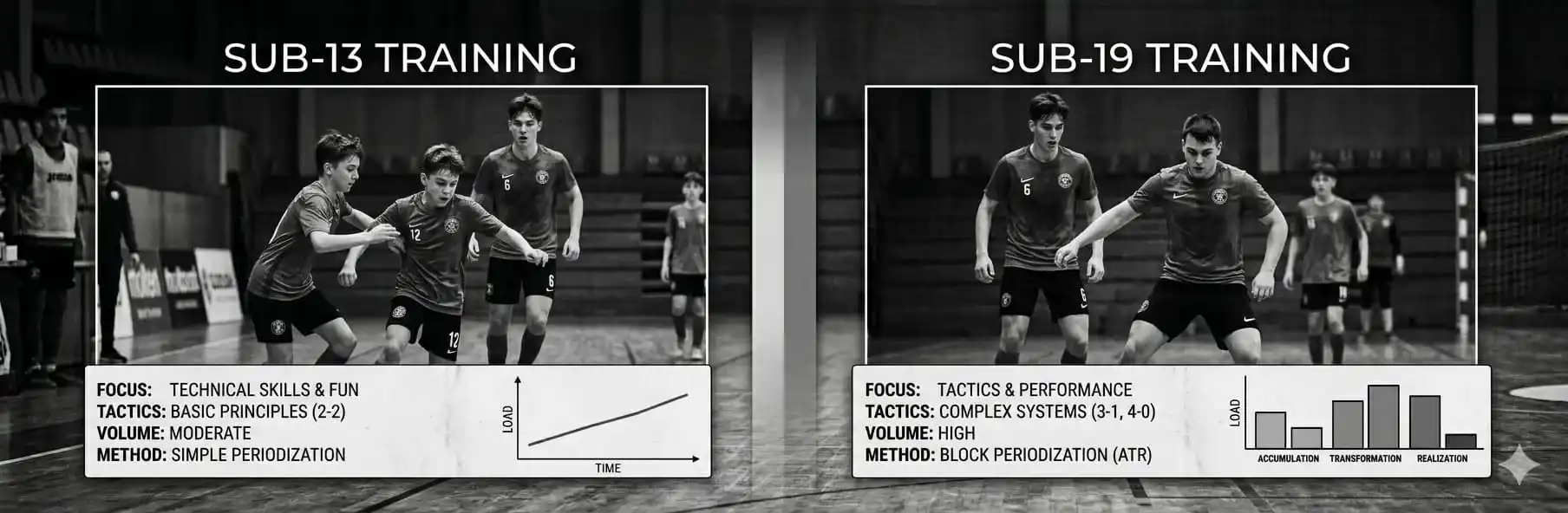
A complete guide for technical directors structuring the annual youth futsal plan: what technical, tactical and physical content to prioritise at each age group, from Under-13 to Under-19.
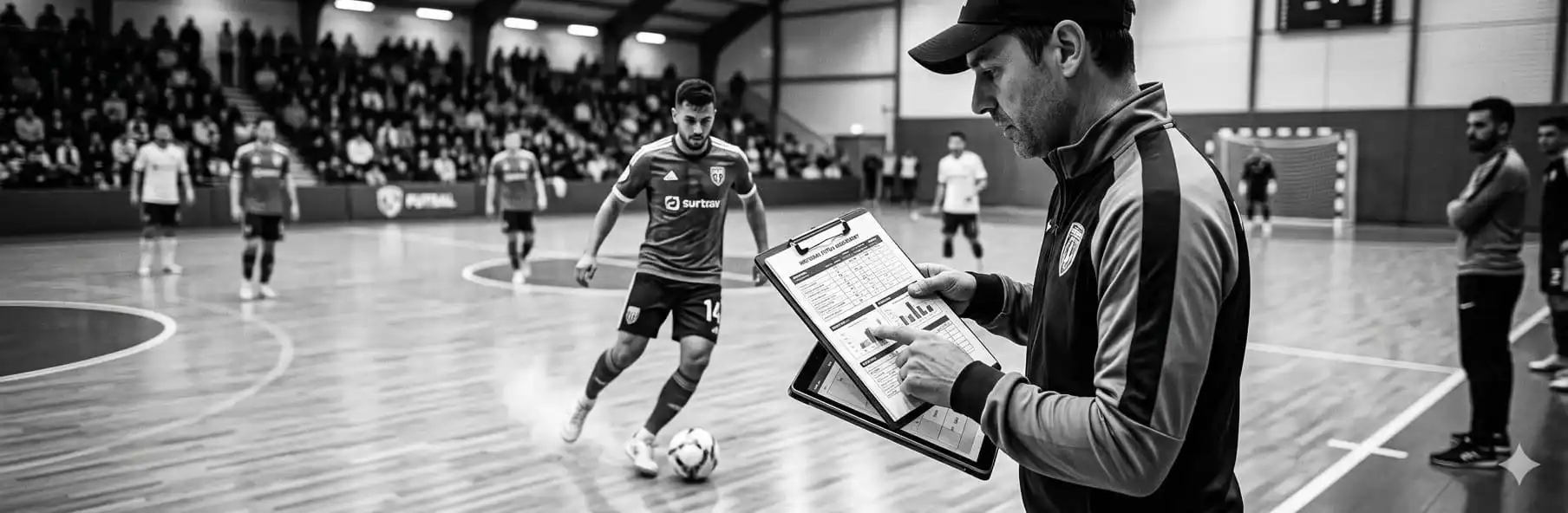
A complete guide to creating and using a futsal individual assessment card: technical, tactical and psychological parameters to monitor athlete development throughout the season.
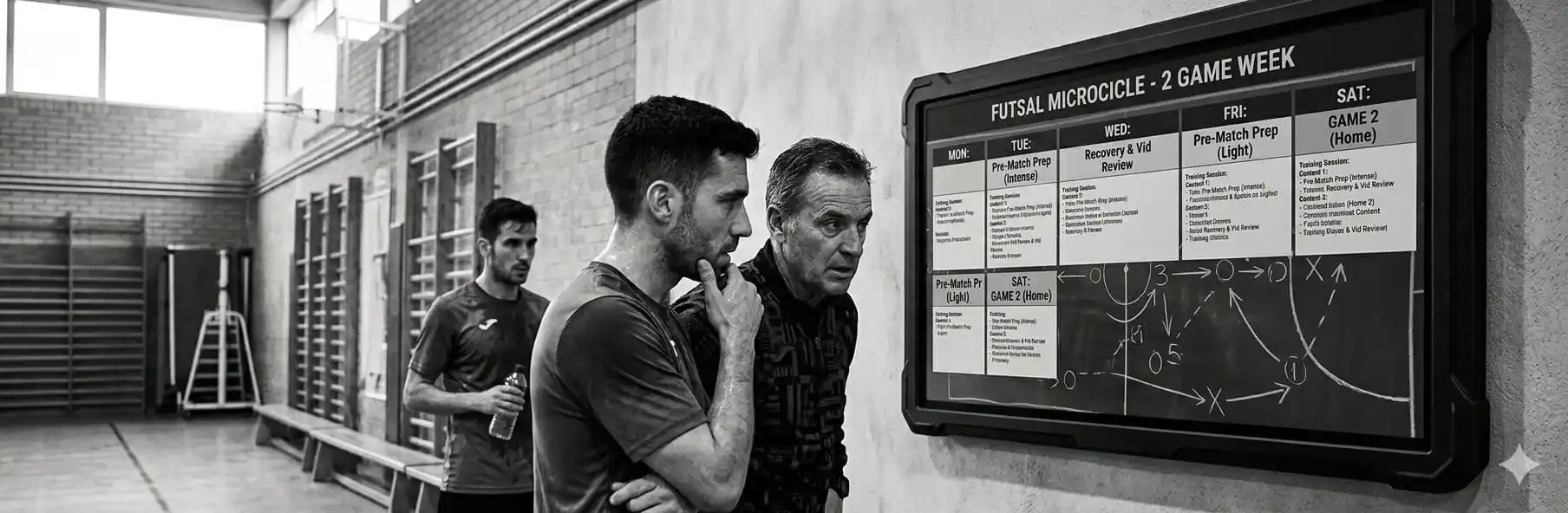
Learn how to structure your futsal training microcycle during double matchweeks: how to split sessions between recovery, tactics and pre-match activation without burning out your squad.
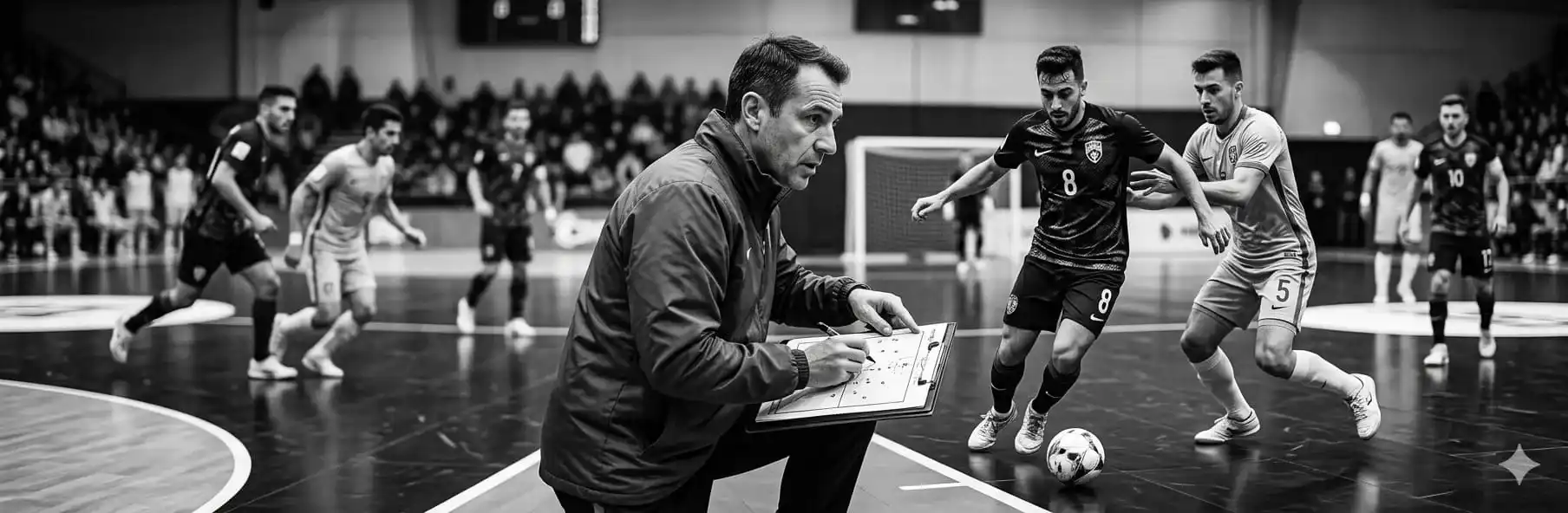
Practical scouting guide for amateur and youth futsal: how to observe and record your next opponent's offensive patterns with a focus on corners, the pivot and pressure exits.
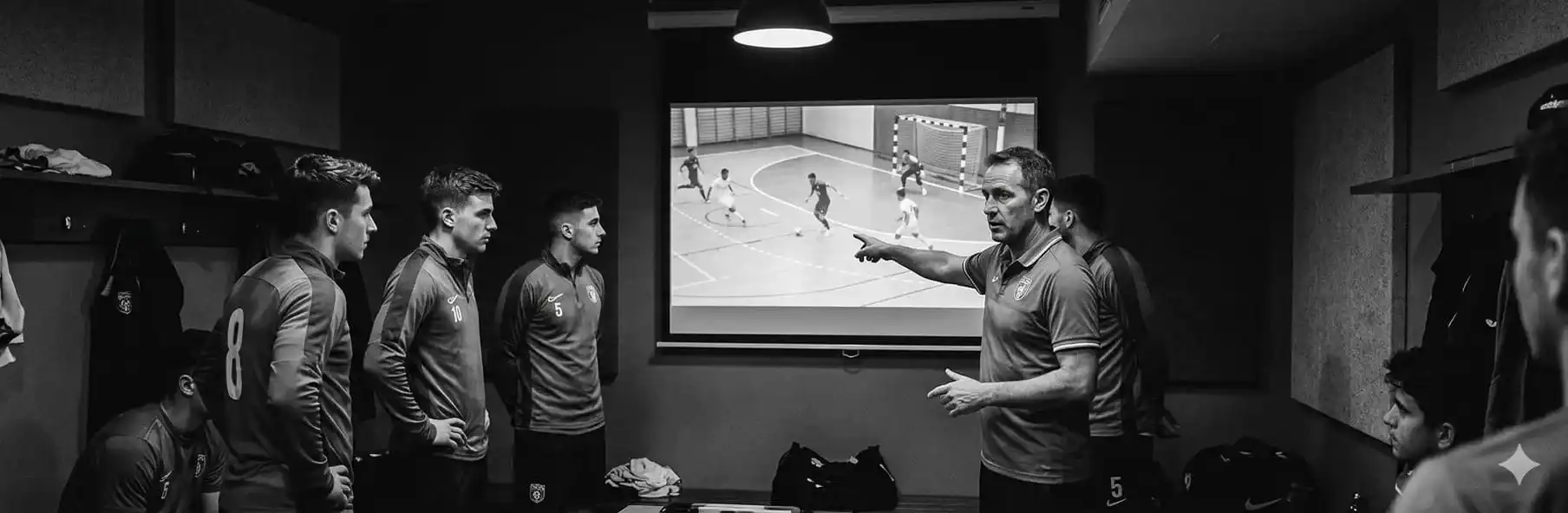
Practical guide to video analysis for futsal coaches: how to select the right clips, how long to show and how to structure the video session for maximum player learning.
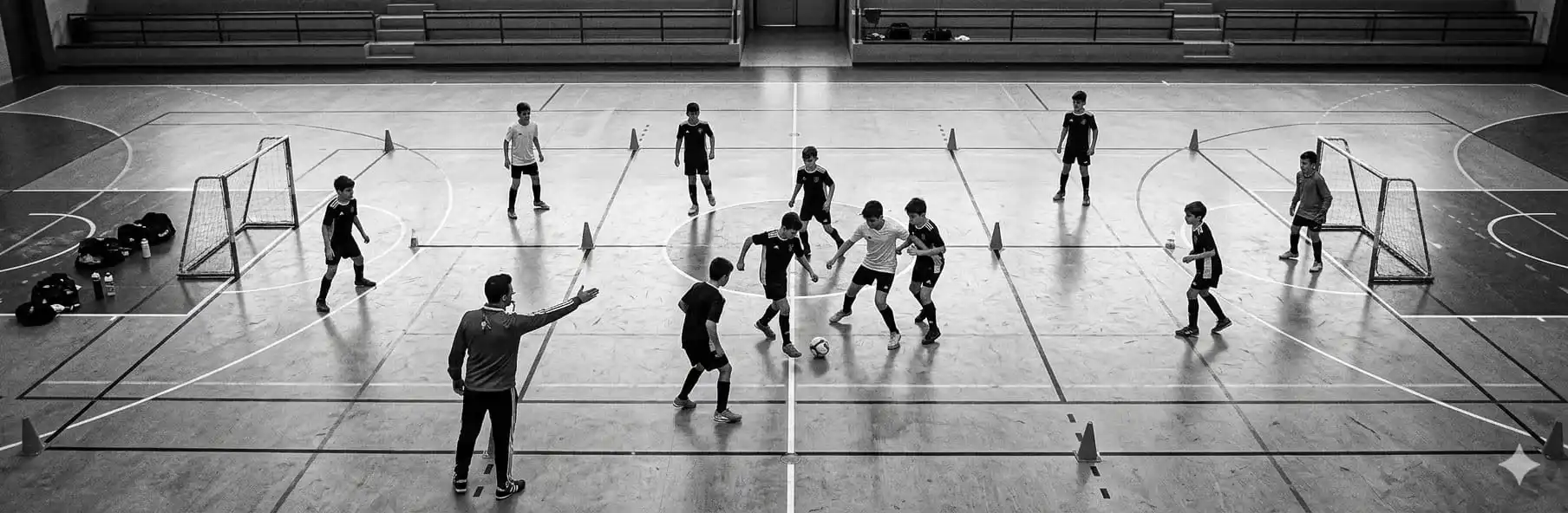
Practical guide for academy coaches: how to divide the sports hall, set up training stations and create futsal drills adapted to Under-13 and Under-15 age groups with clear pedagogical progression.
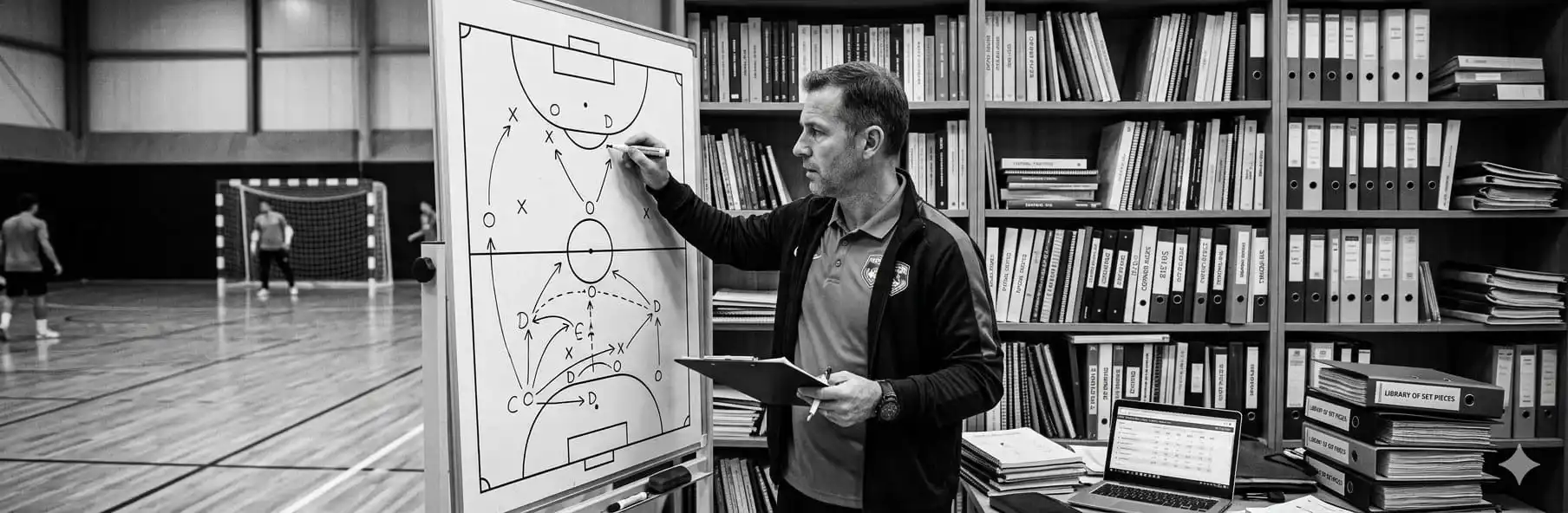
How to build a futsal set piece library using video analysis: cataloguing corners and kick-ins, organising by category and using your tactical idea bank to enrich your team's repertoire.
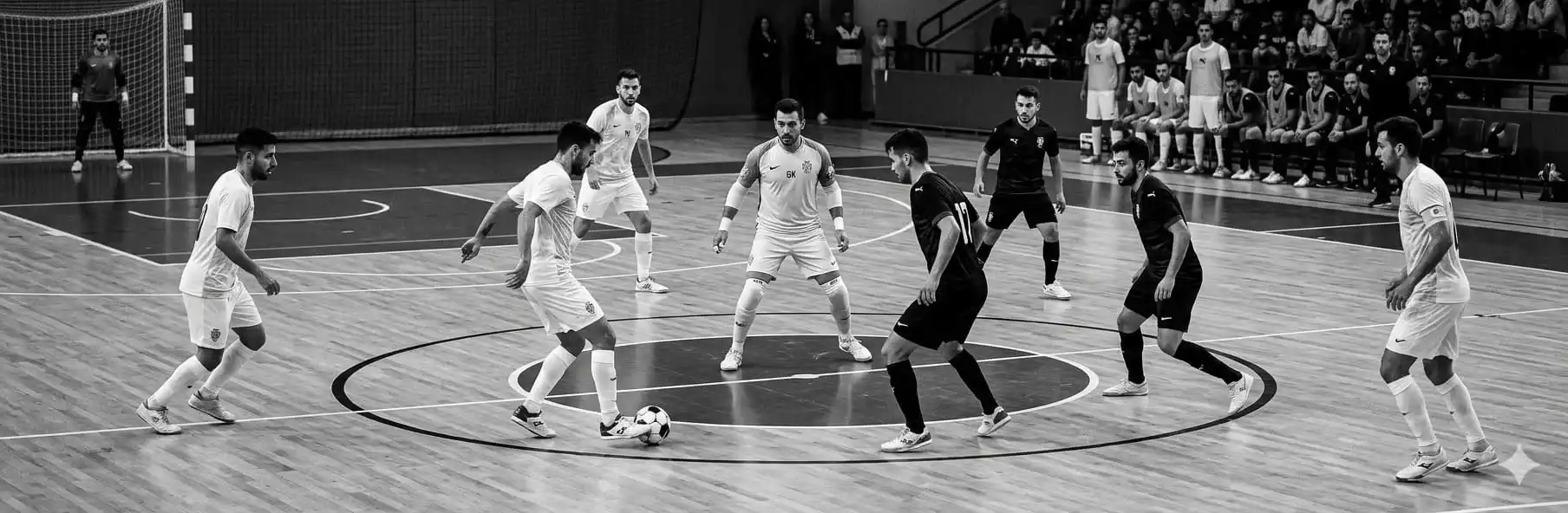
Complete guide to the 5v4 power play in futsal with outfield goalkeeper: positioning of the four attackers, passing lanes, timing the GK's advance and how the defending team should organise against it.
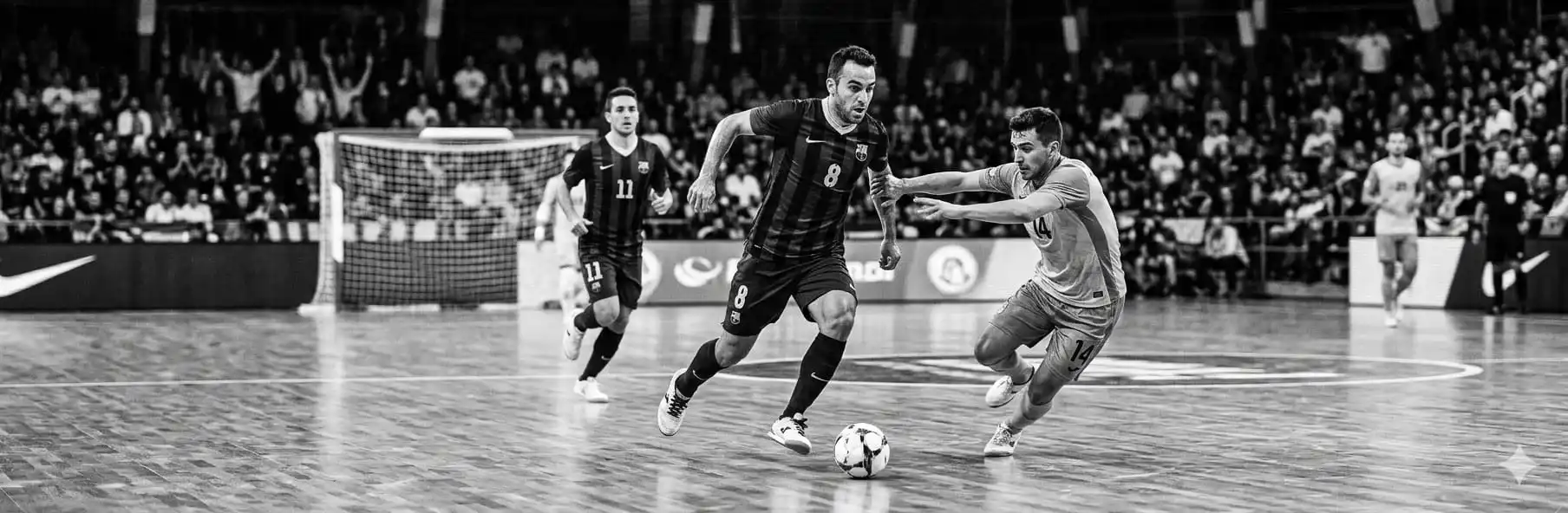
How to analyse fast transitions in futsal frame by frame to identify the exact decision moment, improve attacking effectiveness and reduce decision-making errors.
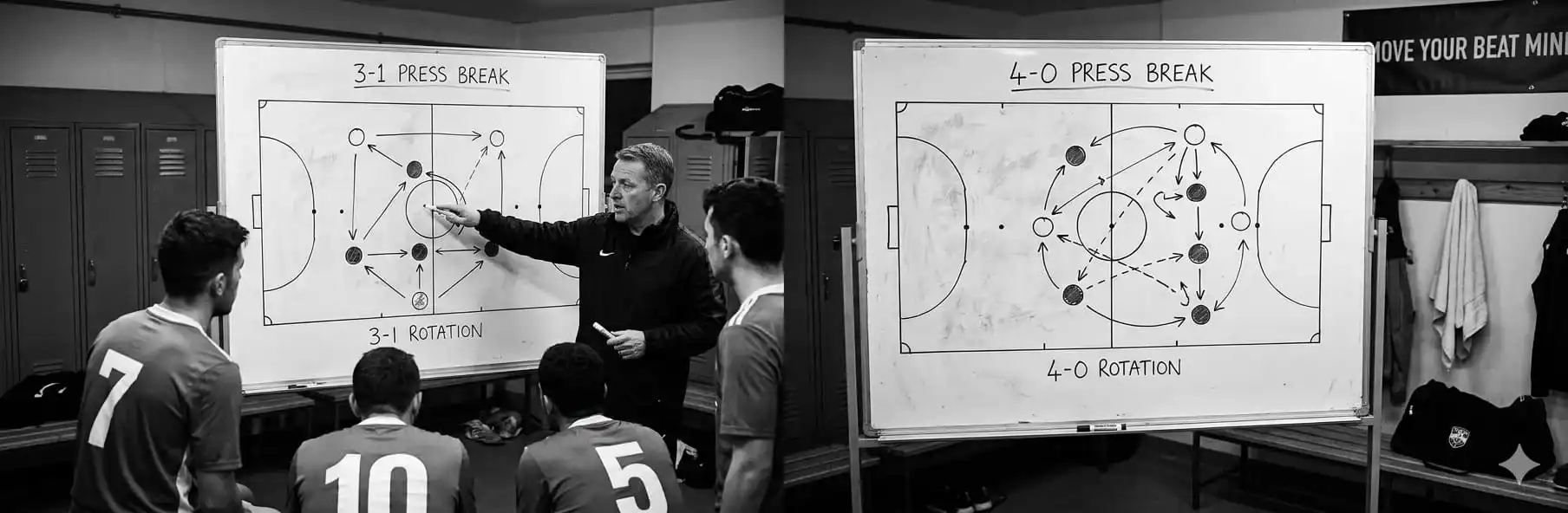
Learn the pressure exit routines for the 3-1 and 4-0 futsal systems, how to communicate passing lanes, support positions and escape routes clearly and effectively.
Master the principles of defensive transition in futsal to eliminate goals conceded on the counter. The three pillars of positional recovery are explained with direct practical application.
Learn 3 tactical moves to disorganise a zone defence in futsal: screens, diagonal runs and corridor overloads with direct application in training.
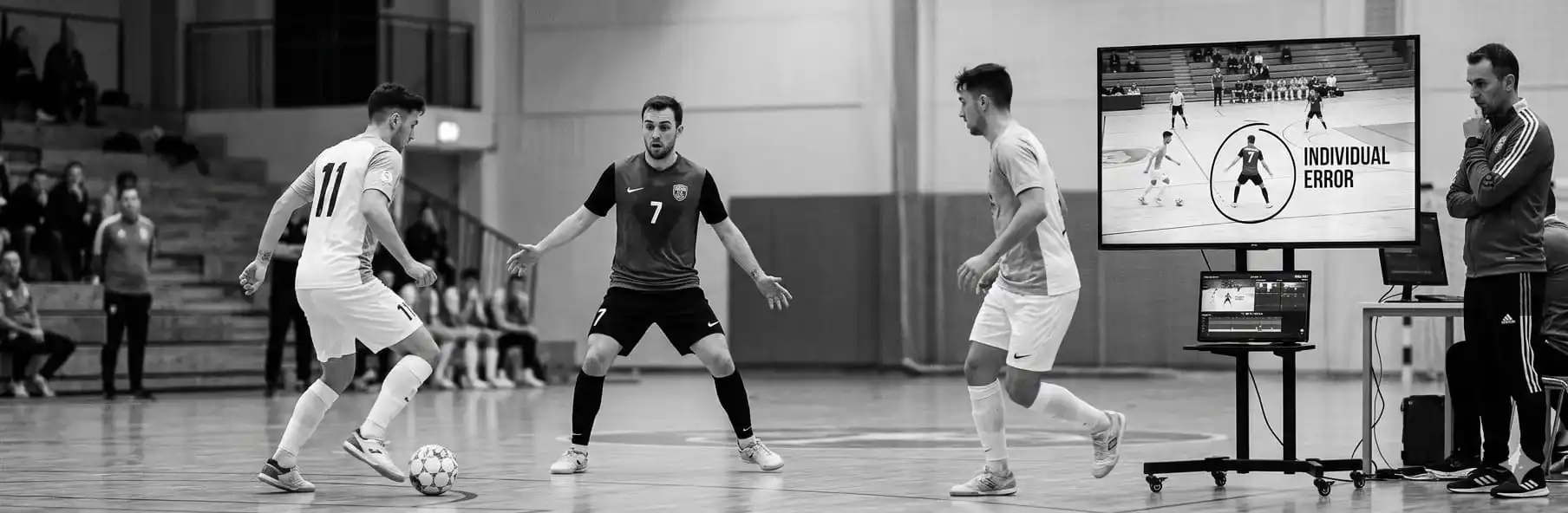
Identify the 4 most common winger errors in individual marking in futsal and learn how to use video analysis to correct them with precision and effectiveness in training.
Find out what to eat and drink before and after a futsal match to maximise performance, speed up recovery and arrive at your next training session at your best.
Learn how to manage player expectations around squad selection, communicate difficult decisions clearly and build a team culture that maintains cohesion beyond the starting group.
Learn how to use substitutions in futsal as an active tactical tool to maintain competitive intensity and exploit your full squad across both periods of play.
Discover the best finishing drills for futsal, how to structure them in training and what to measure to ensure your team converts more chances into goals.
Learn how to prevent the most common futsal injuries with proprioception exercises, muscle strengthening routines and activation protocols. A practical guide for coaches and athletes.
Discover the essential metrics to measure during a futsal match, how to collect data simply and how to use these numbers to make better tactical decisions.
Find out why the modern futsal goalkeeper is far more than a shot-stopper; how the 5v4 and pressure release have become decisive tactical weapons.

The difference between an athlete who grows and one who stagnates is not talent. It is the consistency of their routines. Discover how digital recording can transform intention into habit and habit into performance.
Learn how to design and execute effective corner kick and kick-in routines in futsal to create real goal-scoring opportunities and improve defensive organisation at set pieces.
Understand the differences between the 3-1, 2-2 and 4-0 systems in futsal, when to use each one and how to match your tactical model to your squad's strengths.
Find out which criteria scouts assess in a young futsal player, from technique and tactical intelligence to mental profile and behavioural attributes.

Your training data is more than statistics; it is the story of your effort. Learn how to turn numbers into personal milestones that fuel your motivation every day.
Discover the five universal metrics that any team sport coach should monitor to make data-driven decisions and improve team performance.
Learn how to calculate your daily protein needs accurately and discover how under-dosing can harm your performance and your gains, whatever sport you practise.
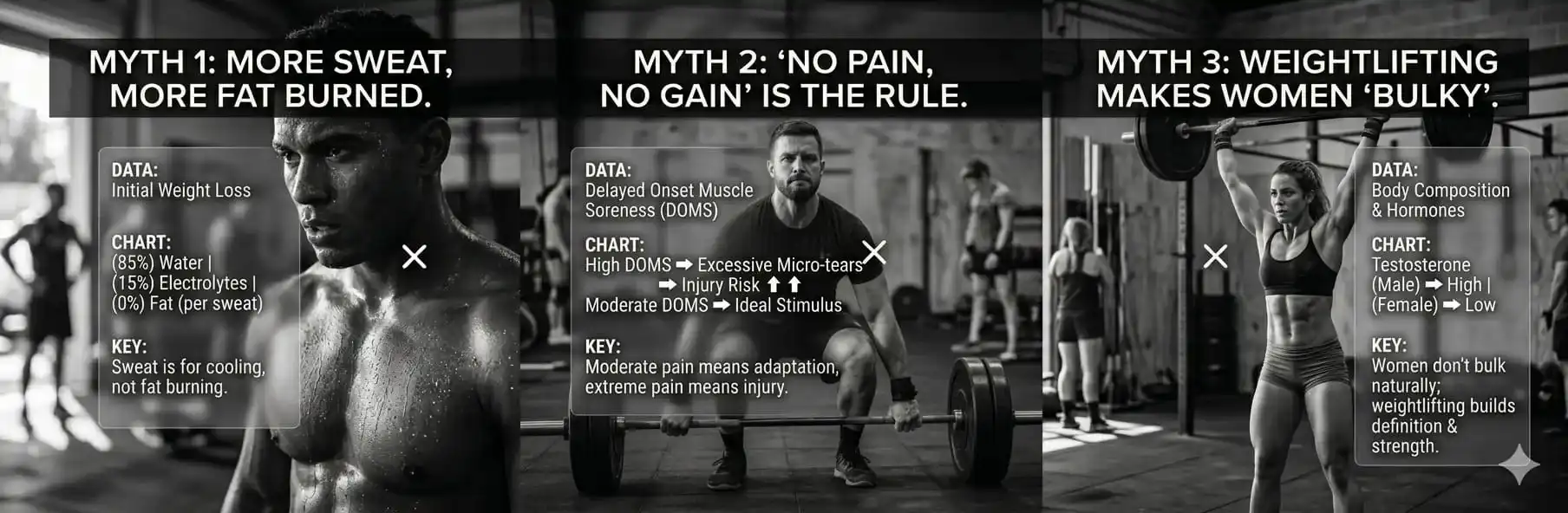
Science has disproved some of the most popular fitness advice out there. Discover the most common myths and what the data actually says about how the body works.

Learn how to calculate your sweat rate, understand the impact of dehydration on performance, and build a practical hydration strategy for training and competition.
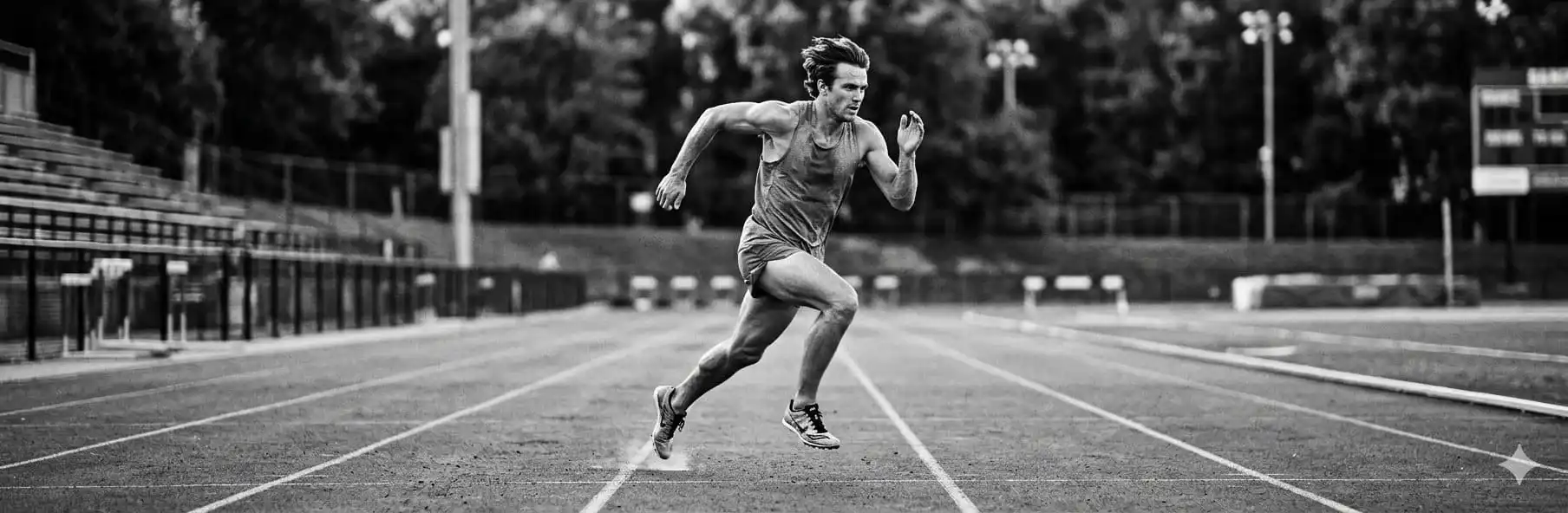
Magnesium and potassium are two minerals often overlooked by athletes, yet frequently the cause of cramps, fatigue, and declining performance. Discover what science says about the role of these electrolytes.
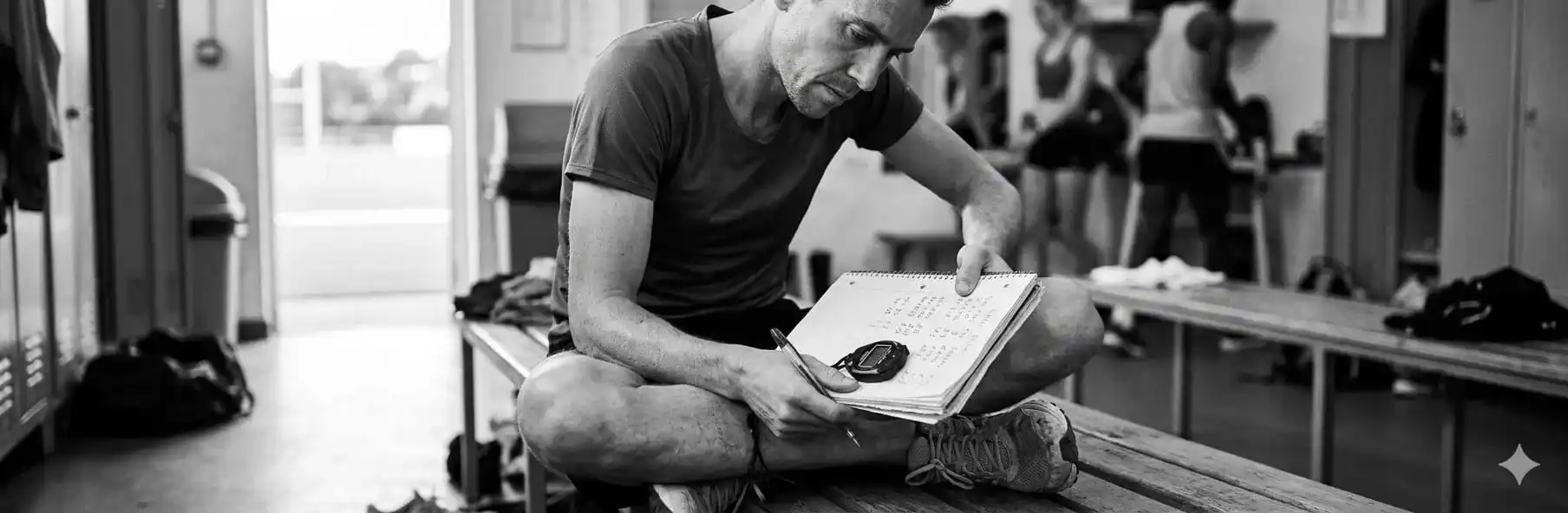
Learn how to define realistic and achievable sporting goals from your current performance data, whether your results are positive or leave room for improvement.

For years you've heard you have 30 minutes after training to eat protein. But what does science actually say? The anabolic window exists, but perhaps not the way you think.
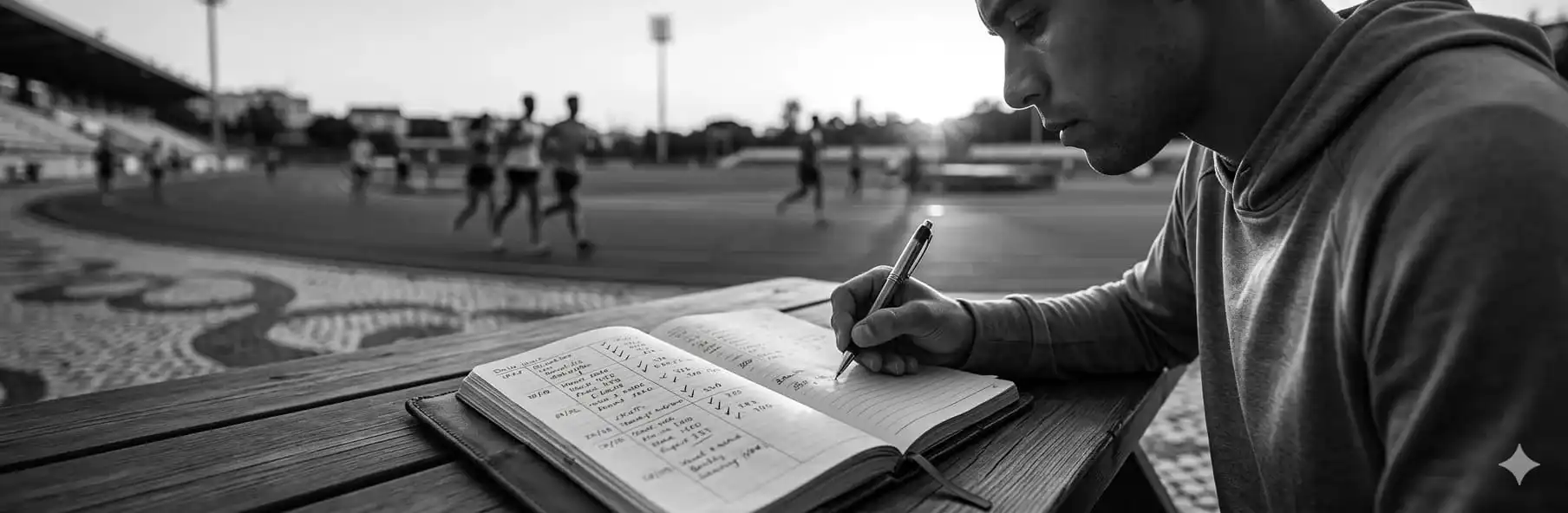
Discover how a daily training log can transform your motivation, strengthen your identity as an athlete, and become the most powerful habit in your sporting journey.

Goals get the glory, but assists win games. Discover why the player who creates scoring opportunities is just as valuable as the one who finishes. Learn how to recognise that contribution in team sports.

Big data is no longer exclusive to professional clubs. Discover how amateur athletes and coaches can use data to transform their sports performance.

Your caloric needs depend on your type of training, intensity, and goals. Learn how to calculate what your body really needs. for endurance, hypertrophy, strength, or speed.
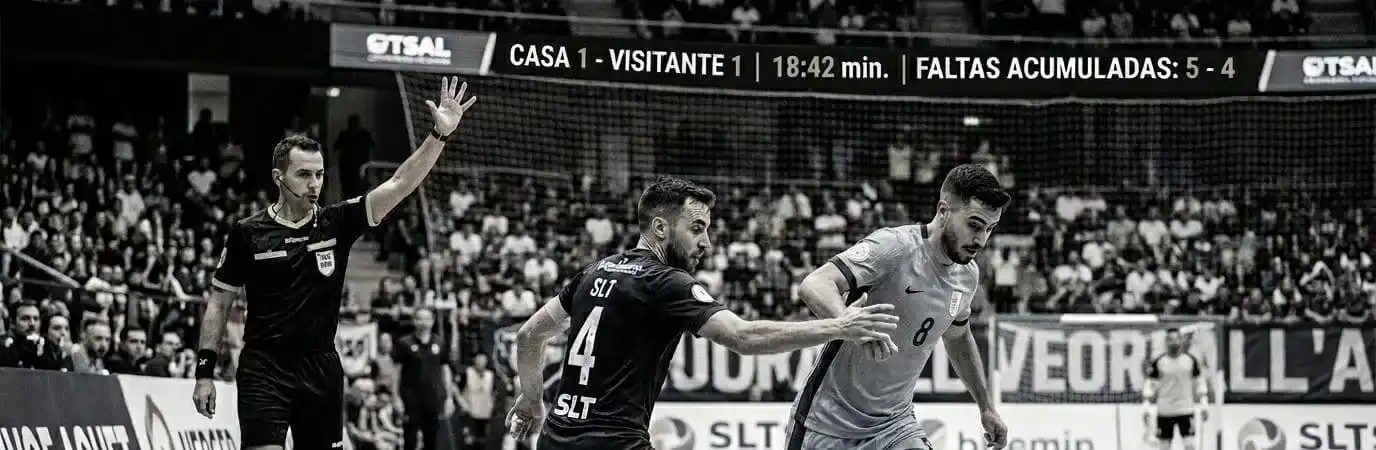
Learn how accumulated fouls in futsal shape defensive and offensive strategy, and why managing this indicator in real time can be the difference between winning and losing.
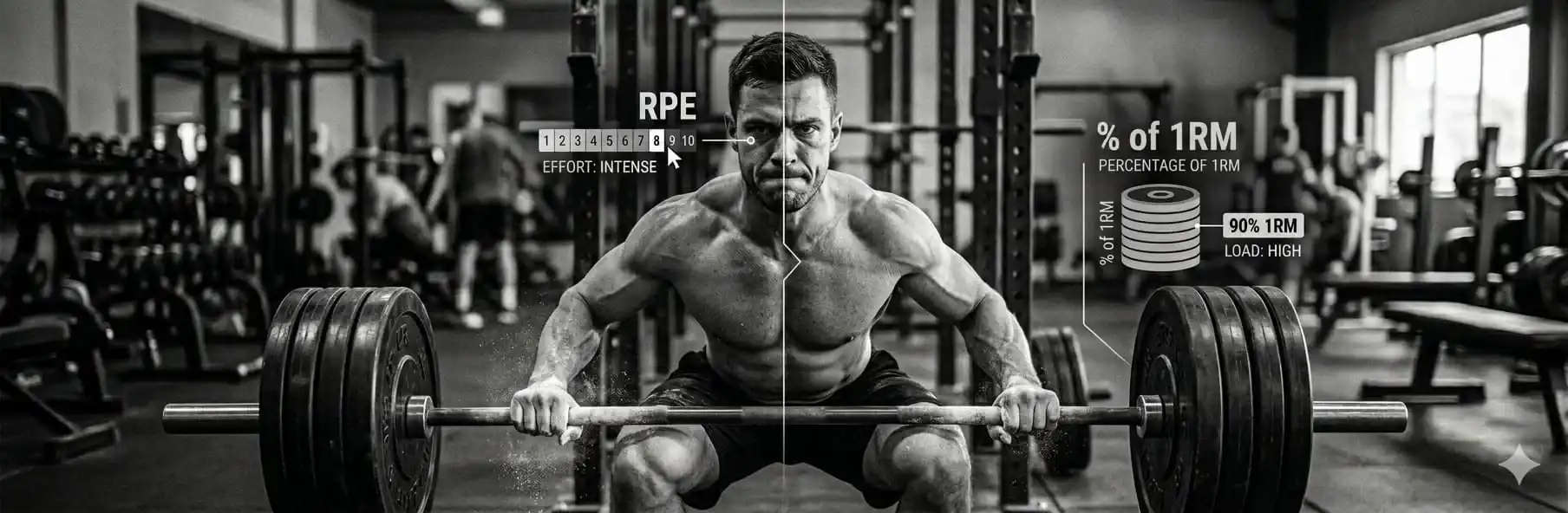
RPE and percentage of 1RM are the two main ways to prescribe intensity in strength training. Understand the technical differences and find out which suits your level and goals best.
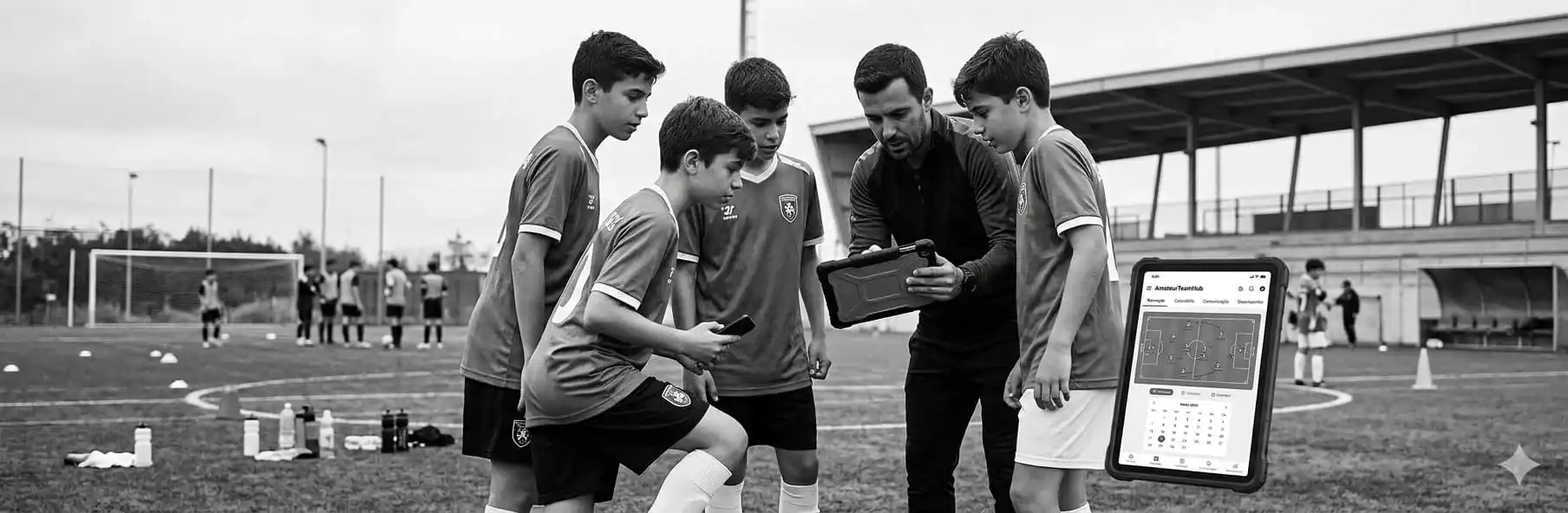
Managing an amateur team is more than training. it is communicating, recording, and showing progress. Discover how digital records can transform the relationship between coaches, athletes, and parents.
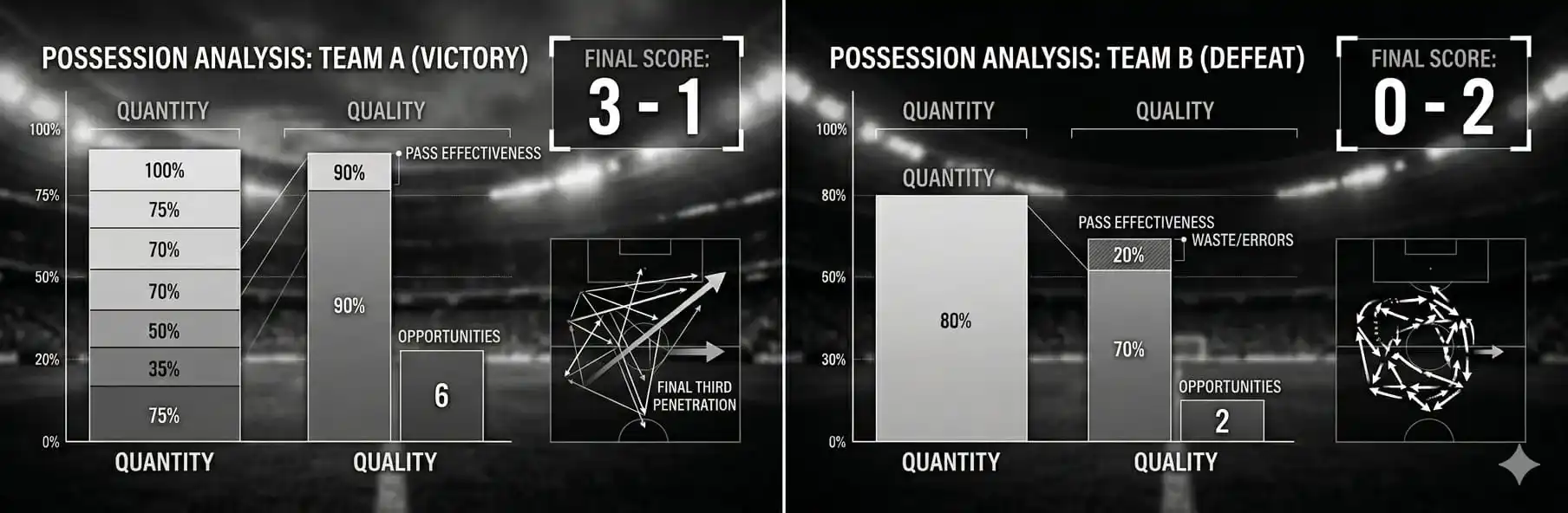
Having the ball for a long time does not mean playing well. and it depends on your team's objective. Discover the difference between quantitative and qualitative possession, and how to analyse each.
Discover how data analysis and training metrics can transform your sports performance and take your success in sport to the next level.
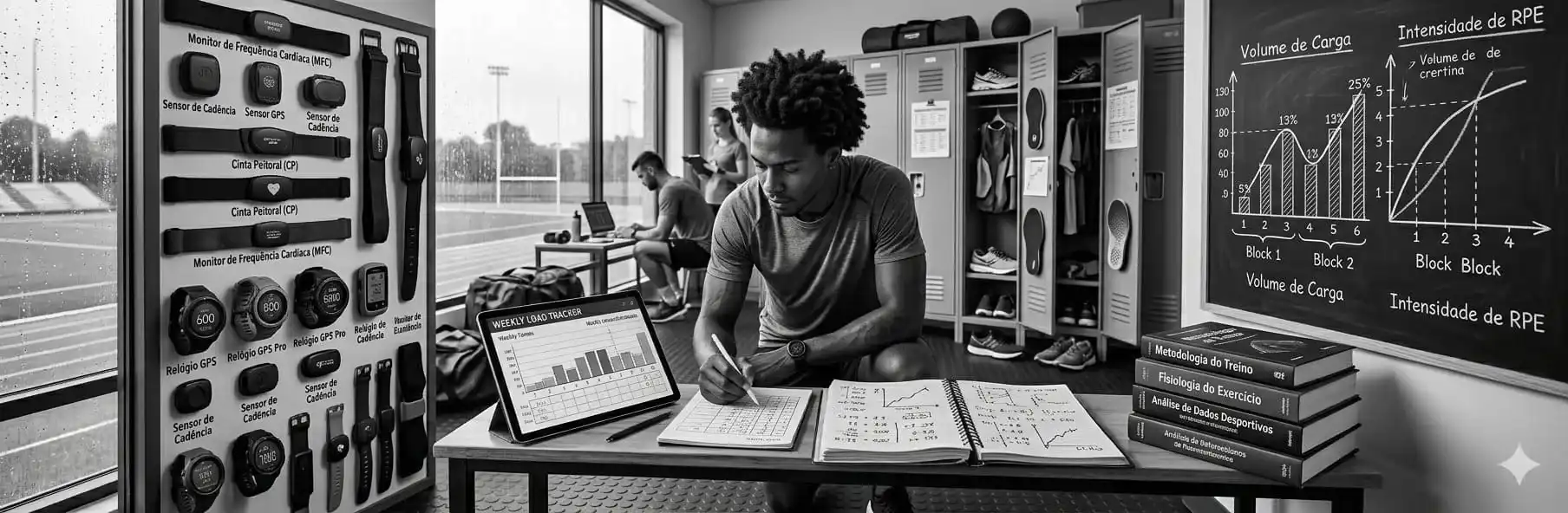
Volume and intensity are distinct concepts, and confusing them is one of the most common mistakes in training planning. Find out what your data reveals about the right balance.

Discover how systematic analysis of training data can predict and prevent sports injuries before they happen. and what I learned when I ignored the warning signs.

Discover the free SportsLabTools available on our platform. Stopwatches, scoreboards and much more.
No articles found.